Why Home Health Is One of the Most Resilient Career Paths Today – Top Entrepreneurs Podcast


For some time now, the job market has not been a stable one. People have been laid off from the tech industry, retail has been contracting, and white-collar roles have been automated out of existence. All these factors have caused people to search for jobs that are here to stay. Home health is one of those jobs.
two women sitting on a couch talking to each other
Source: Unsplash+

The Demographic Reality Isn’t Going Anywhere

The Baby Boomer generation is transitioning through retirement age in extraordinary numbers, and the vast majority of them want to remain in their own homes. That inclination, aging in place, isn’t a craze. It’s an earnestly held preference that decides how billions of dollars get spent in healthcare every year.

The outcome is structural demand, not cyclical demand. Employment of home health and personal care aides is projected to grow 22% from 2022 to 2032, representing roughly 684,600 job openings per year (Bureau of Labor Statistics). That kind of growth isn’t visible in many industries. It definitely isn’t visible over and over again.

At the point when a population ages, it doesn’t get any younger. That’s the whole concept. The people who join home health now are entering a workforce that will be occupied for decades.

Geographic Flexibility as a Career Asset

One aspect that is often neglected to talk about is how easy it is to move with this profession. A nurse or caregiver licensed and experienced in one part of the country doesn’t have to worry about finding work if they are forced to relocate to help ailing relatives in another state. Those skills transfer. The demand, chances are, will be just as strong on the other side.

Where you live makes a big difference for all these reasons. In states with more retirees, the shortages are particularly pronounced. Someone looking to become a home health aide in Pennsylvania, for example, is entering a market where the aging Northeast population has created immediate, sustained demand. That same credential opens doors in Florida, Arizona, the Midwest, wherever someone ends up.

For people who move often, have partners with mobile careers, or just want options, that geographic portability is a real advantage over industry-specific work that concentrates in certain cities or regions.

Automation Can’t Do This Job

A significant amount of advice focuses on managing anxiety. However, saying that home health jobs are safe from automation is not meant to calm fears; it is a real statement about the nature of the job.

Assisting someone with the fundamental activities of daily life, bathing, dressing, eating, or navigating their home, requires physical proximity, fine motor skills, and immediate decision-making. You must also assess how a person is feeling, adapt your communication, and develop the trust necessary for that person to feel secure in a moment of vulnerability.

Empathy isn’t a nice-to-have in this context; it is the hard skill. It is the software. No existing or emerging technology can do all of that. The kind of work most threatened by automation is cognitive, routine, and screen-based. Home health is none of those things.

Low Barrier to Entry, Clear Path Forward

One of the more underappreciated things about making home health a career is how easy it is to get into. No four-year degree required. Most positions require a certification program that lasts weeks not years, costs a tiny fraction of what a traditional healthcare education will.

That matters if you’re thinking about changing careers later in life, if you’re already stuck with student debt from a previous degree, or if you just need a job more quickly than that. And that low entry point isn’t the ceiling, home health work is real clinical experience. Tons of people use it as a building block to CNA certification, then LPN, then RN.

More steps up the ladder, more credentials, more earning potential. The floor is right there; the ladder’s for real. And guess what: For people working under a prescribed in-home care plan, the work is clinical already. That’s not a companion; it’s coordinated care. And you’re already building that experience to bank when you’re ready for nursing school or whatever’s next.

Recession Resilience in Practice

Discretionary spending collapses in a recession. People stop buying new cars, cut subscriptions, delay renovations. They don’t stop needing healthcare.

An older adult who requires help with daily tasks doesn’t stop requiring that help because the market is down. That makes home care fundamentally different from most service industries. The demand is non-discretionary, it’s tied to human need, not consumer confidence.

The Real Case For Home Health

This is not a plan B career. It’s a field where demand is structural, automation isn’t a threat, the entry point is manageable, and the work genuinely matters to the people receiving it.

Careers built around human connection and physical care have always existed at the margins of what gets called “prestigious.” That perception is shifting as job security becomes harder to find. The people who recognized early that empathy is durable have a head start.


People also read this: The Local Impact of Foreign Direct Investment: Fostering Growth and Innovation


Source link

Leave a Reply

Subscribe to Our Newsletter

Get our latest articles delivered straight to your inbox. No spam, we promise.

Recent Reviews


Retirement is often viewed as the beginning of a new chapter, and for good reason – it is! For many people, that chapter includes finally having the freedom to travel. No more waiting for vacation days, long weekends, or squeezing trips into a busy work schedule. Yet, many retirees find themselves travelling less than they imagined.

How To Travel More After Retirement On A Fixed Income

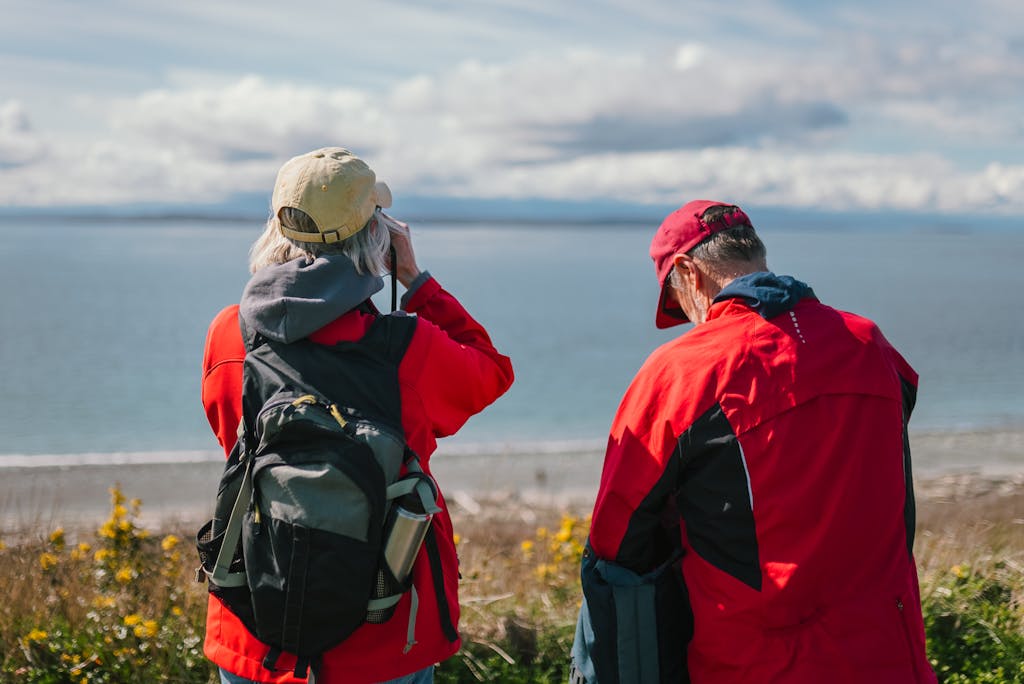
Elderly couple in red jackets enjoying seaside view, outdoors with backpacks and travelling more after retirement

If you’ve recently retired or retirement is on the horizon, you may be wondering how to make travel a bigger part of your life. As someone who loves exploring new destinations and discovering hidden gems, I’ve learned that travelling after retirement isn’t always about having a bigger budget, but to travel more. It’s about making travel a priority and finding ways to make it fit your lifestyle.

In this post, I cover some practical tips that have worked for me which hopefully will help you to travel more after retirement.

I love creating valuable content for you my readers, however, there is a cost to maintaining a website and there may be affiliate links scattered throughout the website. By clicking on the links there is no extra cost to you, however, I may receive a small profit.

Create A Retirement Travel Bucket List

One of the best things you can do is make a list of the places you’ve always wanted to visit. Maybe you’ve dreamed of seeing the Rocky Mountains, taking a Mediterranean cruise, exploring Canada’s east coast, or road-tripping through Ontario’s charming small towns.

Writing down your travel goals gives you something exciting to work toward and helps you prioritize your time and money. Your bucket list doesn’t have to be filled with expensive international destinations. Some of my favorite travel memories have come from discovering places close to home that I never knew existed.

A woman points at colorful hot air balloons over Cappadocia at sunrise.  Put this on your travel bucket list

Build Travel Into Your Budget

Travel doesn’t have to stop because you’re living on a fixed income. In fact, many retirees find they can travel more by creating a dedicated travel fund.

Consider setting aside a small amount each month specifically for future adventures. You might also look for ways to reduce everyday expenses and redirect those savings toward travel experiences.

Retirement travel is often more affordable because you have the flexibility to travel during off-peak seasons when flights, accommodations, and attractions are less expensive.

Take Advantage Of Flexible Travel Dates

One of the greatest advantages of retirement is flexibility.

Without work commitments, you can travel when prices are lower and destinations are less crowded. Travellng during shoulder seasons often means enjoying better weather, fewer tourists, and significant savings.

Instead of planning trips around holidays and school breaks, consider visiting destinations in spring or fall when accommodations and attractions are more affordable.

Consider More Road Trips

Road trips can be one of the most affordable and enjoyable ways to travel after retirement.

I personally love road-tripping because it allows me to travel at my own pace, stop whenever something catches my eye, and discover hidden gems along the way. You don’t need to book flights or follow a strict itinerary.

If you’re looking for weekend getaway or a week-long adventure, road trips can help you see more while spending less.

Travel Slower And Stay Longer

When we were working, many of us tried to cram as much as possible into a short vacation.

Retirement allows you to slow down.

Instead of rushing through multiple destinations, consider spending more time in one place. Staying longer often leads to lower accommodation costs, deeper cultural experiences, and less travel-related stress.

Some retirees even choose to spend a month or more in a destination, allowing them to live like a local rather than a tourist.

Look For Senior Discounts To Travel More After Retirement

Many travel providers offer discounts specifically for seniors.

Some of these discounts can include:

  • hotels
  • museums and attrations
  • public transportation
  • guided tours
  • national parks
  • car rentals

Before booking anything, it’s always worth asking whether a senior rate is available. Small savings can add up significantly over the course of a trip.

🌟 Join Our Facebook Community! 🌟

I’d love to invite you to join my Facebook group Just One Boomer Travels! It’s a warm, supportive space where travellers over 50 can share experiences, ask questions, and cheer each other on. Come be part of a community that understands your travel style and celebrates your adventures.

Join Travel Groups Or Tours

Solo travel can be incredibly rewarding, but some retirees prefer travelling with others who share similar interests.

Goup travel has become popular travel trend amoung seniors. Many travel companies offer tours designed specifically for mature travellers. These tours can provide peace of mind, social opportunities, and expert planning.

You may also find local travel clubs that organize group trips, day excursions, and social events.

group travel and trous has become a popular way to travel amoung seniors

Prioritize Experiences Over Luxury

One lesson I’ve learned over the years is that meaningful travel experiences often matter more than luxury accommodations.

Some of my favorite memories involve scenic drives, local restaurants, hidden beaches, hiking trails, and conversations with fellow travellers.

Choosing simpler accommodations or cooking a few meals yourself can free up more of your budget for experiences that create lasting memories.

Stay Healthy And Travel Ready

Travelling more after retirement becomes easier when you prioritize your health.

Regular exercise, routine medical checkups, and maintaining an active lifestyle can help ensure you’re ready for new adventures whenever opportunities arise. It’s also important not to neglect our health when away so that we stay healthy and fit while we’re away.

It’s also wise to purchase travel insurance, especially for longer trips or international travel.

stay fit and eat healthy so you can travel more after retirement

Remember That Travel Doesn’t Have To Be Far Away

One of the biggest misconceptions about travel is that it always requires a plane ticket.

Some of the most rewarding adventures can be found just a few hours from home. Exploring nearby towns, visiting provincial parks, discovering local festivals, and taking weekend road trips can satisfy your sense of adventure while keeping costs manageable.

Travel is about experiences, not distance.

Contact Kelly, a Licensed Travel Agent, to book your next dream vacation

How To Travel More After Retirement: In Conclusion

Retirement offers something many of us have wanted for years: time. While budgets and responsibilities still exist, retirement provides the flexibility to explore more, travel differently, and create unforgettable memories.

Whether your dream is to cruise through Europe, visit every province in Canada, or simply take more weekend road trips, the key is to start planning and make travel a priority.

You don’t need unlimited money or elaborate itineraries to travel more after retirement. Sometimes all it takes is curiosity, flexibility, and a willingness to say yes to the next adventure.

After all, retirement isn’t the end of the journey. It’s the beginning of a whole new one.

Travel Solo Like a Pro!

AIRFARE:

♥  CheapOair and WayAway offer flights at a resonable rate. Let CheapOair or WayAway find the cheapest and best flight for your destination

HOTELS & ACCOMMODATION:

♥  I use Booking.com to book all of my accommodations, both domestically and internationally. When booking in the United States, I use Trivago US

ACTIVITIES:

♥  Get Your Guide and Viator are the absolute best sites to plan and book any adventures, activities, and all things fun

BIKE AND MOTORCYCLE RENTALS:

♥  BikesBooking.com will find the best prices for bicycles, motocyles, and scooter rentals any place in the world.

CAR RENTAL:

♥  Economy Bookings will provide rental prices worldwide, which making it a one stop shop for the most reasonable car rentals

AIRPORT TRANSFER AND PRIVATE TOURS:

♥  Kiwitaxi is who you want to contact for transportation from the airport or train station.  Why not arrange for a PRIVATE CITY TOUR with Kiwitaxi at the same time.

CRUISES:

♥  Cruise Critic not only provides reviews and answers questions, it also offers great cruise deals. If your a cruise lover (like me), I highly recommend that you check it out!

TRAVEL INSURANCE:

♥  Travel insurance these times of natural disasters, travel interruption and baggage loss is no longer a place where you can cut costs. essentials.  It has become an essential part of travel. Visitors Coverage will take care of all of your insurance needs.

SAVE TO TRAVEL MORE AFTER RETIREMENT


Source link