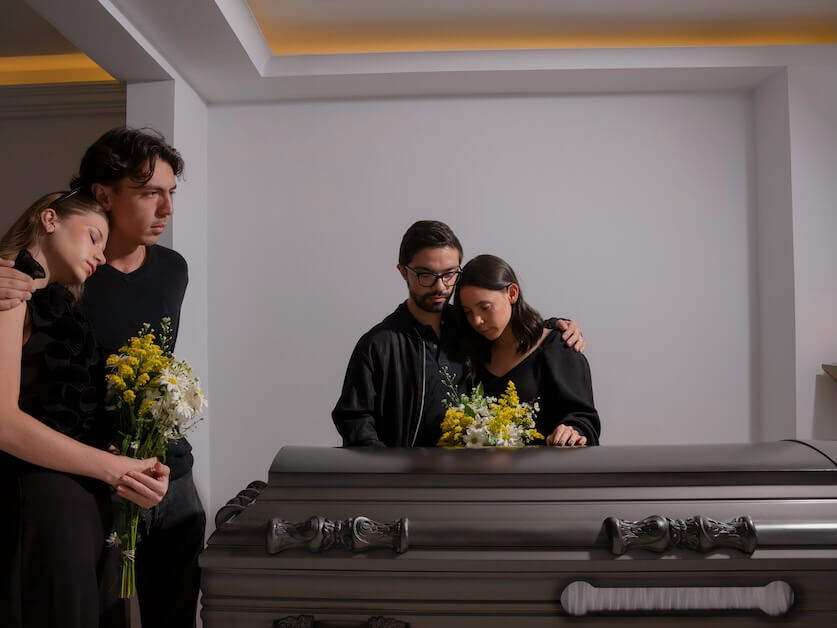
Choosing a funeral home is one of those decisions most families make under pressure. It often happens in the middle of grief, administrative urgency, and conversations no one feels fully ready to have. In that context, the right provider should do more than manage logistics. They should offer clarity, compassion, and a sense of steadiness at a time when families are already carrying a lot.
That’s why many people start by looking for funeral directors in Sydney who can guide them with professionalism and care. The practical arrangements matter, of course, but so does the way those arrangements are handled. Families need support that feels calm, respectful, and genuinely human, not rushed, transactional, or overly complicated.
A trusted funeral director helps make a difficult process more manageable. They explain what needs to happen, help families understand their options, and create space for a farewell that feels appropriate to the person being remembered. When emotions are high and timeframes are tight, that kind of support can make a real difference.
Look for Calm, Clear Communication
One of the first things families notice is how a funeral home communicates.
At a difficult time, people don’t need vague explanations or confusing terminology. They need straightforward guidance about what happens next, what decisions need to be made, what the likely timeframes are, and what support is available. Good communication should reduce stress, not add to it.
A trusted funeral director should be able to explain the process in plain language. That includes practical matters such as transfer arrangements, service options, documentation, burial or cremation choices, and any key deadlines. Families shouldn’t feel left guessing or pressured into fast decisions without enough context.
Compassion Should Be Obvious, Not Performative
Professionalism is essential, but compassion is what makes funeral care feel supportive rather than procedural.
Families are often dealing with shock, sadness, fatigue, and differing opinions within the same household. A good funeral director understands that people may need time, reassurance, and patience. They listen carefully, respond respectfully, and avoid making the family feel like they are being moved through a standard process.
Real care often shows up in small moments. It’s in the tone of voice, the willingness to answer questions more than once, and the way staff create space for families to make considered decisions. These details matter because people may not remember every administrative step later, but they will remember how they were treated.
The Service Should Reflect the Person, Not a Template
Every family is different, and every farewell should have room to reflect that.
Some people want a traditional service with formal structure and religious elements. Others want something simpler, more modern, or more private. Some families prefer a quiet gathering. Others want a larger service that brings a wider community together. The right funeral home should be able to support that range without making the process feel rigid.
A trusted provider will help shape a service around the wishes of the family and the life of the person being remembered. That may involve music, readings, visual tributes, venue choices, cultural traditions, or a particular tone that feels more personal and fitting. The goal isn’t to make the service elaborate. It’s to make it meaningful.
Transparency Around Costs Matters
Funeral costs are a real concern for many families, and clear pricing should be part of good service.
A funeral home should be willing to explain what’s included, what options are available, and where costs may vary depending on the choices made. Families should never feel uncertain about what they are paying for or worried that they are being upsold during a vulnerable moment.
Transparency helps people make informed decisions that fit both their preferences and their circumstances. A caring provider understands that meaningful services can take many forms and that respect shouldn’t depend on the budget.
Guidance Is Especially Important for Families Who Haven’t Done This Before
For many people, arranging a funeral is unfamiliar territory.
There may be uncertainty around paperwork, registration, notices, transport, celebrants, venues, flowers, or the order of service. When someone hasn’t been through the process before, even basic decisions can feel overwhelming. A good funeral director helps by guiding the family step by step and making the process feel more structured.
That support can also be valuable when families are trying to coordinate decisions across several relatives or balance practical needs with emotional strain. The right provider helps keep things clear and manageable without taking away the personal nature of the farewell.
Cultural and Religious Understanding Can Be Crucial
Sydney is home to families from many different cultural and faith backgrounds, and funeral care should reflect that diversity with respect.
For some families, there are important religious practices, ceremonial requirements, or time-sensitive customs that need to be observed. For others, cultural expectations may shape who leads the process, how the service is conducted, or what kind of farewell feels appropriate. A trusted funeral director should be able to respond to these needs thoughtfully.
Even where a funeral home doesn’t specialise in every tradition, they should show a willingness to listen carefully and work with the family to honour what matters. Sensitivity here isn’t a bonus. In many cases, it’s central to whether the service feels respectful.
Responsiveness Makes a Hard Time Easier
Funeral arrangements often need to move quickly, and poor responsiveness can make an already difficult time feel much harder.
Families should look for a funeral home that is organised, contactable, and steady from the first interaction. Questions should be answered promptly. Updates should be clear. People should know who to contact and what is happening next. That sense of reliability creates reassurance when everything else may feel unsettled.
Responsiveness also says something about the wider service standard. A provider who is attentive early is more likely to remain attentive throughout the process.
Trust the Feeling You Get From the Interaction
Practical capability matters, but so does instinct.
When speaking with a funeral home, families should pay attention to how the interaction feels. Are they being listened to properly? Are options being explained with care? Does the provider seem respectful of the family’s wishes, values, and pace? Do they make the process feel calmer or more stressful?
These impressions are important because funeral care is personal. Families need to feel that their loved one will be treated with dignity and that the service will be handled with genuine care. If something feels rushed, impersonal, or too sales-driven, it’s reasonable to keep looking.
Choosing Support That Helps, Not Just Services That Function
In the end, choosing a funeral home isn’t only about finding someone who can arrange the basics. It’s about finding someone who can support the family through one of life’s hardest moments with clarity, compassion, and professionalism.
Trusted funeral directors in Sydney should make the process feel less overwhelming, not more. They should offer guidance without pressure, structure without coldness, and care that feels sincere from the first conversation to the day of the service.
That kind of support can’t remove grief, but it can make the practical side of loss easier to carry. And in difficult times, that’s often exactly what families need most.
People also read this: What Do Serviced Offices in Australia Include Beyond Workspace?