Missing teeth rarely announce themselves as a medical problem at first. They show up as little workarounds, like chewing on one side, skipping crisp foods, or choosing photos where your smile stays closed. Over time, those workarounds can become habits that shape how you eat, speak, and even socialize. The mouth is a system, and a single gap can quietly change how the rest of that system behaves. People often realize the impact only after they have spent months adapting.
Function is where the trouble usually starts, even if aesthetics gets the attention. When a tooth is gone, nearby teeth can drift and tilt into the space, which can change bite contacts and trap food more easily. Chewing forces shift, and that can overload teeth that were not designed to take on extra work. Some patients notice jaw fatigue or tenderness because muscles are compensating for a bite that no longer balances. Speech can change too, particularly when front teeth are missing, because the tongue and lips rely on predictable surfaces to form certain sounds. The changes can be subtle, but they can also feel relentless.
Then there is the slow structural change that happens beneath the gumline. The jawbone depends on stimulation from tooth roots, and when that stimulation disappears, bone can remodel and shrink in the area. That process can alter facial support around the lips and cheeks and can make future restorations more complicated. It also explains why removable dentures may loosen over the years, even when they were made well initially. Tooth loss is not just a cosmetic gap; it is a shift in the foundation.
Dental Implants as a Mechanical Solution With Biological Benefits
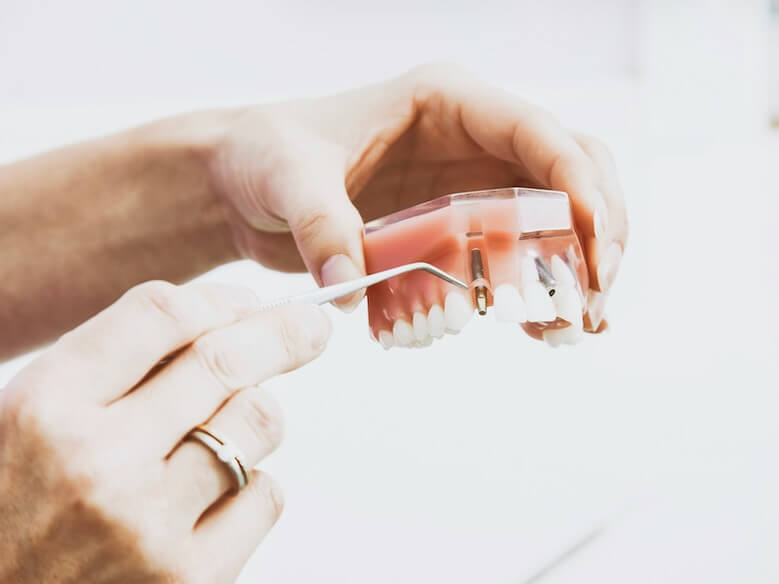
Dental implants are often described as artificial roots, but the concept is more precise than the metaphor suggests. An implant is typically a small titanium post placed in the jaw where a natural root used to be. The bone can integrate with the implant surface, creating a stable anchor for a crown, bridge, or denture attachment. The result is not merely a tooth-shaped replacement, but a load-bearing restoration that can handle real chewing forces. That mechanical stability is what many patients feel first when they return to a normal diet.
The biology is what keeps the result stable over time. When chewing forces travel through an implant into the jawbone, that bone continues to receive stimulation similar to what it received from a natural root. This can help preserve bone volume compared with leaving the space empty or relying only on gum-supported dentures. It also tends to support a more consistent bite because teeth are not drifting into a gap. For patients who have lived with missing teeth for years, this can be the difference between maintaining the current condition and steadily losing ground. Implants do not stop time, but they can slow the structural cascade that tooth loss can trigger.
Still, implants are not a casual purchase, and they are not a single product. The best outcomes depend on diagnosis, planning, surgical technique, restorative design, and hygiene maintenance after the fact. Some patients need bone grafting to rebuild volume before an implant can be placed safely. Others may need bite adjustments or a night guard if grinding is part of the picture. The restoration on top matters as much as the implant itself because that crown or denture determines how forces are distributed. In short, the technology is powerful, but the process remains clinical and individual.
Implant Dentures and the Shift From Managing to Living
Traditional dentures can work, but many patients describe them as something they manage rather than something they forget about. Lower dentures in particular can be difficult because suction is limited and the tongue and cheeks constantly challenge the seal. Adhesives can help, yet they often feel like a daily negotiation, especially during meals, meetings, or conversations where confidence matters. As the jawbone changes shape over time, the denture base can fit less precisely, leading to rocking, sore spots, and frequent adjustments. Even well-made dentures may move at the wrong moment, turning eating into caution and turning laughter into self-monitoring.
Implant-supported dentures change that daily calculation by adding anchors that resist movement and improve chewing efficiency. Rather than relying only on gum tissue, the denture connects to implants using attachments designed to stabilize the prosthesis under real bite forces. Some designs remain removable and “snap” into place, while others are fixed and removed only by the dental team, which affects hygiene routines and the sense of permanence. Patients often report that foods they avoided for years become realistic again because the denture no longer shifts when pressure increases. Speech can feel more natural, too, because the tongue is not compensating for a moving base.
In a city like San Francisco, where patients often weigh clinical credentials as closely as treatment options, it pays to start with plain-language explanations of how tooth replacement affects chewing, speech, facial support, and long-term jawbone health. That context matters most when the decision falls between fixed restorations and removable solutions. With a prosthetics-first lens, some patients begin with a specialized practice like Dental Implant Partners to compare dental implants with implant-supported dentures and understand the trade-offs. The choice often turns on stability under bite pressure, day-to-day cleanability, and how permanent the result needs to feel. Reviewing both options side by side can clarify whether a few implants, a removable implant denture, or a full-arch approach best fits daily function.
The Evaluation Phase: Who Is a Candidate and Why That Matters
The implant conversation should begin with a careful evaluation, not a sales pitch. Clinicians look at gum health, remaining teeth, bite dynamics, and any signs of infection or inflammation. If periodontal disease is active, it typically needs to be stabilized first because implants depend on healthy tissue to stay stable long term. Imaging, often with 3D scans, helps map bone volume and avoid vital structures like nerves and sinus spaces. This planning step can feel slow, but it is the part that prevents surprises later. The goal is predictability, not speed.
Bone is the first gating factor for many patients. If a tooth has been missing for years, the area may have lost volume, which can make implant placement more challenging. Bone grafting can rebuild the site, but it can also extend the timeline. Some grafting procedures are modest and done at the same time as extraction, while others are staged and require healing before implants are placed. The clinician’s job is to balance safety with efficiency, and the patient’s job is to understand the tradeoffs. In many cases, the best long-term outcome requires patience upfront.
General health matters too, and it should be discussed honestly. Diabetes control, smoking, certain medications, and immune conditions can influence healing and complication risk. None of these automatically rule out treatment, but they can change the strategy and the follow-up schedule. A patient who grinds teeth may need protective measures to reduce stress on the restoration. A patient with dry mouth may need additional preventive care to protect remaining teeth and tissues. Candidacy is not a single checkbox, it is a profile that shapes the plan.
What the Process Looks Like in Real Life
Implant treatment is usually a sequence, not a single event. The surgical phase involves placing the implant into bone, typically under local anesthesia and sometimes with sedation. Many patients are surprised by how manageable recovery can be, especially when compared with a difficult extraction. Swelling and soreness are common for a few days, and a soft diet is often recommended while tissues settle. Clinicians typically provide guidance on cleaning and medications to support healing. The early days are about protecting the site and keeping inflammation down.
After surgery comes the integration period, when bone bonds to the implant. This stage is less dramatic, but it is essential because it determines stability. Depending on bone quality and clinical protocol, integration may take weeks or several months. Some patients can receive a temporary tooth or provisional denture during this time, while others are advised to avoid loading the implant early. The decision depends on how stable the implant is at placement and where it sits in the mouth. A front tooth may require a different strategy than a molar because aesthetics and forces differ.
The restorative phase is where the implant becomes a tooth. Abutments connect the implant to the crown or to denture attachments, and the final restoration is designed to match bite and appearance. For implant dentures, this phase includes calibrating retention so the denture feels secure but still serviceable. Small bite adjustments can matter because uneven forces can create long-term stress. Patients should expect follow-up visits for fine-tuning, particularly in the first months after delivery. A well-executed finish should feel stable, cleanable, and natural in speech.
Risks, Complications, and the Maintenance That Protects Results
Implants have strong track records, but patients should treat them as medical devices with maintenance needs. Early complications can include infection, discomfort, or delayed integration of the implant with bone. These risks are influenced by surgical technique, general health, and how carefully the patient follows post-operative instructions. Later complications often involve inflammation around implants, sometimes called peri-implant disease, which can mirror gum disease in its progression. If inflammation persists, it can threaten bone support around the implant. The good news is that early detection and intervention can often stabilize the situation.
Maintenance is straightforward but not optional. Patients need consistent brushing and interdental cleaning, and many benefit from tools like water flossers or small interdental brushes. Professional cleanings should be scheduled on a regular cadence so clinicians can measure tissue health and check for early changes. Implant dentures require extra attention around attachments because plaque can gather in hard-to-see areas. Components can wear with use, and attachments may need replacement periodically to maintain retention. That is not a failure, it is routine service.
Lifestyle habits influence longevity more than most people expect. Smoking is associated with higher complication risks, including poor healing and increased inflammation, so quitting can meaningfully improve outcomes. Night grinding can overload restorations, making a night guard a practical protective tool rather than a cosmetic accessory. Diet choices matter as well, not because implants are fragile, but because overall oral health is tied to the environment in the mouth. The most durable outcomes often come from boring routines: consistent hygiene, regular checkups, and quick response to small issues.
Choosing Among Implants, Bridges, and Conventional Dentures
The decision is rarely “implants versus everything else” in a vacuum. Bridges can be appropriate when adjacent teeth already need crowns or when surgery is not desirable for medical reasons. They provide fixed teeth without implant placement, but they usually require reshaping neighboring teeth, which some patients prefer to avoid. Conventional dentures can be cost-effective and non-surgical, and they can restore appearance quickly. Yet many patients struggle with stability, especially on the lower arch, and the fit can change as bone remodels. Each option has a logic, and each has tradeoffs.
Implants tend to stand out when long-term stability and function are priorities. A single implant can replace one tooth without leaning on neighboring teeth, which preserves natural tooth structure. Multiple implants can support bridges that restore chewing efficiency and a more consistent bite. Implant dentures can offer a middle path for patients who want stability but also want a removable option for cleaning. The best choice often comes down to anatomy, budget, and how much the patient values permanence. It is also shaped by the patient’s willingness to maintain the restoration for years.
Cost deserves a direct conversation, because vague promises erode trust. Implants can be a higher upfront investment, especially if grafting or extractions are needed. But the long-term economics can look different when reduced relines, fewer repairs, and improved function are considered. Patients also measure value in less tangible ways, like confidence in public, comfort at restaurants, and the ability to eat a varied diet. A thoughtful plan aligns the clinical reality with the life the patient wants to live. The best dentistry feels less like a purchase and more like a return to normal.
A Stronger Smile Is Often a Systems Decision, Not a Single Fix
Patients often arrive thinking they are choosing a product, when they are really choosing a strategy. Dental implants and implant dentures can rebuild function, but success is built through diagnosis, planning, and follow-through. The mouth changes over time, and restorations need to be designed with that reality in mind. A good plan considers how the bite will age, how hygiene will be maintained, and how components can be serviced. It also considers what the patient is realistically willing to do day to day.
The strongest outcomes come from aligning expectations early. Patients who understand the timeline are less anxious when healing takes time. Patients who understand maintenance are less surprised when attachments wear or when professional cleanings feel essential rather than optional. Patients who understand risks can reduce them by taking concrete steps, like quitting smoking or wearing a night guard. Clear expectations make the process feel less mysterious and more manageable. That is often the difference between satisfaction and regret.
For many people, the most meaningful benefit is not cosmetic, even if the smile is the headline. It is the ability to eat without negotiation, speak without worrying about movement, and laugh without self-conscious calculations. That kind of confidence rarely arrives in a single appointment, but it can be built through a well-executed implant plan. When missing teeth stop dictating daily behavior, patients often describe the result as a return, not an upgrade. In dentistry, that might be the most persuasive outcome of all.
People also read this: The Bookkeeping Mistakes That Quietly Hurt Small Businesses