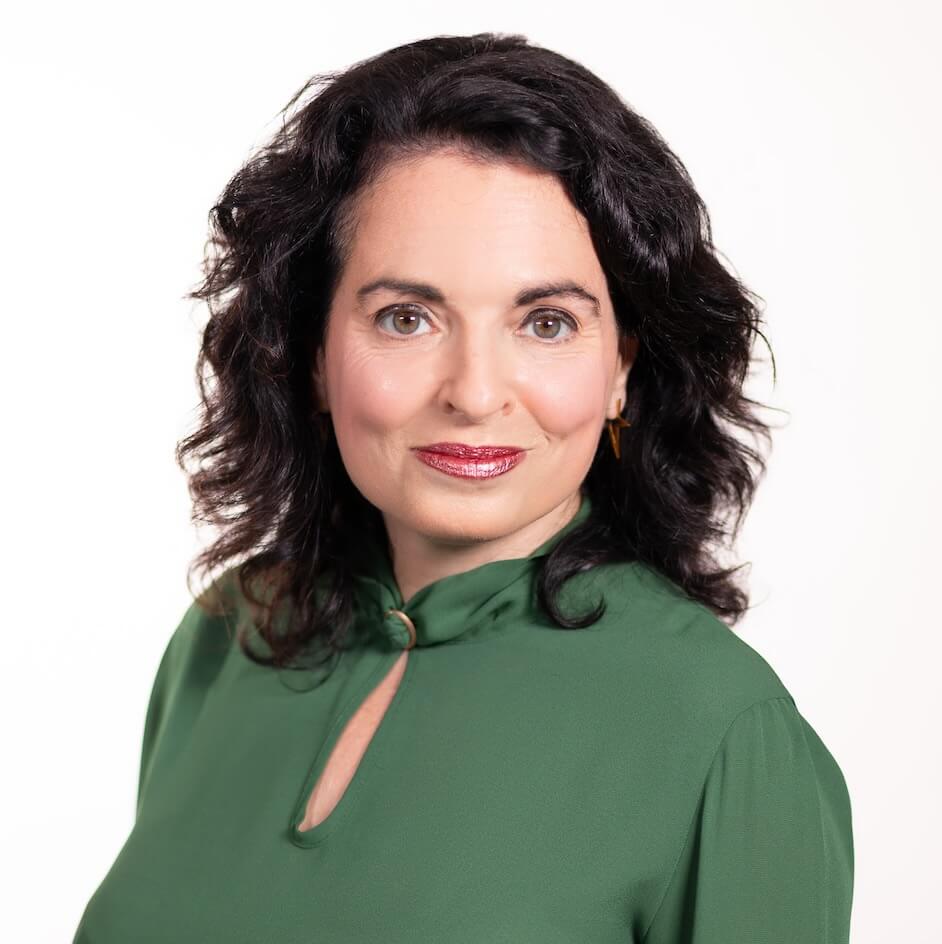
Melissa Swift, the Founder and CEO of Anthrome Insight, and a practicing consultant and keynote speaker joins Enterprise Radio. She is also the author of Work Here Now: Think Like a Human and Build a Powerhouse Workplace.
This episode of Enterprise Radio is in association with the Author Channel.
Listen to interview with host Eric Dye & guest Melissa Swift discuss the following:
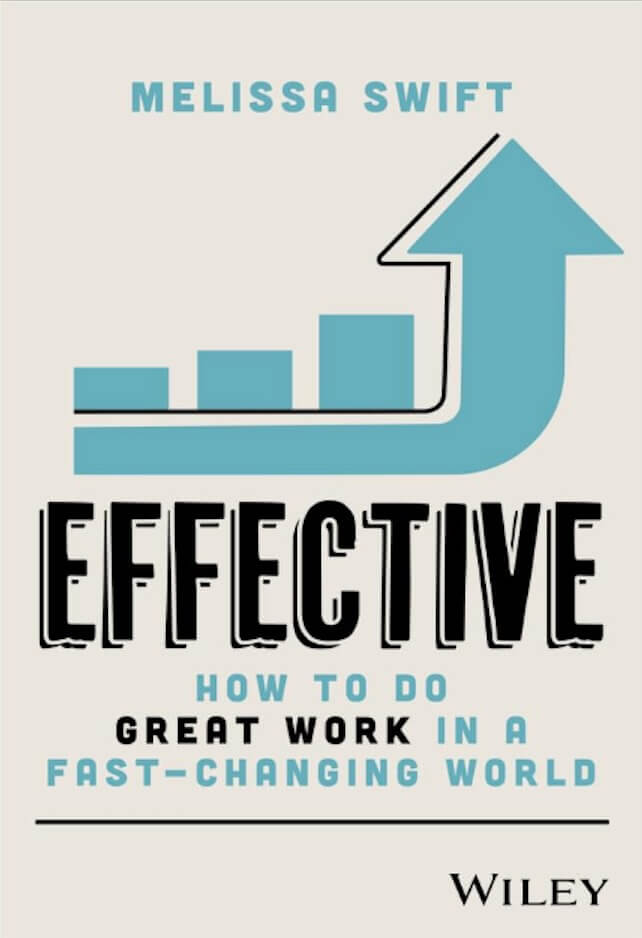
- Tell us why you wrote, EFFECTIVE?
- EFFECTIVE is your second book. Do you need to read WORK HERE NOW first, or is EFFECTIVE independent?
- What is Effectiveness Architecture? How can individuals identify their areas of strength in this framework?
- You’ve identified four capabilities within the Effectiveness Architecture—knowledge, methods, people ability, and technology ability. Is anyone’s capability more important than another’s? What if you feel confident in the first three, but not technology? How can you still be effective?
- How does the Effectiveness Architecture differ when it comes to an office job versus a high-stakes job, such as a pilot, firefighter, or emergency medic?
- Now that we understand the framework of Effective Architecture, how do we use it to tackle the four current trends that are determined to make us less effective? Let’s go one by one: 1. What is Work Intensification, and what can we do? 2. Emotional Inflection can be challenging to work near. What are some strategies? 3. Transparency used to be a positive thing. But hyper-transparency can be overwhelming. Any tips? 4. The world and the workplace are in sheer chaos. How do we prepare for this?
Melissa Swift is a leading voice on how organizations, teams, and individuals can succeed in an ever-more challenging world of work. As founder and CEO of Anthrome Insight, she is a practicing consultant and keynote speaker. She has held consulting leadership roles at Capgemini, Mercer, Korn Ferry, and Deloitte. She is also the author of Work Here Now: Think Like a Human and Build a Powerhouse Workplace (Wiley, 2023).
Her quarterly columns in MIT Sloan Management Review often rank among their most-read articles. Swift speaks regularly at events including the MIT CIO Symposium, and has been quoted on the subject in The New York Times, The Wall Street Journal, NPR, Newsweek, The Economist, The Washington Post, Axios, and more.
Throughout her career, Swift has pioneered techniques to reshape organizations for digital and workforce transformation, leading breakthrough projects across industries ranging from manufacturing to professional services to biotech to consumer goods. She earned her B.A. from Harvard University and her MBA from Columbia Business School.
Website: https://www.anthromeinsight.com
Book(s): https://www.anthromeinsight.com/books
Social Media Links::
X: https://x.com/meswift
Instagram: https://www.instagram.com/meswift1
Linkedin: https://www.linkedin.com/in/swiftmelissa
People also listened to this: A Needed Break for Managers Getting through the Daily Grind: Coffee Darshan
Podcast: Play in new window | Download (Duration: 17:32 — 16.1MB) | Embed
Subscribe: Apple Podcasts | Spotify | iHeartRadio | TuneIn | | More