The Local Impact of Foreign Direct Investment: Fostering Growth and Innovation – Top Entrepreneurs Podcast


Table of Contents

  • Economic Growth and Job Creation
  • Technology Transfer and Innovation
  • Infrastructure Development
  • Challenges and Considerations
  • Case Studies of FDI Impact
  • Policy Recommendations
  • Conclusion

Foreign direct investment (FDI) is a key driver in advancing local economies by channeling capital, generating jobs, and fueling innovation. Communities seeking to unlock the full potential of FDI must understand its far-reaching impacts as well as regulatory requirements for global investors, such as EB-5 Requirements. When managed strategically, FDI can transform industries, propel development, and create long-term value for residents and businesses alike.

FDI is more than just an injection of money. Connecting local markets to international expertise and supply chains, it provides opportunities for economic diversification, knowledge transfer, and infrastructure development. Meticulous planning and sound policy, including transparent investment frameworks and community protections, are essential to maximize these benefits.

Economic Growth and Job Creation

One of the most visible influences of FDI is the contribution to economic expansion and employment. In 2022, foreign investment in the United States exceeded $177 billion. A substantial portion of this capital was directed to manufacturing, a sector that subsequently experienced robust job growth and supply chain stimulation. These new jobs drive down unemployment, raise living standards, and foster a climate of economic optimism. Seen globally, the impact of FDI is similarly profound, as international enterprises set up operations from major metropolises to smaller, emerging regions.

Local suppliers also gain from the presence of foreign firms. By integrating with global value chains, domestic companies can expand markets, adopt best practices, and raise their own productivity. According to the U.S. Bureau of Economic Analysis, regions with significant FDI often exhibit greater gross domestic product (GDP) growth and technological advancement compared to regions without a strong foreign presence. You can read more about these findings on reputable sources such as Forbes.

Technology Transfer and Innovation

FDI is a dynamic conduit for transferring technology and fostering local innovation. Multinational enterprises tend to introduce advanced production methods, management expertise, and modern equipment in the countries and communities where they invest. This accelerates the pace of industrial modernization and supports the development of entirely new sectors, including high-growth areas such as information technology, clean energy, and biotechnology.

The presence of foreign firms also pulls local companies into global innovation networks, compelling them to adopt international standards and compete more effectively. Training programs, educational collaborations, and research and development (R&D) partnerships become more common, seeding new ideas and boosting the skills of the regional workforce.

Infrastructure Development

Many communities benefit when FDI developments lead to improved infrastructure. New investments can support the construction and enhancement of critical assets such as roads, ports, energy grids, and digital networks. Improved infrastructure not only eases business operations but also elevates the overall quality of life for residents by providing safer transportation, more reliable utilities, and enhanced access to markets.

Infrastructure development creates a reinforcing cycle in which improved logistics and connectivity attract even more investment. In turn, the continued expansion of transportation, technology, and public services supports economic activity and long-term, inclusive prosperity.
modern bank towers in frankfurt at late afternoon captured in wide angle
Source: Unsplash+

Challenges and Considerations

Despite its numerous advantages, FDI also presents certain risks and challenges. Economic reliance on foreign capital can expose local markets to global financial shocks, causing instability if investors rapidly withdraw funds or shift operations. In some contexts, unchecked FDI may contribute to environmental degradation or the displacement of vulnerable communities.

Governments and local stakeholders play a vital role in addressing these challenges. Policies should safeguard the environment, uphold labor rights, and ensure that foreign investment aligns with the community’s development priorities. Transparent oversight, environmental impact assessments, and strong regulatory enforcement are essential protections.

Case Studies of FDI Impact

California is a prominent example of successful FDI-driven development. Foreign-owned businesses grew by 4 percent in recent years, totaling nearly 20,000 companies and supporting more than 847,000 jobs statewide. The state’s technology sectors, including artificial intelligence, aerospace, and life sciences, have flourished because of sustained investment from abroad.

Brazil’s experience with FDI also highlights the potential for economic diversification and technological progress. Recently, Brazil became the third-largest destination for Chinese investment projects, spanning vital areas such as renewable energy, electric vehicles, and logistics. These ventures are reshaping sectors across the Brazilian economy, helping the nation adapt to shifting global trends.

Policy Recommendations

To ensure the advantages of FDI are widely shared, local governments and economic planners should take several proactive steps:

  • Design clear, transparent, and predictable policies that offer confidence to investors without sacrificing local interests.
  • Align foreign investment with broader national and regional development goals, balancing growth with sustainability.
  • Uphold strong environmental and social regulations to prevent harmful side effects.
  • Encourage joint ventures and partnerships between foreign and domestic firms to facilitate technology transfer and skills development.
  • Invest in workforce training so local workers can access new opportunities generated by FDI.

Conclusion

Foreign direct investment is a robust engine for local economic transformation. With thoughtful policies, vigilant oversight, and robust community engagement, FDI can yield substantial gains in jobs, infrastructure, and innovation. As economies become increasingly interconnected, harnessing the power of international capital will be key to ensuring resilient and inclusive development for communities and future generations.


People also read this: What an Audit Notice Means and How to Prepare a Strong Response



Source link

Leave a Reply

Subscribe to Our Newsletter

Get our latest articles delivered straight to your inbox. No spam, we promise.

Recent Reviews


Retirement is often viewed as the beginning of a new chapter, and for good reason – it is! For many people, that chapter includes finally having the freedom to travel. No more waiting for vacation days, long weekends, or squeezing trips into a busy work schedule. Yet, many retirees find themselves travelling less than they imagined.

How To Travel More After Retirement On A Fixed Income

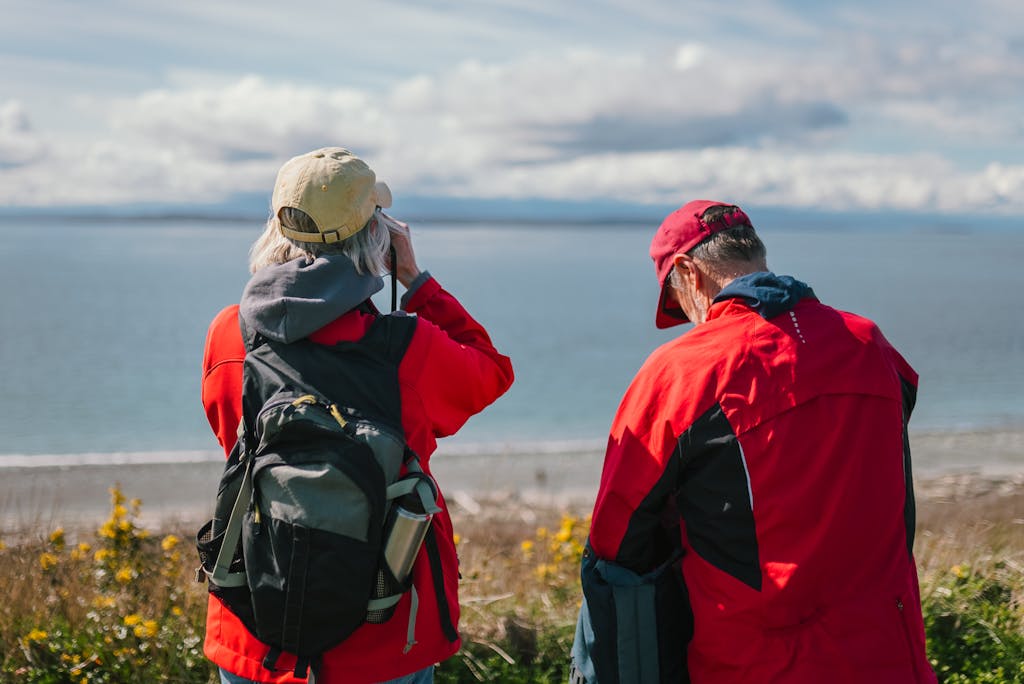
Elderly couple in red jackets enjoying seaside view, outdoors with backpacks and travelling more after retirement

If you’ve recently retired or retirement is on the horizon, you may be wondering how to make travel a bigger part of your life. As someone who loves exploring new destinations and discovering hidden gems, I’ve learned that travelling after retirement isn’t always about having a bigger budget, but to travel more. It’s about making travel a priority and finding ways to make it fit your lifestyle.

In this post, I cover some practical tips that have worked for me which hopefully will help you to travel more after retirement.

I love creating valuable content for you my readers, however, there is a cost to maintaining a website and there may be affiliate links scattered throughout the website. By clicking on the links there is no extra cost to you, however, I may receive a small profit.

Create A Retirement Travel Bucket List

One of the best things you can do is make a list of the places you’ve always wanted to visit. Maybe you’ve dreamed of seeing the Rocky Mountains, taking a Mediterranean cruise, exploring Canada’s east coast, or road-tripping through Ontario’s charming small towns.

Writing down your travel goals gives you something exciting to work toward and helps you prioritize your time and money. Your bucket list doesn’t have to be filled with expensive international destinations. Some of my favorite travel memories have come from discovering places close to home that I never knew existed.

A woman points at colorful hot air balloons over Cappadocia at sunrise.  Put this on your travel bucket list

Build Travel Into Your Budget

Travel doesn’t have to stop because you’re living on a fixed income. In fact, many retirees find they can travel more by creating a dedicated travel fund.

Consider setting aside a small amount each month specifically for future adventures. You might also look for ways to reduce everyday expenses and redirect those savings toward travel experiences.

Retirement travel is often more affordable because you have the flexibility to travel during off-peak seasons when flights, accommodations, and attractions are less expensive.

Take Advantage Of Flexible Travel Dates

One of the greatest advantages of retirement is flexibility.

Without work commitments, you can travel when prices are lower and destinations are less crowded. Travellng during shoulder seasons often means enjoying better weather, fewer tourists, and significant savings.

Instead of planning trips around holidays and school breaks, consider visiting destinations in spring or fall when accommodations and attractions are more affordable.

Consider More Road Trips

Road trips can be one of the most affordable and enjoyable ways to travel after retirement.

I personally love road-tripping because it allows me to travel at my own pace, stop whenever something catches my eye, and discover hidden gems along the way. You don’t need to book flights or follow a strict itinerary.

If you’re looking for weekend getaway or a week-long adventure, road trips can help you see more while spending less.

Travel Slower And Stay Longer

When we were working, many of us tried to cram as much as possible into a short vacation.

Retirement allows you to slow down.

Instead of rushing through multiple destinations, consider spending more time in one place. Staying longer often leads to lower accommodation costs, deeper cultural experiences, and less travel-related stress.

Some retirees even choose to spend a month or more in a destination, allowing them to live like a local rather than a tourist.

Look For Senior Discounts To Travel More After Retirement

Many travel providers offer discounts specifically for seniors.

Some of these discounts can include:

  • hotels
  • museums and attrations
  • public transportation
  • guided tours
  • national parks
  • car rentals

Before booking anything, it’s always worth asking whether a senior rate is available. Small savings can add up significantly over the course of a trip.

🌟 Join Our Facebook Community! 🌟

I’d love to invite you to join my Facebook group Just One Boomer Travels! It’s a warm, supportive space where travellers over 50 can share experiences, ask questions, and cheer each other on. Come be part of a community that understands your travel style and celebrates your adventures.

Join Travel Groups Or Tours

Solo travel can be incredibly rewarding, but some retirees prefer travelling with others who share similar interests.

Goup travel has become popular travel trend amoung seniors. Many travel companies offer tours designed specifically for mature travellers. These tours can provide peace of mind, social opportunities, and expert planning.

You may also find local travel clubs that organize group trips, day excursions, and social events.

group travel and trous has become a popular way to travel amoung seniors

Prioritize Experiences Over Luxury

One lesson I’ve learned over the years is that meaningful travel experiences often matter more than luxury accommodations.

Some of my favorite memories involve scenic drives, local restaurants, hidden beaches, hiking trails, and conversations with fellow travellers.

Choosing simpler accommodations or cooking a few meals yourself can free up more of your budget for experiences that create lasting memories.

Stay Healthy And Travel Ready

Travelling more after retirement becomes easier when you prioritize your health.

Regular exercise, routine medical checkups, and maintaining an active lifestyle can help ensure you’re ready for new adventures whenever opportunities arise. It’s also important not to neglect our health when away so that we stay healthy and fit while we’re away.

It’s also wise to purchase travel insurance, especially for longer trips or international travel.

stay fit and eat healthy so you can travel more after retirement

Remember That Travel Doesn’t Have To Be Far Away

One of the biggest misconceptions about travel is that it always requires a plane ticket.

Some of the most rewarding adventures can be found just a few hours from home. Exploring nearby towns, visiting provincial parks, discovering local festivals, and taking weekend road trips can satisfy your sense of adventure while keeping costs manageable.

Travel is about experiences, not distance.

Contact Kelly, a Licensed Travel Agent, to book your next dream vacation

How To Travel More After Retirement: In Conclusion

Retirement offers something many of us have wanted for years: time. While budgets and responsibilities still exist, retirement provides the flexibility to explore more, travel differently, and create unforgettable memories.

Whether your dream is to cruise through Europe, visit every province in Canada, or simply take more weekend road trips, the key is to start planning and make travel a priority.

You don’t need unlimited money or elaborate itineraries to travel more after retirement. Sometimes all it takes is curiosity, flexibility, and a willingness to say yes to the next adventure.

After all, retirement isn’t the end of the journey. It’s the beginning of a whole new one.

Travel Solo Like a Pro!

AIRFARE:

♥  CheapOair and WayAway offer flights at a resonable rate. Let CheapOair or WayAway find the cheapest and best flight for your destination

HOTELS & ACCOMMODATION:

♥  I use Booking.com to book all of my accommodations, both domestically and internationally. When booking in the United States, I use Trivago US

ACTIVITIES:

♥  Get Your Guide and Viator are the absolute best sites to plan and book any adventures, activities, and all things fun

BIKE AND MOTORCYCLE RENTALS:

♥  BikesBooking.com will find the best prices for bicycles, motocyles, and scooter rentals any place in the world.

CAR RENTAL:

♥  Economy Bookings will provide rental prices worldwide, which making it a one stop shop for the most reasonable car rentals

AIRPORT TRANSFER AND PRIVATE TOURS:

♥  Kiwitaxi is who you want to contact for transportation from the airport or train station.  Why not arrange for a PRIVATE CITY TOUR with Kiwitaxi at the same time.

CRUISES:

♥  Cruise Critic not only provides reviews and answers questions, it also offers great cruise deals. If your a cruise lover (like me), I highly recommend that you check it out!

TRAVEL INSURANCE:

♥  Travel insurance these times of natural disasters, travel interruption and baggage loss is no longer a place where you can cut costs. essentials.  It has become an essential part of travel. Visitors Coverage will take care of all of your insurance needs.

SAVE TO TRAVEL MORE AFTER RETIREMENT


Source link