You’ve heard a lot of different statistics and general information on video content having more and more utility in business operations. It’s true. 91% of businesses (take a careful look at the number) use video as a marketing tool in 2026, and 93% say video is an important part of their strategy, according to Wyzowl’s 2026 video marketing research. That tells us that video is an option that most businesses turn to. High time to note, that I’m not only talking about marketing videos, i.e., ads and promos. Video offers so many other options that not everyone thinks about. Tutorials, internal communications videos, memos, guides for employees (and clientele) and other content. You want specifics, I expect, so let’s get to it.
As I mentioned, video capabilities are much wider than marketing alone, although, admittedly, marketing takes a wide chunk of video content. However, there are options to consider for internal use as well. For example, free online video editors. The HR team can use them for memos, the marketing team can use them for internal communications and tutorials, and the tech team can use them to record useful how-to videos for the whole staff.
The instruction here is quite simple. While ads require a budget, a creative director, a guy who will shout CUT and give everyone instructions on what to do and what to wear, internal videos require the Clideo free browser extension, and your disregard for social anxiety.
Practical tip time.
Get on that camera, tell colleagues what you know, and what you think they should know too, do screen recordings, and load all that into Clideo.
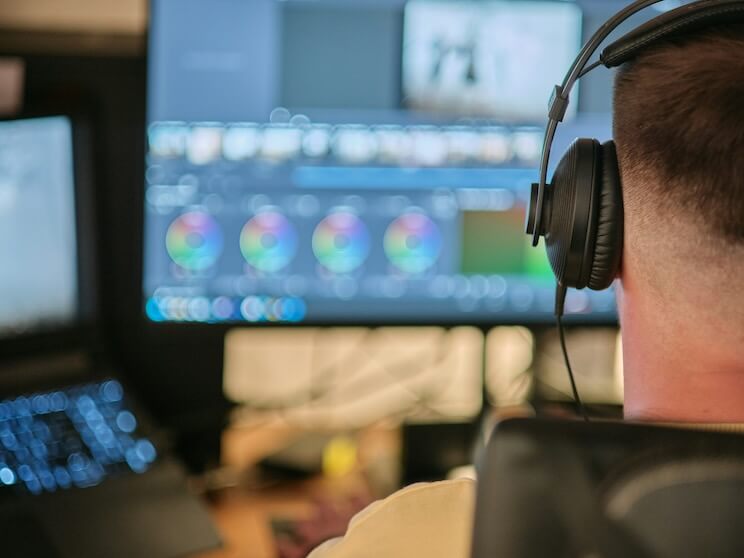
Then use one of the many options for production, play with hues, use the AI assistant, add subtitles, and, most important for internal use, fire up the mp4 compressor to spare you server and save cloud space.
These videos should be touched up to maximize voice quality as well.
Remove background noise, leave in a couple of pauses for natural effect, but make them short for readability.
Have a script ready beforehand to minimize awkwardness and video length.
Keep the videos available for every new hire, every member of the staff, regardless of their position.
Internal communication makes us suffer
Let’s talk about the WHYs of this equation. Axios HQ’s internal communications research found a huge gap between leadership perception and employee reality, i.e., these people live in different realities with very different goals. 80% of leaders think their internal communications are clear and engaging, but only 50% of employees agree. Also, 80% of leaders think their internal communications are helpful and relevant, but only 53% of employees agree.
Not to point fingers, but communication, especially in a large company, is the first thing that swirls down the drain and causes problems for everyone involved. Some additional statistics to support this claim. The same Axios HQ research found that 43% of C-suite leaders, presidents, or owners spend too much time clarifying or reinforcing communications with staff, while 48% have gotten more involved in projects than they should have because of ineffective communication. Aside from being unbelievably annoying, these endless let’s-circle-back meetings are not built to promote healthy human psyche, and knock the will to work out of everyone, cutting productivity in half.
Microsoft’s 2025 Work Trend Index adds another drop of poison to this corporate bucket. 53% of leaders say productivity must increase, but 80% of the global workforce says they lack enough time or energy to do their work. Microsoft also reports that employees are interrupted every two minutes during the 9-to-5 by meetings, emails, or pings, adding up to 275 interruptions a day when activity outside core hours is included. Next time you get the urge to smash the computer after (or during) that ‘quick call’ know that you’re not alone.
Video is becoming a business workflow
As mentioned, video content for internal communication is a step towards solving the problem. Content Marketing Institute found that 61% of B2B marketers expected their organizations to increase investment in video in 2025. Attention! That’s higher than thought leadership content, paid advertising, webinars, digital events, or audio content. That makes video the top planned investment category in their B2B content benchmark data in 2026.
The same CMI report also found that 45% of B2B marketers lack a scalable model for content creation. That’s where free browser extensions come in handy, the mentioned Clideo, for one.Vidyard’s business video benchmark is another statistics goldmine for us here. Their report analyzed nearly 1 million videos created by Vidyard users to understand business video and video selling trends. They also describe “agentic video experiences” as videos triggered through marketing automation, CRM, or sales enablement tools, meaning video is being embedded directly into revenue operations, not treated as a one-off creative project.
Now it’s time to discuss video for what it is. The Holy Grail of 2026 marketing.
Statistics Soothe Our Souls
If you read this far, you must really like marketing. Or statistics, to be frank, because one cannot exist without the other. So, I’ll grant your wishes and throw some heavy stats your way.
The top three ROI-driving content formats are all video-based these days. Short-form video, long-form video, and live-streaming video. Think TikTok, Instagram, and wherever kids hang out these days. HubSpot’s 2026 marketing statistics list short-form video at 49%, long-form video at 29%, and live-streaming video at 25% as the highest ROI-driving formats reported by marketers. That’s serious enough to never take lightly. This is a gold mine for everyone hoping to make it in the dog-eat-dog marketing world.
This high supply is driven by the high demand from customers. People are used to the quick and low-effort format of video because it’s easy to digest, and can be combined with other types of activity (let’s not name specifics). Again, stats agree. 65% of organizations say they have experienced a surge in video content creation over the past two years, according to Vimeo’s 2025 State of Video at Work report.
As you can see, video is good for business, and bad video is bad for business. It’s that simple.
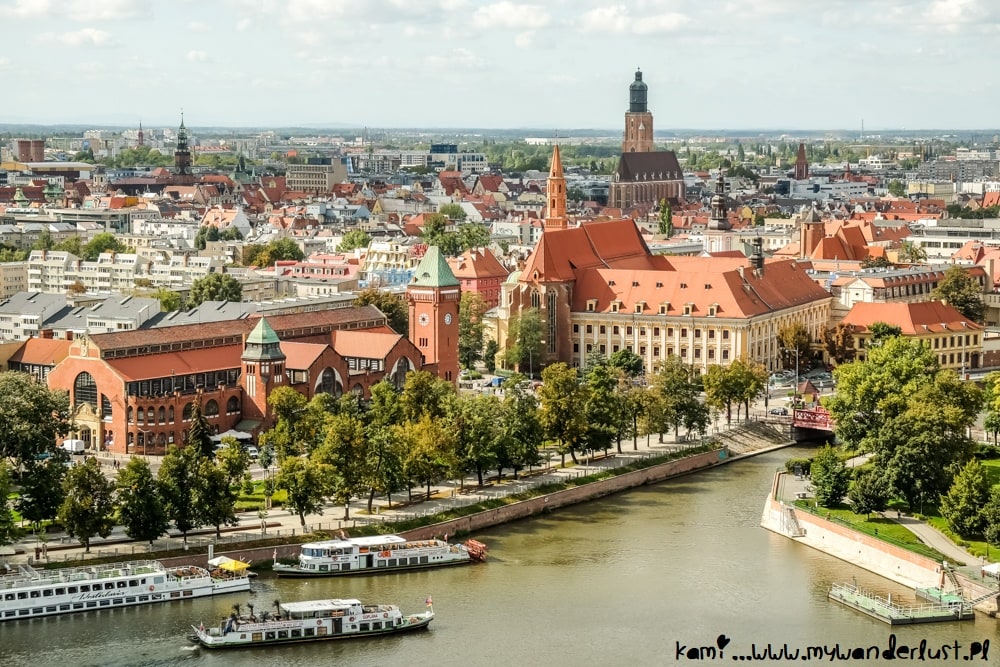
Wroclaw is one of the most popular places to visit in Poland, which is not surprising given the many great attractions this city offers. From beautiful Old Town and historical sites to quirky dwarfs and UNESCO-listed Centennial Hall – there are so many things to do in Wroclaw for you to enjoy.
But the city can also be a great base for wonderful day trips around the Lower Silesia region or even abroad, to the Czech Republic and Germany. There are so many amazing places not too far from Wroclaw, and visiting even just a few of them can really enrich your trip to Central Europe.
For me, Lower Silesia is the most interesting region in Poland, and I love discovering new places there or returning to those I already know and enjoy. You will find there amazing nature, charming towns with multicultural past, beautiful castles and palaces, relaxing spa towns, and so much more. The good news is, you can visit all of these on Wroclaw day trips!
I put together a list of the best places to visit on day trips from Wroclaw. I truly hope this article inspires you to see more than just the main destinations in Central Europe, as this region has so much to offer. Read on and plan your perfect trip to Wroclaw and beyond!
Planning a trip to Wroclaw?
Here are the highly-rated hotels, tours, and services recommended for your trip:
Accomodation:
Tours and activities:
Internet: Stay connected with Airalo eSim card – use my code “KAMILA1947” to get $3 off your first order!
Insurance: Get insured for your trip to Poland with SafetyWing
Airport Transfer: Pre-book the airport transfer from Wroclaw airport to your accommodation in Wroclaw here.
Car rental: Compare prices and find the best deals on rental cars in Poland on Discover Cars.
Day trips from Wroclaw – practical information
The Lower Silesia region has a pretty good public transport network, and you can get to many of the places listed below by train and sometimes by bus. You can check the current schedule here.
However, many of the interesting places (like castles or military objects) are a bit more difficult to reach, so renting a car would come in handy – you can do it here.
There are also tours from Wroclaw to some of the more popular destinations. Here are some highly-rated, recommended options:
Day trips from Wroclaw
Below, you can find the fifteen ideas for the best day trips from Wroclaw. No matter what you choose, you are in for a treat!
Świdnica
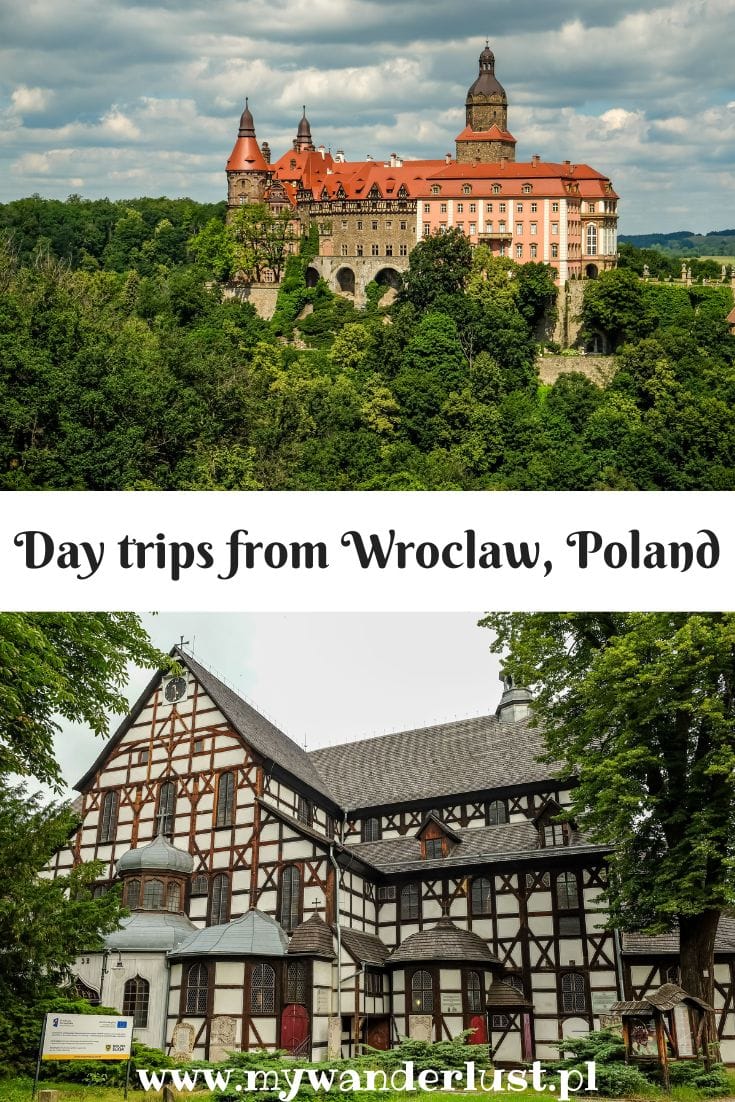
Located only around 50 km away from Wroclaw, Swidnica is one of the most beautiful and interesting places to visit in the Lower Silesia region (or even in Poland). The majority of tourists visit Swidnica for the UNESCO-listed Church of Peace. The 17th-century masterpiece will surely make your jaw drop. It’s the largest wooden church in Europe and, according to legend, no nails were used in its construction. The place is really big; it can fit up to 7,500 people, and its interior is packed with stunning details and decorations, all made of wood.
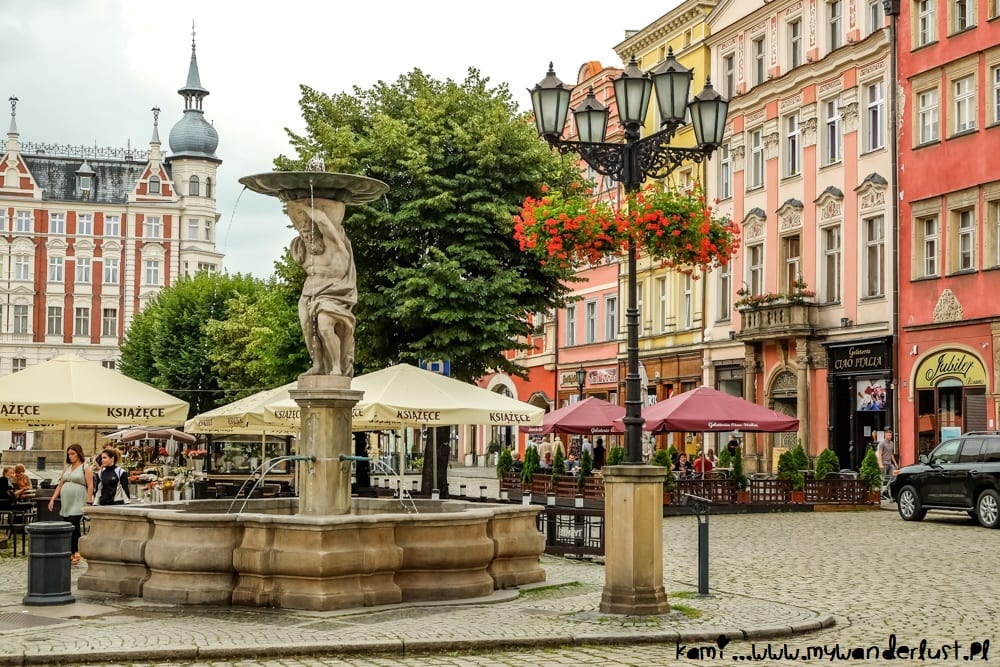
But the Church of Peace isn’t the only attraction of Swidnica. The town is actually full of interesting sites, such as the Gothic Cathedral from the 14th century (with the 5th-tallest church tower in Poland), the main square with picturesque pastel townhouses and cobblestone streets, or the Town Hall with the interesting Museum of the Old Trade. You can easily spend a day in Swidnica and not be bored.
Getting to Swidnica is very easy as there are direct trains from Wroclaw throughout the day, with a travel time of around one hour. Along the way, you can stop in Jaworzyna Śląska to visit the Railway Museum there, one of the best institutions of that kind in Poland.
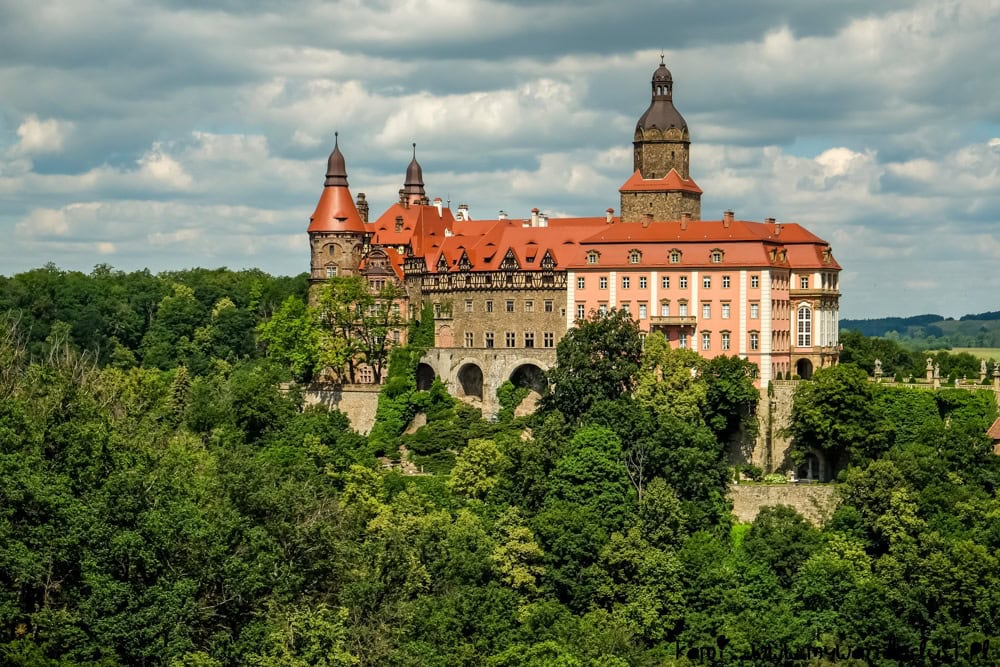
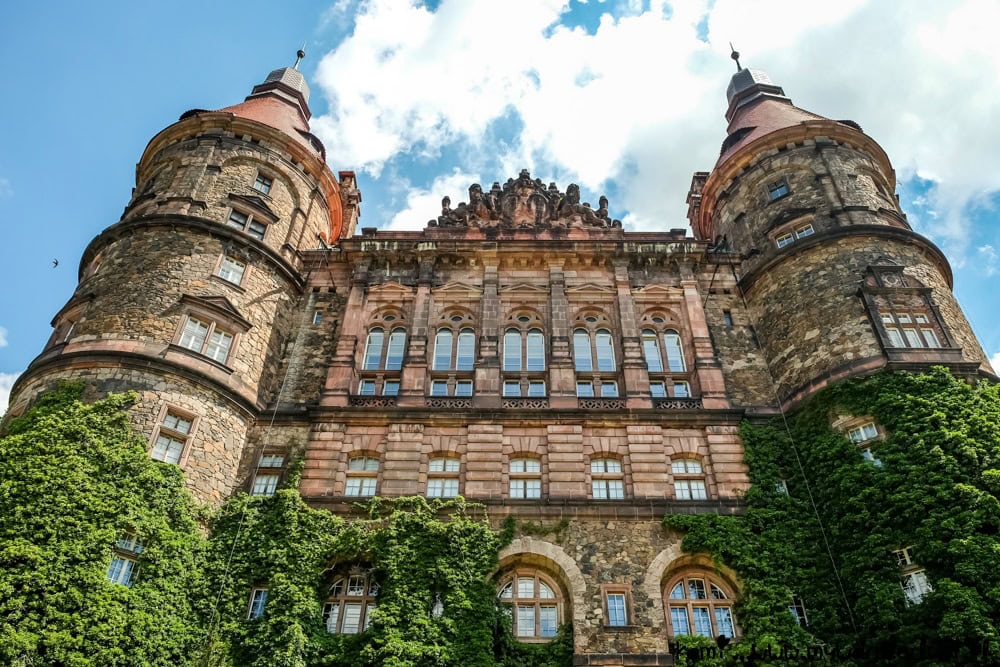
Ksiaz Castle is one of the most beautiful landmarks in the region. Surrounded by vast forests, it is stunning both from the outside and inside and looks like a fairy tale. With over 400 rooms, it is the third-largest castle in Poland (after Malbork Castle near Gdansk and Wawel Castle in Krakow).
According to the legend, the first castle in this very place dates back to the 10th century, but Ksiaz was first mentioned in 1293 as the residence of the Silesian duke Bolko I the Strict. Over the years, Ksiaz Castle changed its owners many times until it eventually went to the noble Hochberg family in the early 16th century, who owned it until World War 2. They took really good care of the castle, rebuilding it a few times to its current glory, adding even more rooms and structures throughout the property (such as the stable, the romantic ruins, and fountains and terraces).
During World War 2, Nazi Germany bought Ksiaz Castle to create one of the Hitler’s headquarters there. At that time, a big part of the beautiful interior was destroyed, and the underground corridors – part of the Riese Project – were created. After the war, when the Soviet army took over the place, the devastation only continued. The major renovations started only in the early 21st century, and shortly after, the castle was opened to tourists. Today, this is one of the most beautiful places in Poland and a popular tourist attraction that is definitely worth visiting.
Besides Ksiaz Castle, you can also visit the nearby Palm House, which was founded in the early 20th century by Princess Daisy, the most influential member of the Hochberg family. Wałbrzych, where Ksiaz Castle is located, is also a nice yet somewhat misunderstood city (due to the economic crisis that hit it hard in the 1990s). You can see a pleasant center with a nice main square and its surroundings, a great Old Mine that is open to visitors (I can definitely recommend it), and an interesting Museum of Porcelain.
During World War 2, Nazi Germany undertook a massive project (called “Riese” – “giant” in German) to build seven underground structures at Ksiaz Castle and in the nearby Owl Mountains. It’s still unclear what the purpose of the project was. Still, some available sources claim that the structures were intended to be part of Hitler’s Headquarters or the underground military factory complex.
None of the structures were completed; however, you can visit three of them (Włodarz, Osówka, and Sztolnie Walimskie), as well as the underground part of Ksiaz Castle, to learn more about the project and see the massive construction and work that went into it. The structures are in somewhat remote areas, so it’s best to visit them by car or on a tour.
Visiting the complex is possible only with a guide, so plan your trip there in advance. I highly recommend visiting the Project Riese sites, as they are unique and fascinating places that can tell you a lot about not-so-distant history.
Spa towns
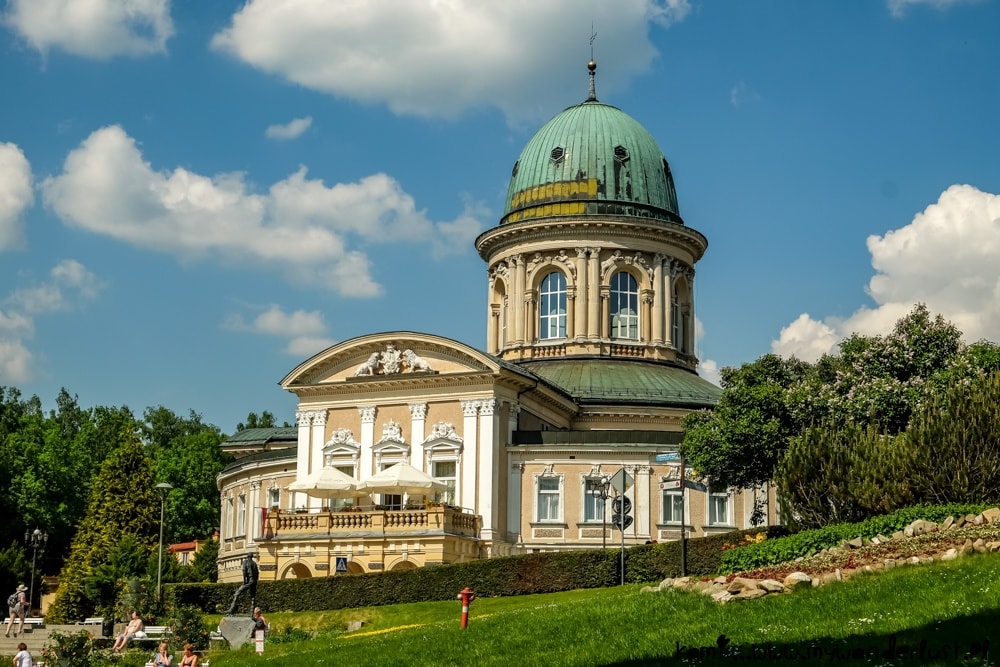
If you would like to relax a bit during your travels, there is no better place than Lower Silesia. This is the region with the largest number of spa towns in Poland – out of 47 such places in the whole country, 11 of them are in Lower Silesia.
The Lower Silesia region (and especially its mineral waters) has been known for its healing purposes since medieval times. This is when the oldest spa town in Poland and one of the oldest in Europe – Lądek Zdrój – was founded, back in the 13th century. More spa towns in this region became popular, especially in the 18th and 19th centuries (when the area was part of the German state), and they were often visited by wealthy people from all over Europe. Today, they are mostly popular with Polish tourists, but if you decide to visit the spa towns in Lower Silesia, you will surely be enchanted too!
There are 11 spa towns in Lower Silesia:
Cieplice Śląskie-Zdrój
Czerniawa-Zdrój
Długopole-Zdrój
Duszniki-Zdrój
Jedlina-Zdrój
Kudowa-Zdrój
Lądek-Zdrój
Polanica-Zdrój
Przerzeczyn-Zdrój
Szczawno-Zdrój
Świeradów-Zdrój
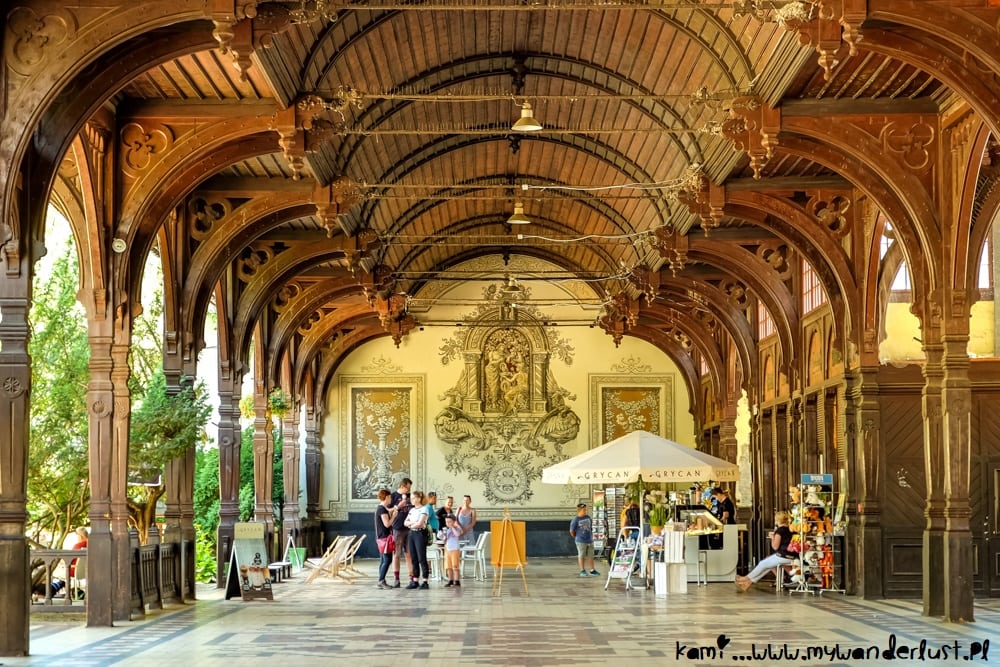
Each of them is interesting and worth visiting, but some have more to offer than others. In general, you can expect beautiful architecture, often from the end of the 19th century and the beginning of the 20th century, a well-kept central part of the town with the park and pedestrian promenade, and the spa house where you can try local mineral waters.
My personal favorites are Szczawno-Zdrój, Kudowa-Zdrój, and Lądek-Zdrój, but no matter where you go, I bet you will have a nice and relaxing time.
Kłodzko
Klodzko is one of the oldest towns in Poland, founded in the 10th century and granted city rights in 1233. Due to its location at the crossroads, it has always been influenced by different cultures, mainly Polish, Czech, and German. Over the centuries, Klodzko belonged to different countries until eventually returning to Poland after World War 2.
With such a long and turbulent history, you can find many different attractions and things to do in Klodzko. The town is sometimes even called “Little Prague” for its monuments and their historical and cultural value. You can easily spend a day in Klodzko without getting bored; there is so much to see!
The town’s biggest attraction is the majestic fortress towering above the center. Originally from the medieval times, the current structure dates back to the 17th century and has played a crucial role in defending the region. Besides the historical value, this is also the best place to admire a beautiful panorama of Kłodzko and its surroundings. The Old Town, located right below the fortress, is very charming, with numerous historical sites, beautiful buildings, and plenty of attractions. It’s such a perfect place to wander around and enjoy the town.
You can easily get from Wroclaw to Klodzko by train; the travel time is a bit over one hour. There are two train stations in Kłodzko, so be sure to go to the second one – “Kłodzko Miasto” – as it’s closer to the Old Town.
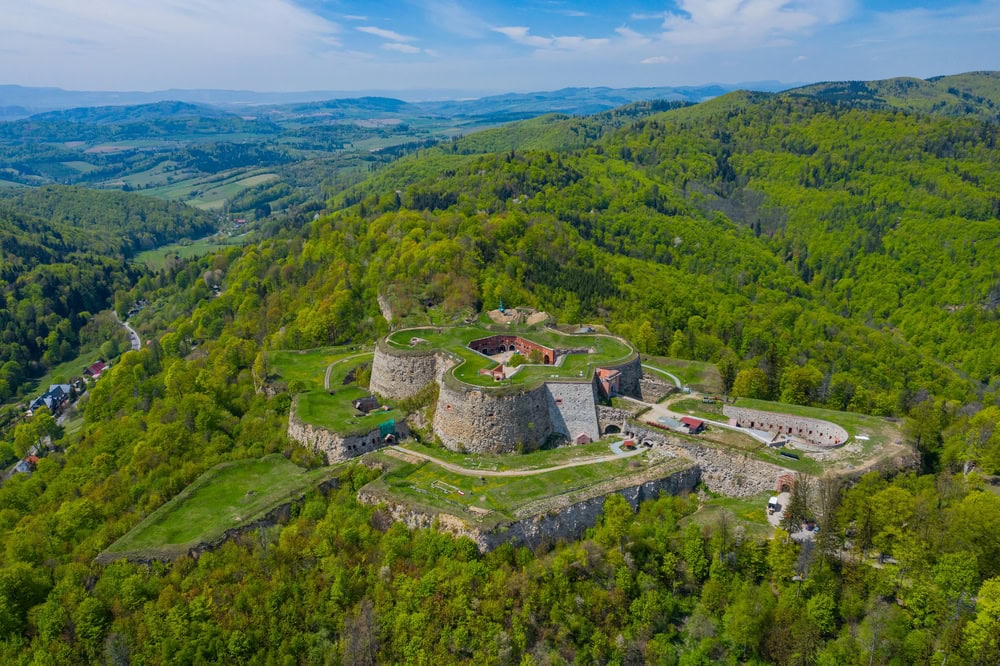
If you still have some time, you can also stop in nearby Bardo – a picturesque historical town with a stone bridge and a beautiful Baroque church. The train from Wroclaw stops here, too, so it’s easy to combine both places on your day trip. For those traveling by car, I highly recommend visiting the 18th-century Srebrna Góra Fortress, which is also not far from Kłodzko. This is the largest mountain fortification in Europe that has never been conquered. Not only is this site exceptional, but the views from up there are stunning.
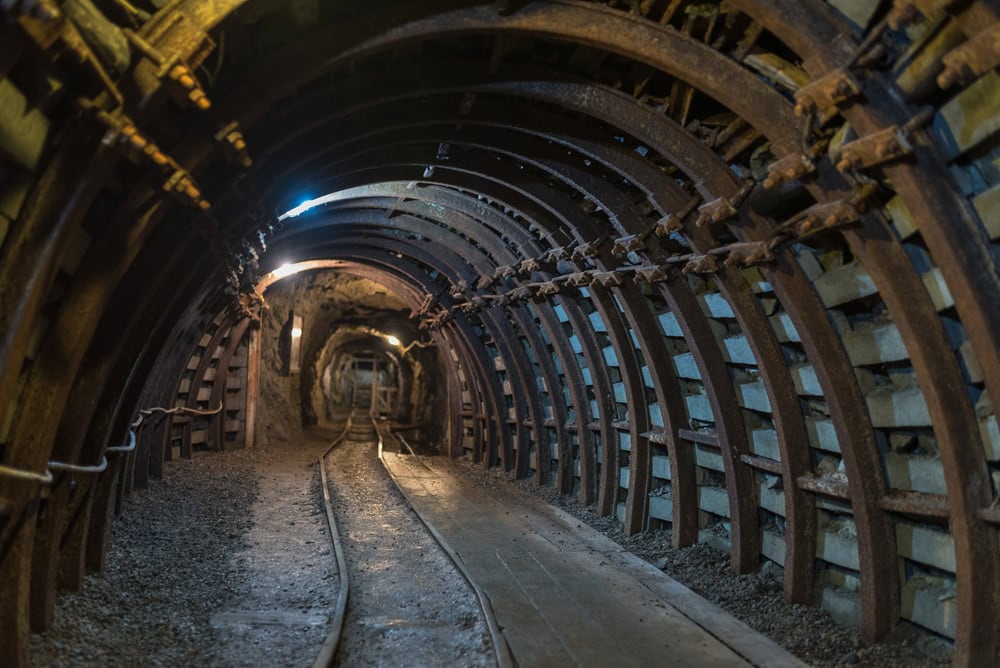
Located 90 km south of Wroclaw, right at the border with the Czech Republic, Złoty Stok is a nice town, typical of this region. What makes it worth visiting is the old Gold Mine that you can explore. Złoty Stok is one of the oldest and most important mining centers in Poland, dating back to the 10th century.
Besides visiting the mine itself, you can also see the medieval mining settlement, explore the adit, and learn more about gold mining in the local museum. You need around four hours to see all the attractions in the Gold Mine, so it will be a busy day.
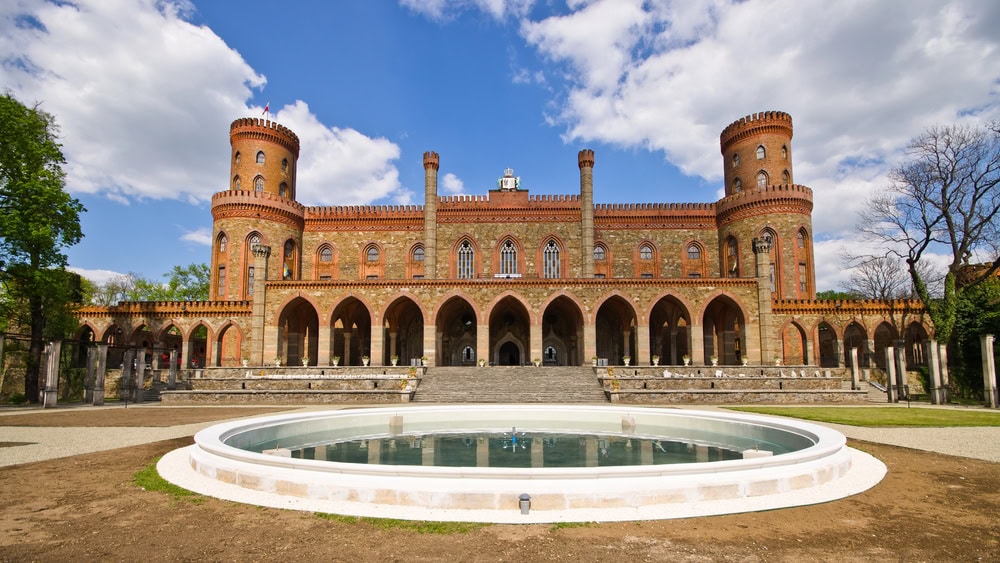
On the way back to Wroclaw, you can stop in nearby Paczków – the town known as “Polish Carcassonne” for its well-preserved medieval city walls and a nice Old Town. Another interesting place along the way is Kamieniec Ząbkowicki with its monumental 19th-century palace, which is such a stunning place.
Mountains
The southern part of Lower Silesia, along the border with the Czech Republic, is lined with mountains, with Karkonosze being the highest one. Still, these are not very high (the highest peak is Sniezka, 1603 meters above sea level) and rather easy to explore, making them a perfect destination for all mountain lovers. There are a few mountain ranges here; each of them is beautiful, but the most picturesque is probably the Table Mountains, with numerous rock formations.
If you travel around by car, it’s very easy to go on a hiking day trip from Wroclaw. But even with public transport, you can take a train to places like Szklarska Poręba or Karpacz, and start your hike there.
Jelenia Góra
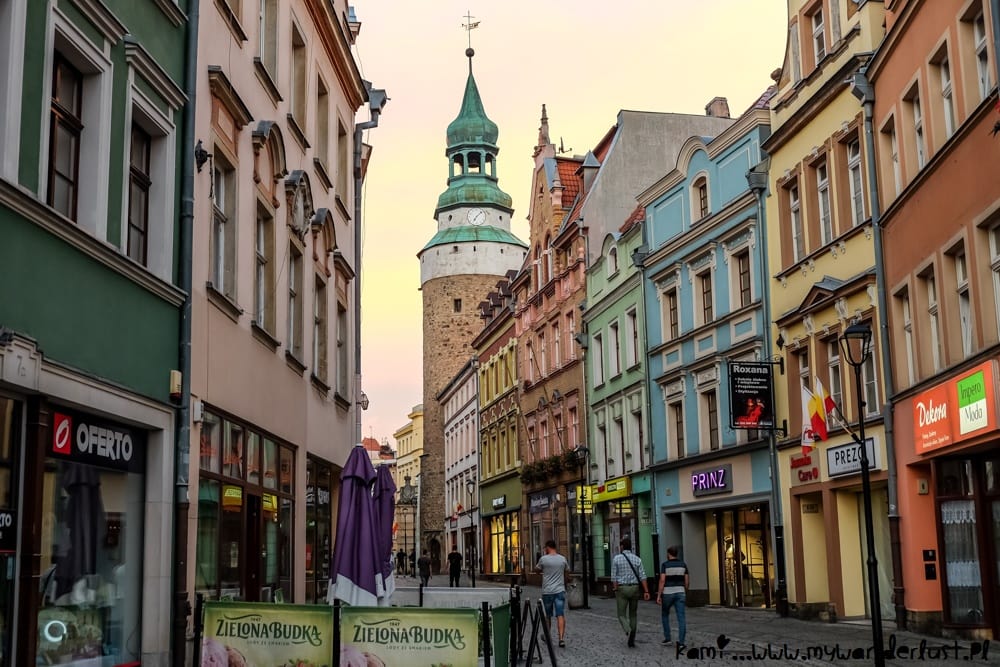
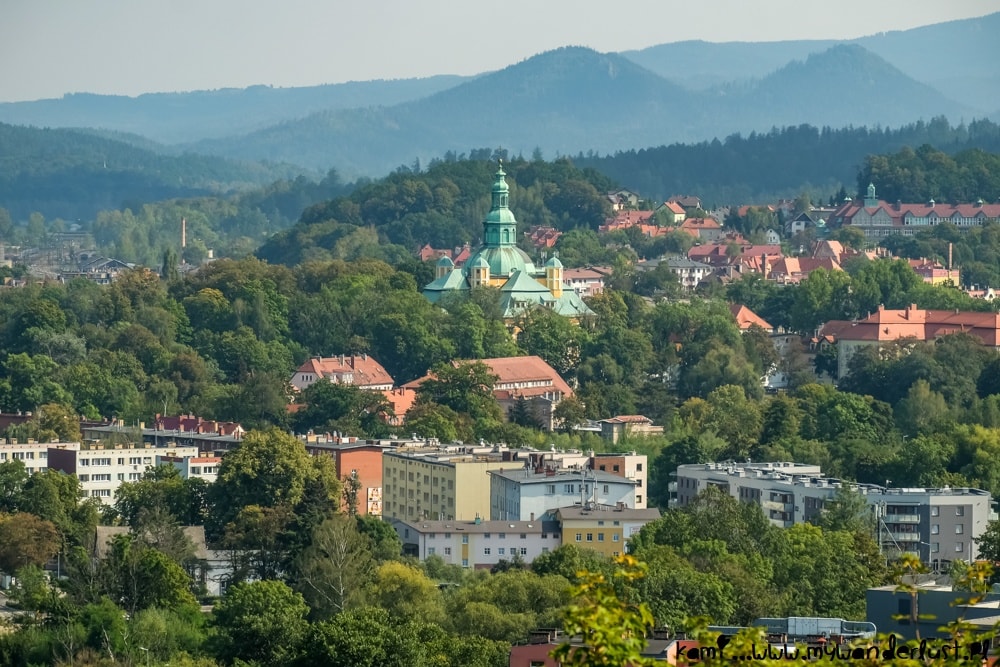
Another easy day trip from Wrocław is to Jelenia Góra, where you can take a direct train (it takes about two hours). This is one of my favorite places in the Lower Silesia region, a beautiful city with numerous attractions, yet still not widely discovered by tourists.
Jelenia Gora is one of the oldest cities in Poland; the first settlements here date to the 10th century, and the town received its rights in 1288 under Polish rule. Between the mid-18th century and the end of WW2, the city was part of Prussia, and many of today’s attractions date back to that period. Over the centuries, Jelenia Gora was a wealthy town on trade routes, and you can still easily see its former glory today.
The city really has a lot to offer, and the beautiful center can easily enchant. Jelenia Gora has one of the prettiest locations in Poland; the city is nestled in the basin, surrounded by mountains on all sides. The name of the city literally means “Deer Mountain,” hence you can see many cute deer all over the place (mostly sculptures, but still, that’s nice).
A perfect nature getaway north of Wroclaw is the Barycz Valley Landscape Park. The area is known for its pristine, beautiful nature and birdwatching (with some rare species residing here). This is where you can also find the unique complex of Milicz Ponds, with over 300 breeding ponds. The best way to explore the Barycz Valley is by bike, with hundreds of kilometers of easy bike paths that pass through beautiful landscapes.
Legnica
Legnica isn’t the most popular day-trip destination from Wroclaw, but this historical town, with plenty of attractions, is actually worth visiting. This is one of the oldest cities in Poland, dating back to the 7th century, and in medieval times it was the seat of the Piast dukes and an important center of their power. After the Silesian Wars in the 18th century, Legnica became part of Prussia. Only after World War 2 did Legnica return to Poland. However, until 1993, this was where the Soviet Army had its base, which gave the city the nickname “Little Moscow”.
The Old Town is a mix of historical landmarks (such as the Piast Castle or the Cathedral), beautiful older townhouses, and post-war buildings. It’s still a pleasant area to wander around and discover. My favorite part of the city was the Tarninów district, with beautiful townhouses and villas, cobbled streets, and greenery all around. This area was occupied by senior officers of the Soviet Army between 1945 and 1993, and ordinary citizens were not allowed to visit it.
Getting to Legnica is very easy, as there are frequent train connections from Wroclaw, with a travel time of under one hour. The train station is located close to the Old Town, so you can start your sightseeing right away.
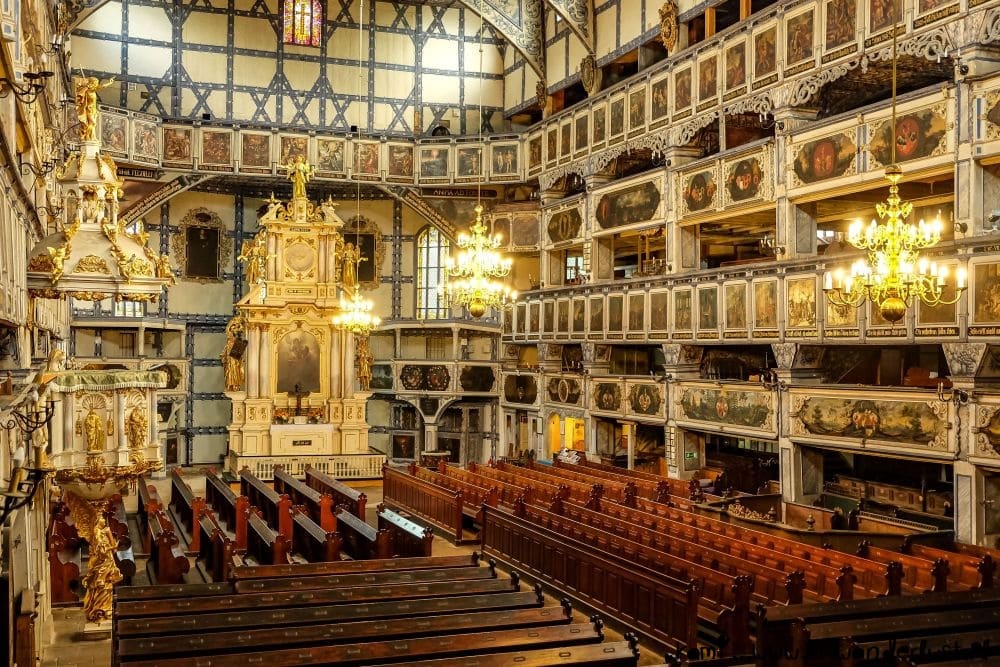
If you travel by car, you can also stop in nearby Jawor, where you can visit another UNESCO-listed Church of Peace from the 17th century. It is a truly magnificent site, definitely worth a little detour.
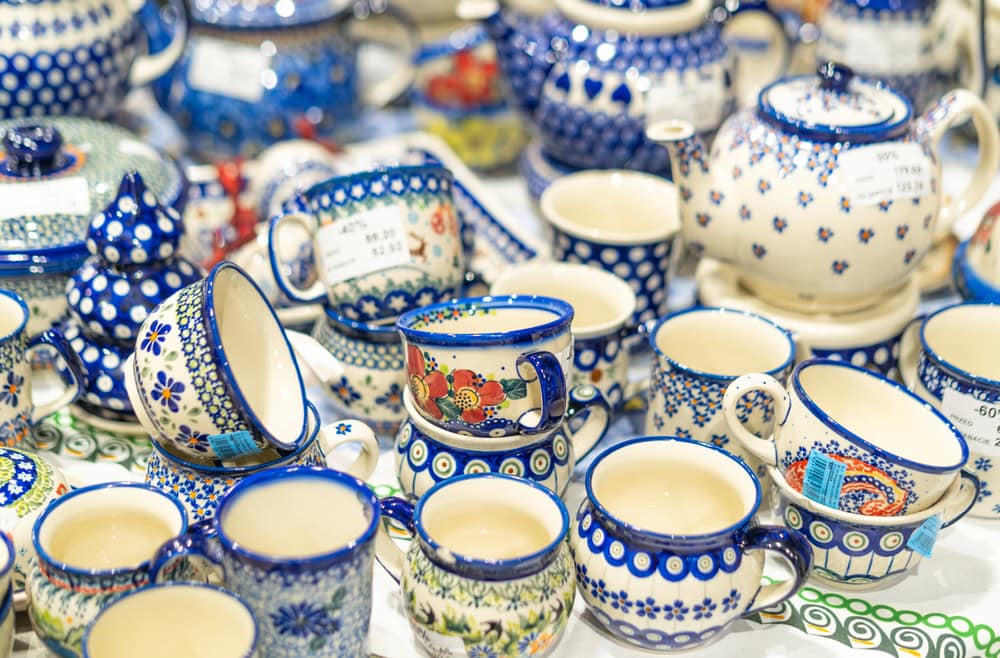
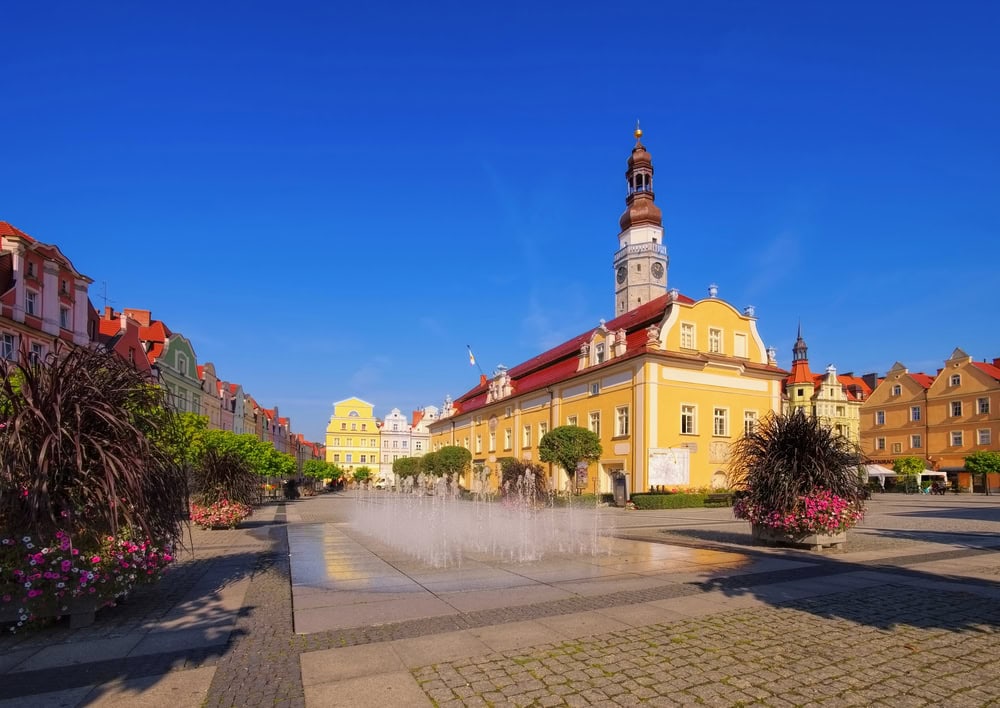
Bolesławiec is another interesting town in Lower Silesia, known across Poland for the beautiful ceramics made here. The distinctive white-and-blue pattern is stunning, and no wonder people from all over the world visit Boleslawiec to buy unique new items and learn about local ceramics, its history, and the production process.
But there is more to Boleslawiec than ceramics. This is yet another old city in this region, founded in the 10th century. The heart of the town is its marketplace, one of the prettiest in Lower Silesia, with rows of colorful townhouses around and an impressive town hall right in the middle. The Old Town is a pleasant place to wander around and discover interesting sites (such as the old city walls). In Bolesławiec, you can also find one of the longest railway viaducts in Europe, built in 1846, with a length of 490 meters.
You can easily reach Bolesławiec by train from Wroclaw, the journey takes only one hour. You can also combine it with a visit to Legnica, which is on the same railway route.
Castles and Palaces
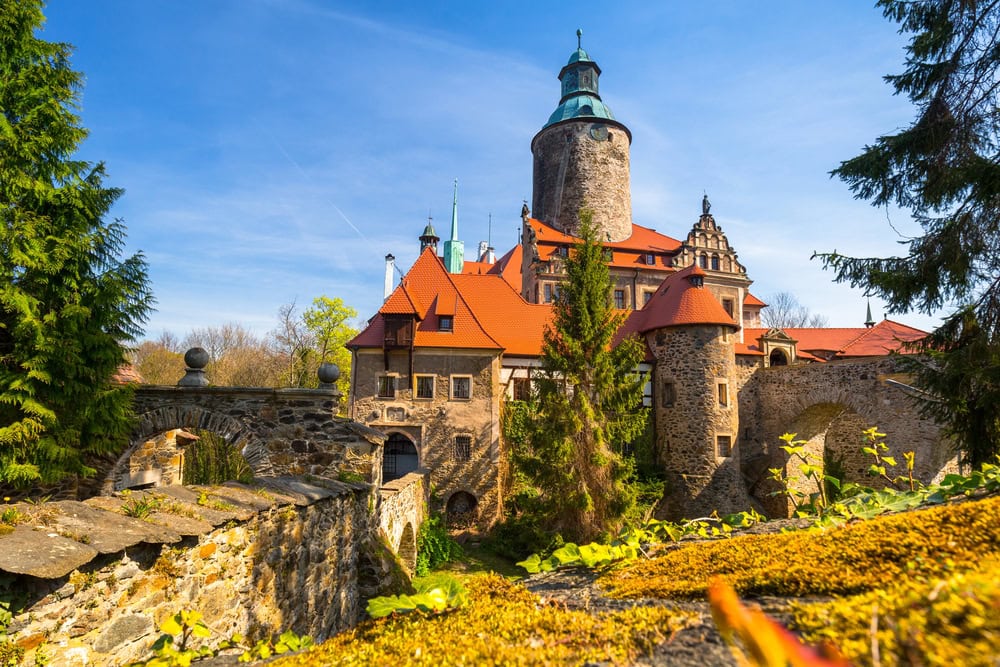
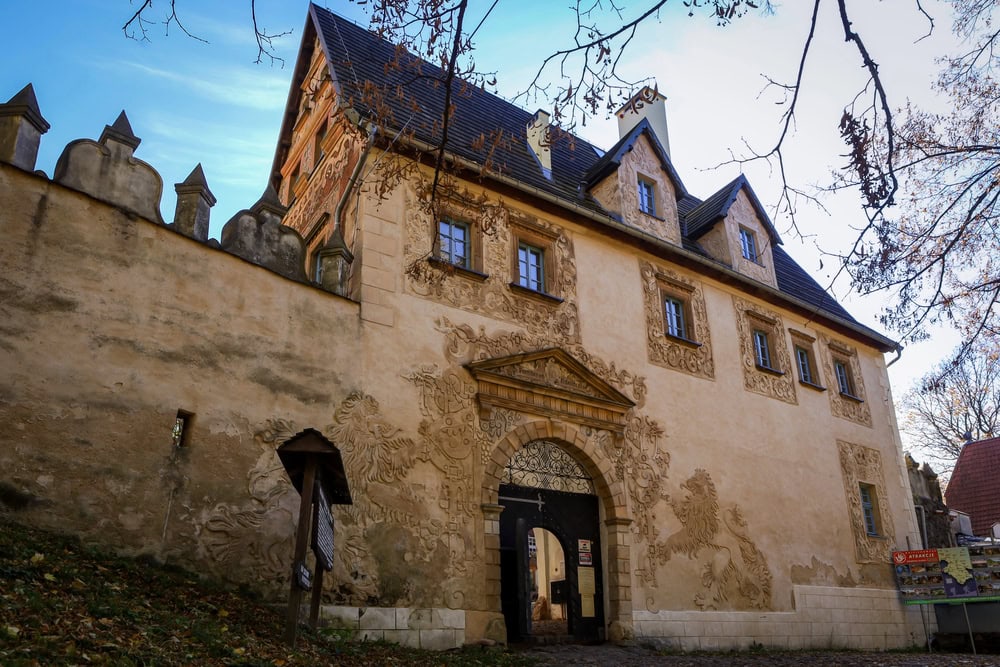
Lower Silesia probably has the highest number of castles and palaces in Poland, so it is a good idea to take a day trip from Wroclaw to see some of the best ones. The most famous one is, of course, Ksiaz Castle, which was already mentioned in this article.
But you can find so many other great places to visit. Some of the impressive castles that you should check are Grodno Castle, Czocha Castle, Kliczków Castle, and Karpniki Castle, to name a few. Many of these impressive buildings are located near Jelenia Gora, in the so-called “valley of palaces and gardens”.
Recently, a few of the beautiful palaces have been turned into hotels and restaurants to give you an even better experience and a glimpse into their past lives.
Lubiąż Abbey
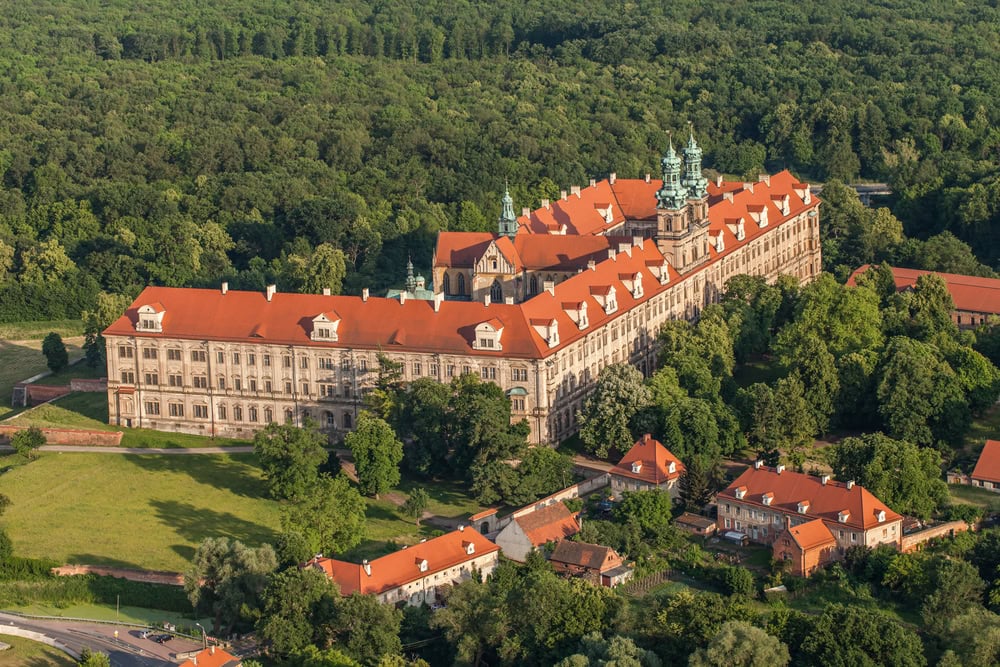
Located 50 km west of Wroclaw, Lubiąż Abbey is one of the greatest places of its kind in Europe and the largest abbey ever constructed. The former Cistercian monastery was founded in 1150 by the Silesian Duke Bolesław I the Tall and operated until 1810, when the Prussian king disestablished it. Over the years, the impressive building fell into disrepair, and only after the fall of communism in Poland did restoration work begin.
Today, the works are still underway, but it is nevertheless a truly breathtaking place. The abbey is known as the masterpiece of the Silesian Baroque, with the longest Baroque facade in Europe (223 meters). This is still somehow a hidden gem of Poland, so don’t miss it when you visit Wroclaw.
Germany – Goerlitz
You don’t need to limit yourself to Poland only on your day trips from Wroclaw. Since the city is located not too far from the borders with Germany and the Czech Republic, you can include these two countries in your itinerary, too. One of the best places you should consider visiting is Görlitz, a German town right across the border from Poland (literally, you can walk there from the Polish town of Zgorzelec).
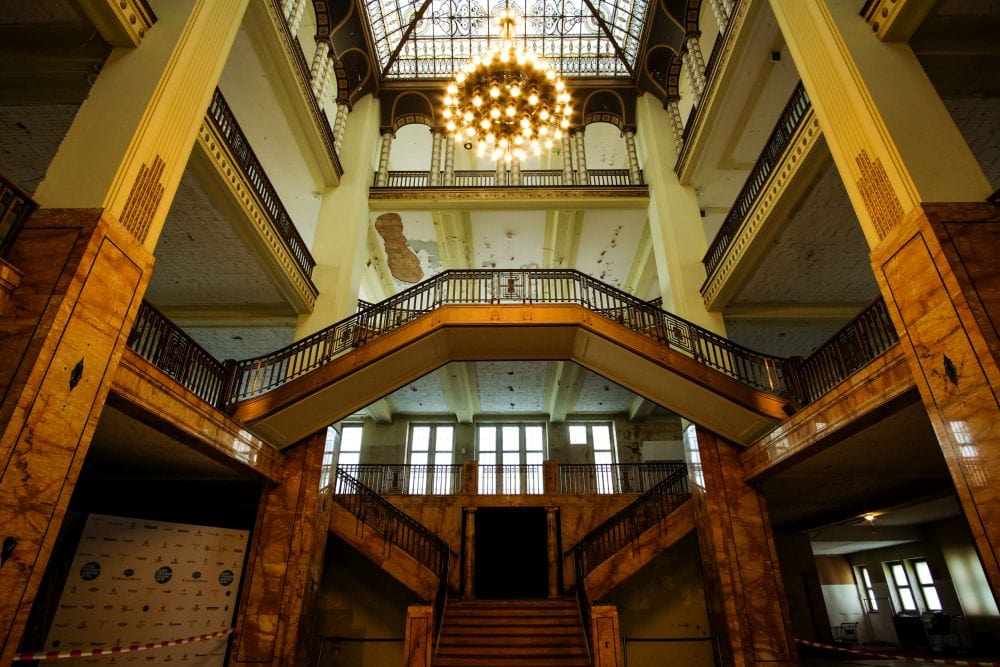
This is one of the very few cities in that part of Europe that weren’t damaged during World War II, hence it’s rich in monuments and buildings in various architectural styles. There are 13th-century churches, a 16th-century town hall, or a 19th-century department store. Goerlitz is considered to be one of the best-preserved cities in Central Europe.
Due to its charm, beauty, and historical center, the city is among the favorite locations for filmmakers. Some of the well-known movies, such as “Around the World in 80 Days, “Inglorious Bastards,” and “The Grand Budapest Hotel,” were actually filmed in Görlitz.
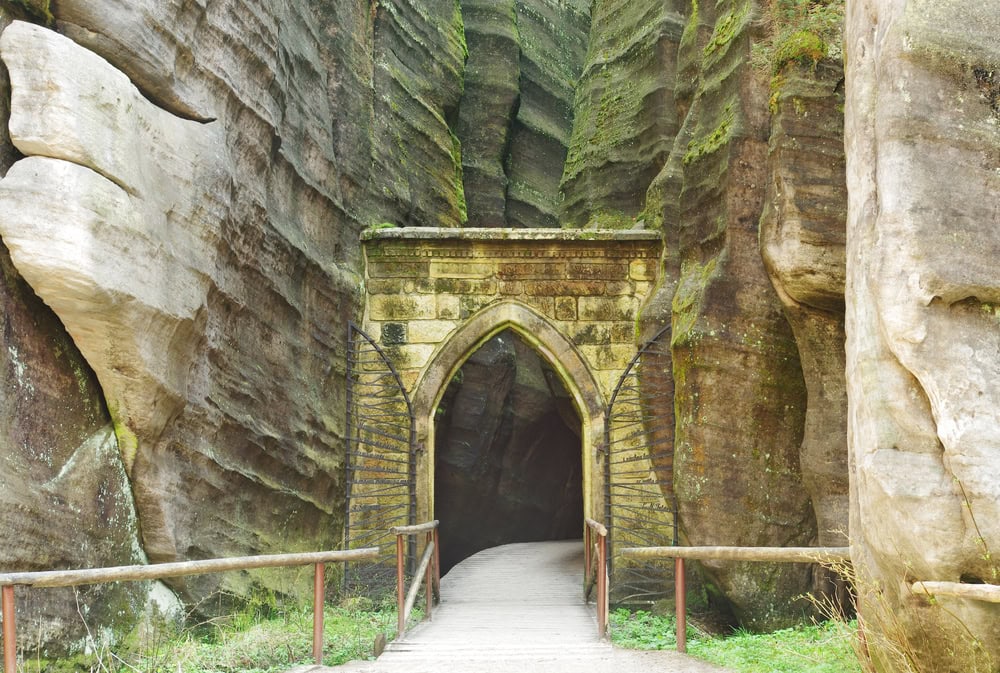
The Adršpach Rock Formations are among the most beautiful natural areas in Central Europe. This is where you will find the largest rock labyrinth in the Czech Republic, some great hiking trails, a boat ride, and so many more attractions.
This breathtaking area is located just across the border from Poland, some 2 hours’ drive from Wroclaw, making it a great day-trip destination. Since it’s a popular attraction, it’s better to visit Adršpach Rock Formations outside weekends to avoid crowds and fully enjoy the place.
On the way back, you can stop in two interesting nearby places, both already in Poland. Chełmsko Śląskie is a small yet charming town with a unique attraction – the complex of twelve houses from 1707, so-called Weavers’ Houses. A bit further away, you can stop in Krzeszów Abbey with jaw-dropping Baroque interior and the mausoleum of dukes from the Piast Dynasty.
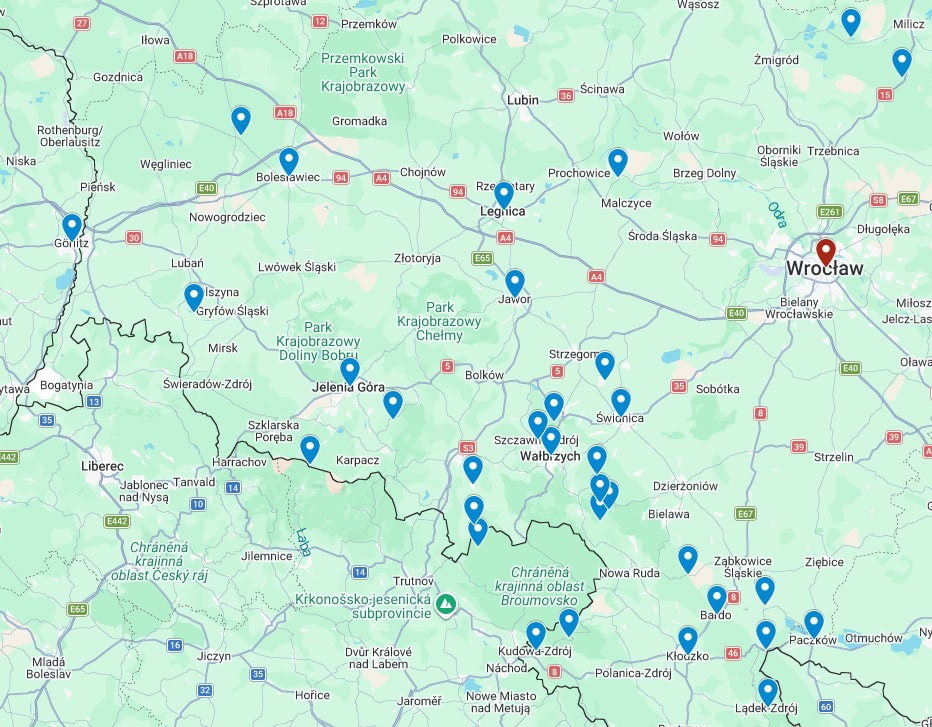
Map of places to visit near Wroclaw
Below, you can see where all the places mentioned in this article are located. Click on the picture to access the map and use it for your travels.
Final thoughts on day trips from Wroclaw
As you can see above, the Lower Silesia region is really packed with attractions, and the convenient location of Wroclaw makes it very easy to visit some of these amazing places. This list is still not fully complete, as you might stumble across even more interesting spots when exploreing Lower Silesia. No matter what you choose and where you go, I’m sure you will enjoy your trip as this part of Central Europe is really unique, beautiful, and fascinating.
As much as I adore Wroclaw, I highly recommend going outside of the city to enjoy more of what Poland and neighboring countries have to offer. You will not be disappointed!
If you found this article useful, I would really appreciate a small donation to help me run this website and provide you with even more practical content to help you plan your trips.
You can also subscribe to my newsletter to get updates on new articles I publish; just click here.
Further reading
I published many articles about Poland that you might find useful when planning your trip there. Here are some of them:
Join my Facebook group about Eastern Europe, the Balkans and former USSR and connect with fellow travellers and enthusiasts of these regions – just click here!
I’ve included a few handy links of services and products I personally like and use so you can plan your own trip to Poland too. They are often affiliate links. This means I will get a small commission if you book/purchase anything through my links, at no extra costs for you. Thank you!
LIKED IT? PIN THIS POST FOR LATER!
If you enjoyed that post why don”t you share it with your friends? That would mean so much to me! Also be sure to join 30.000+ fellow travelers and follow me on Facebook, Twitter, or Instagram for travel updates and even more pictures! If you don’t want to miss new posts sign up to my newsletter or follow on Bloglovin!
Stacie Harris is a local resident and reporter of the Maple Grove area. Stacie reports on medicine and science for the Maple Grove Report.
Manage Consent
To provide the best experiences, we use technologies like cookies to store and/or access device information. Consenting to these technologies will allow us to process data such as browsing behavior or unique IDs on this site. Not consenting or withdrawing consent, may adversely affect certain features and functions.
Functional
Always active
The technical storage or access is strictly necessary for the legitimate purpose of enabling the use of a specific service explicitly requested by the subscriber or user, or for the sole purpose of carrying out the transmission of a communication over an electronic communications network.
Preferences
The technical storage or access is necessary for the legitimate purpose of storing preferences that are not requested by the subscriber or user.
Statistics
The technical storage or access that is used exclusively for statistical purposes.The technical storage or access that is used exclusively for anonymous statistical purposes. Without a subpoena, voluntary compliance on the part of your Internet Service Provider, or additional records from a third party, information stored or retrieved for this purpose alone cannot usually be used to identify you.
Marketing
The technical storage or access is required to create user profiles to send advertising, or to track the user on a website or across several websites for similar marketing purposes.