Where to go in Northern Spain for Unique Travel Experiences


Years ago, my partner and I spent a month travelling in the south of Spain, through the cities and villages of Andalusia, grand in their architecture and soulful in their music. Spain therefore, has always evoked in me images of intricate Arabic design, underground flamenco gatherings and Spanish guitar music spilling out on cobblestoned streets.

Depending on where you’ve been or read about, thinking about travelling in Spain might also conjure up images of its vibrant, busy cities or coastal towns fighting for space on their beaches.

But last month, while travelling on assignment for Spain Tourism, I was introduced to a side of Spain I had no idea existed. In the Spanish Pyrenees and the mountains of Castilla y León, I was surprised to witness spectacular landscapes, isolated valleys and forgotten villages, and centuries of mountain culture and tradition, still preserved. I learnt how conscious travel here can protect living culture, prevent migration to the cities, keep alive stories of love and kindness, revive ancient heritage, restore nature, and inspire a new wave of creativity.

If you ever visit Northern Spain (and you must!), take the time to slow down and connect with these mountain communities. Perhaps through them, you’ll also find a new perspective to view the world today:

Conscious travel in Catalunya

Slow down in an isolated valley with its own language and music!
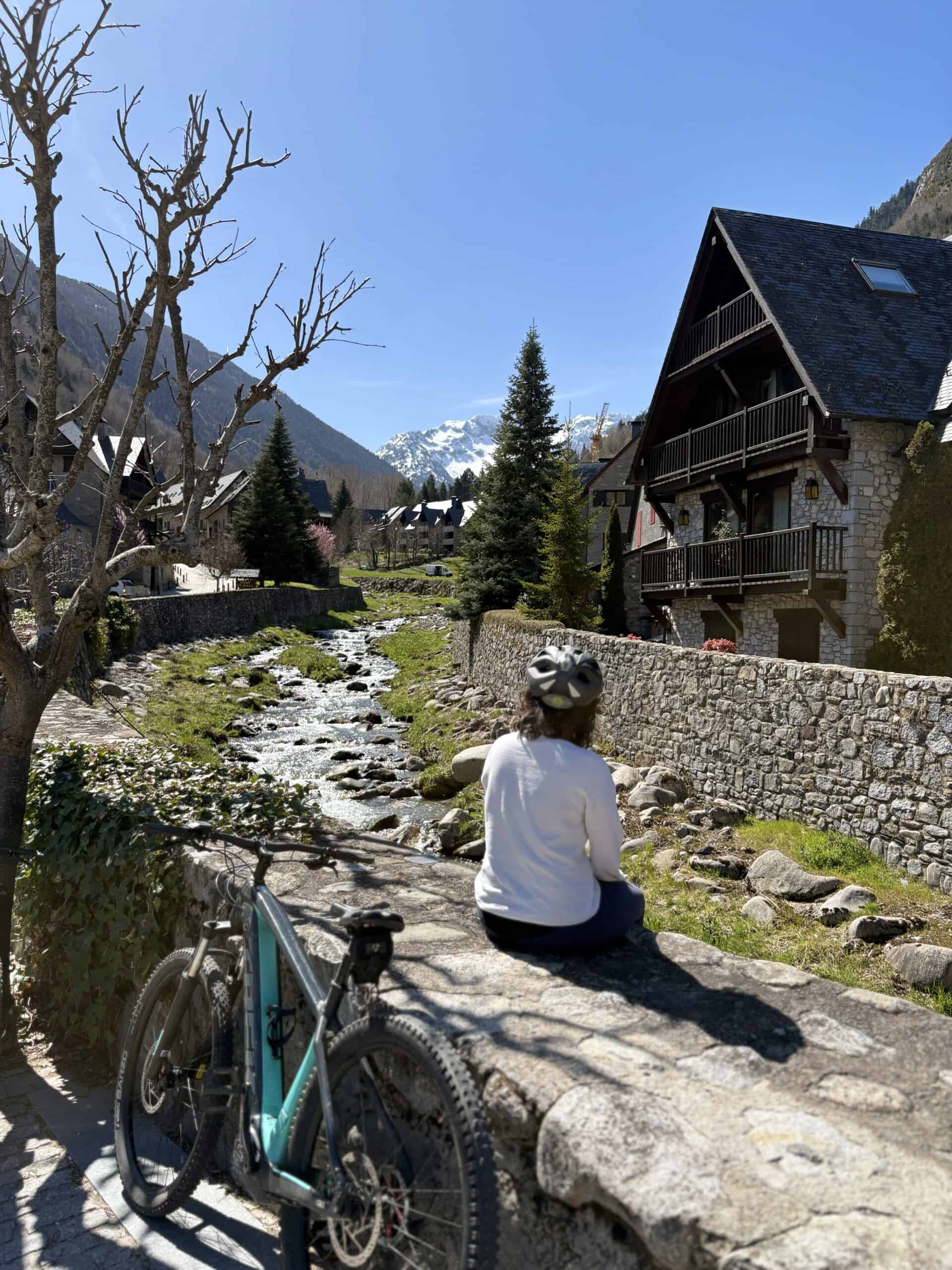
Val d'aran, Arties catalunya
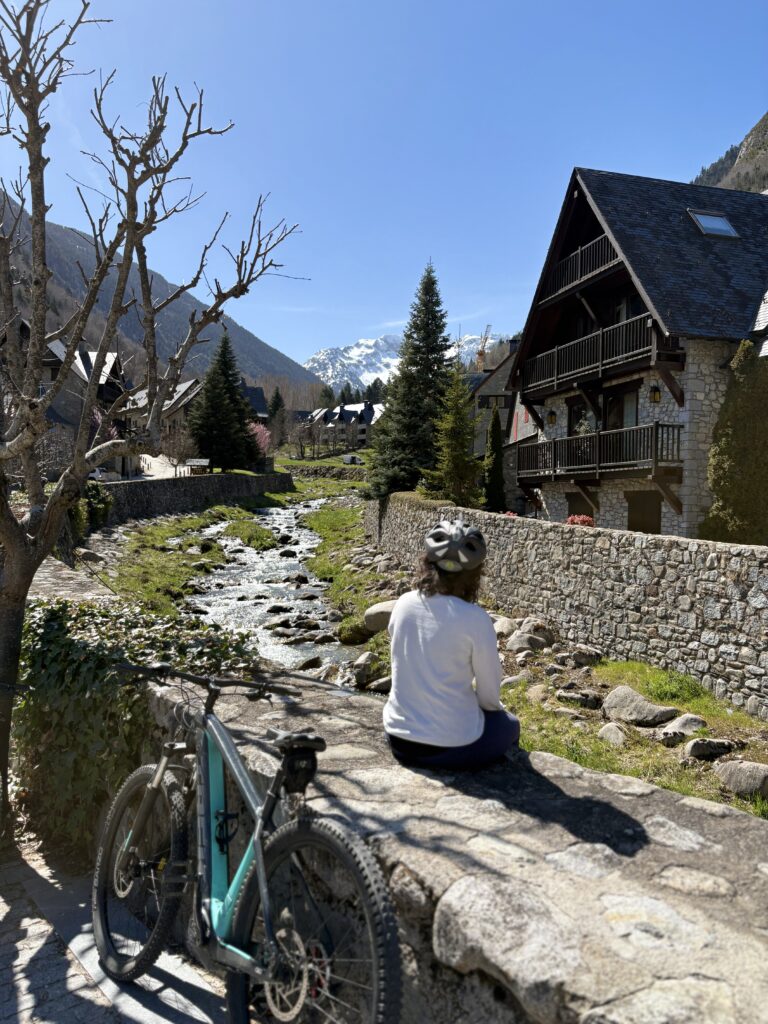
Cycling in Val d’Aran, home to some of the most beautiful towns in northern Spain.

We drove just 3.5 hours from Barcelona (or 5 hours by bus) to arrive in Val d’Aran – a remote valley in the Spanish Pyrenees that became accessible with a mountain tunnel only around 1950. Before that, it remained cut off from the rest of Catalunya, isolated by its high mountains. An ancient shepherd trail had to be walked for days to arrive here. As a result, Val d’Aran developed its own music, culture, governance, architectural style and even language – Aranese!

I remember cycling along its picturesque villages, gushing rivers and ancient Romanesque churches, hearing fascinating stories from my local guide about the folklore and traditions that still inhabit these mountains. On winter solstice, young people still fire up wooden torches and run down the mountain in a centuries-old tradition, to usher in the light of longer days.

TIP: Stay at Parador de Arties with heritage 15th century architecture, in the scenic village of Arties. Also check out Hotel Nau Iori in Vielha, a small, eco-friendly hotel with solar energy and vegan-friendly, organic food.

Also read: A Mi Amada – A true love story from the Spanish Pyrenees

Witness the mindblowing digital restoration of a 12th century Romanesque church
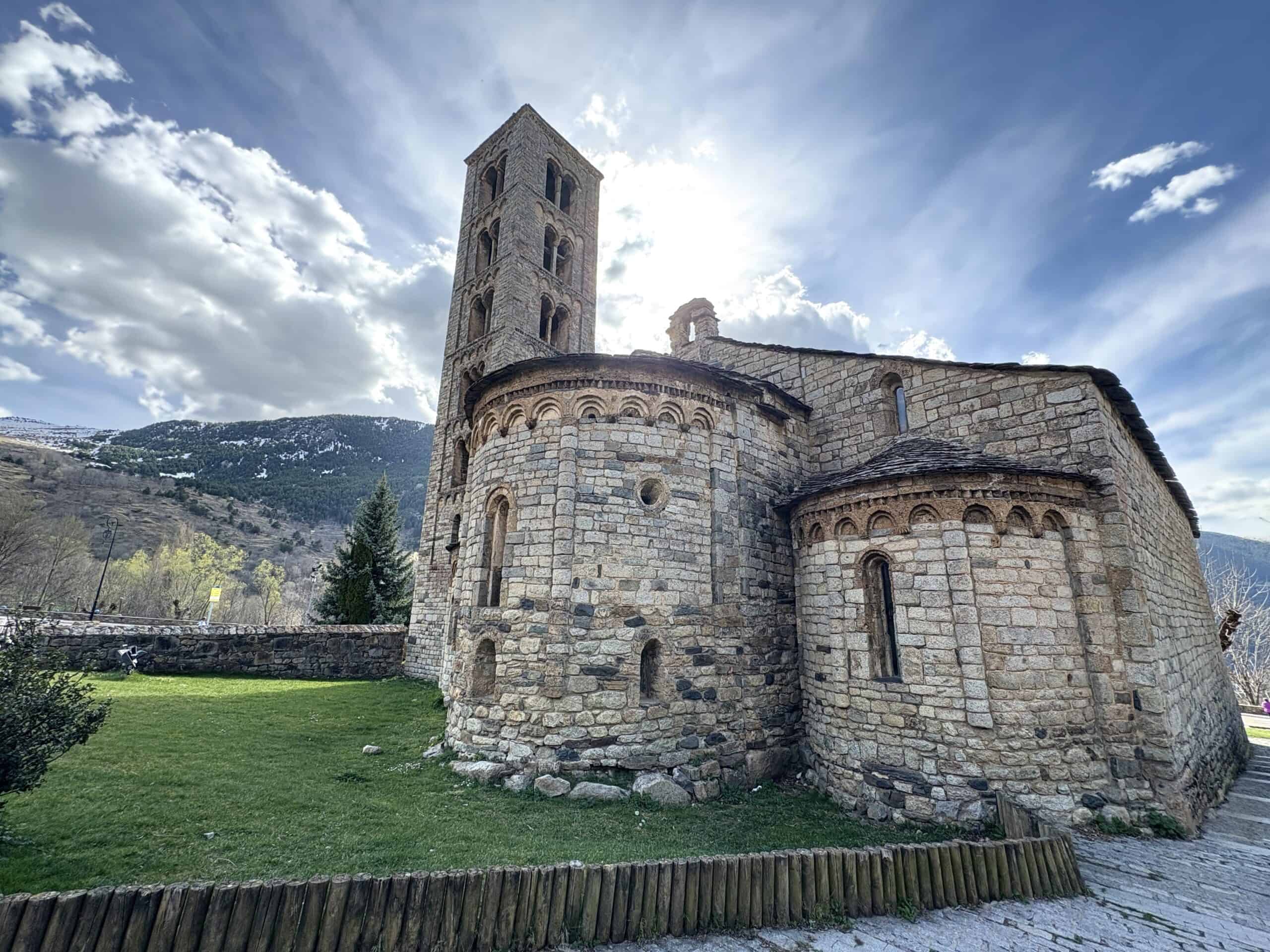
Vall de Boi churches
The restored 12th century stone church of Taüll.

Visiting UNESCO World Heritage Romanesque churches built between the 12th and 15th centuries in the dreamy stone villages of Vall de Boi, in the backdrop of snow-dusted peaks and spring wildflowers was magical enough. But what lay inside blew my mind.

Back in the 1100s, in the granite Church of St. Clement in Taüll, artists created fresco paintings on the walls using natural pigments – lime and chalk for white, mineral charcoal for black, iron oxides found in the Pyrenees for yellows and browns, vermillion for red. But about a 100 years ago, crafty businessmen found a technique to transfer the paintings from the walls onto linen, and sell these stolen treasures to private collectors across Europe and the US!

It hasn’t been possible for the church to buy back the paintings, but in 2013, visual artists from Catalunya painstakingly used technology to recreate the lost paintings, pixel by pixel. I was mindblown to witness this video mapping tech project the paintings back on the ancient church walls, recreating a glimpse of its original grandeur – and felt convinced that technology has such a significant role to play in restoring living (stolen) heritage!

TIP: Get a combined ticket to visit multiple Romanesque churches in the valley.

Also read: First Time to Spain? 10 Travel Tips to Plan Your Trip

Learn about life and traditions in the Spanish Pyrenees in an eco-museum
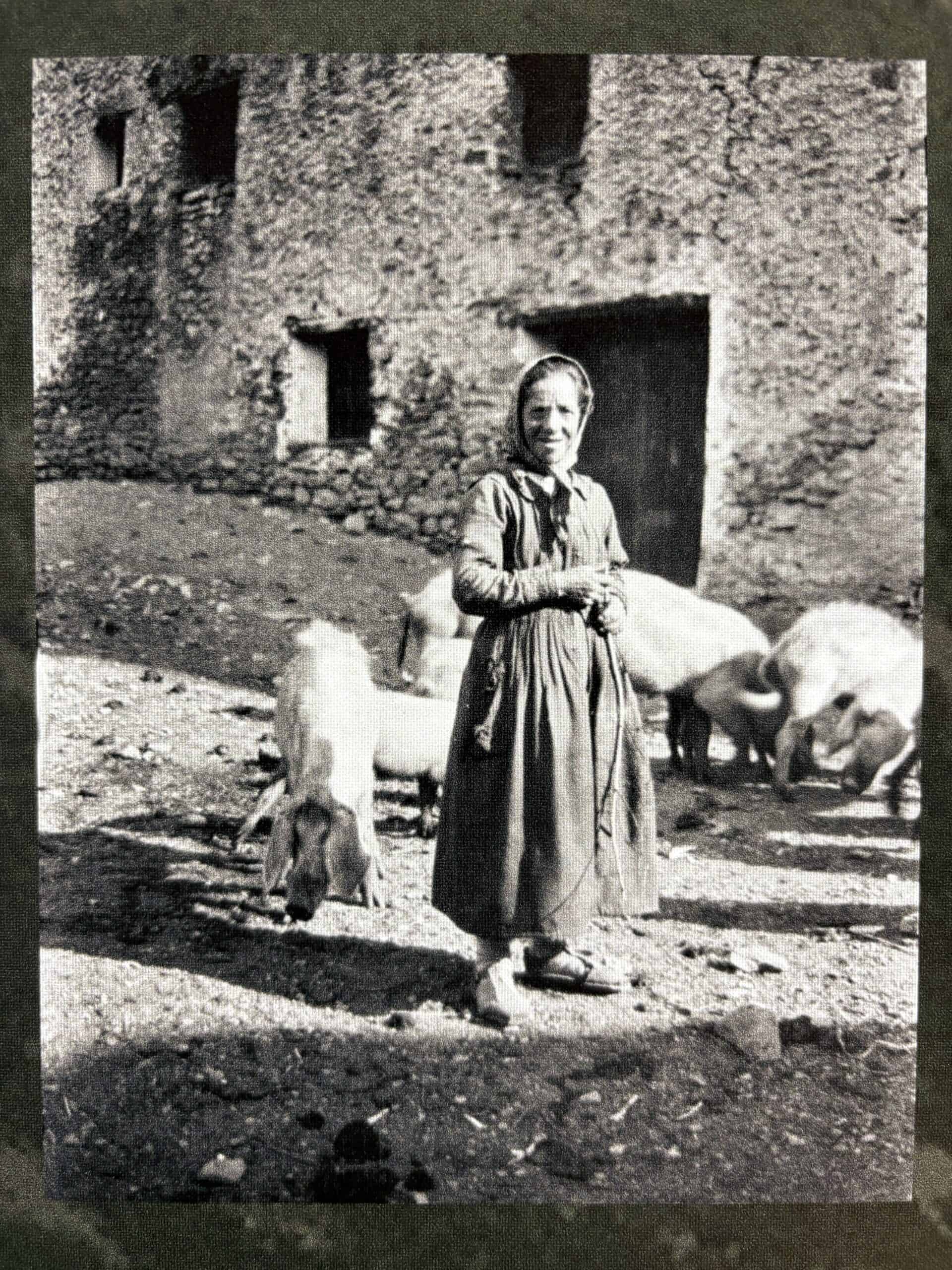
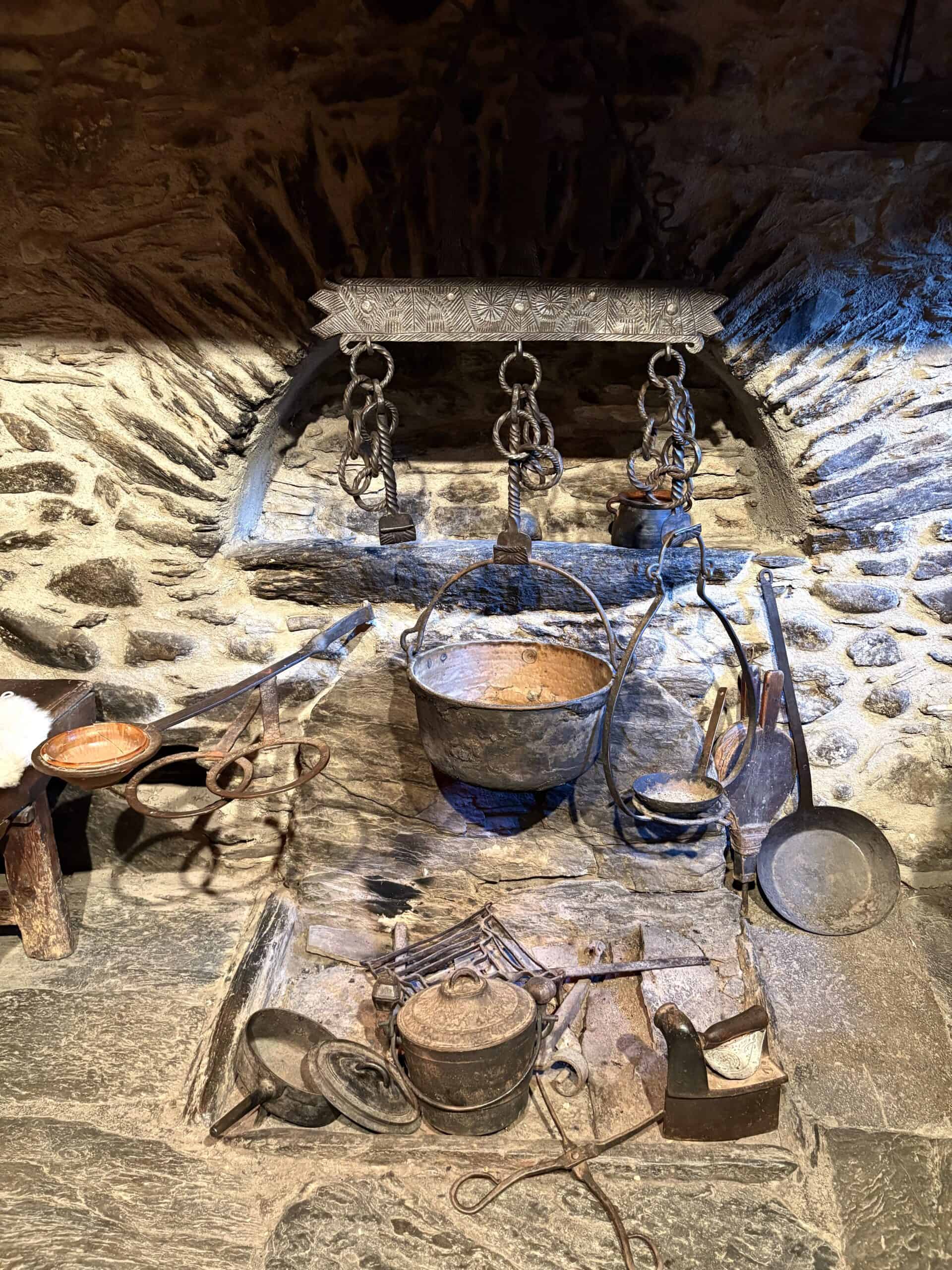
In the little village of Esterri Aneu, Casa Gassia – a traditional house from the 18th century with no inheritors – was converted into an eco-museum preserving the way of life in the Spanish Pyrenees 100+ years ago. Think charcoal bedwarmers, priced possessions during the era of transhumance when nomadic shepherd walked across these mountains and valleys with flocks of sheep, and basic kitchens with stone sinks and clay utensils.

I was surprised to find how much this forgotten way of life, now confined to a museum in the Spanish Pyrenees, resembles contemporary life in the Indian Himalayas. At the end of the eco-museum tour, our passionate guide sat us down to explain how marriages were once arranged in these villages, with parents and grandparents dictating who their daughters must marry! It seemed unthinkable that we still live that reality in India.

Also read: How Croatia Compelled Me to Rethink Travel Blogging

Raft down the ancient river trading route of a Pyrenees community
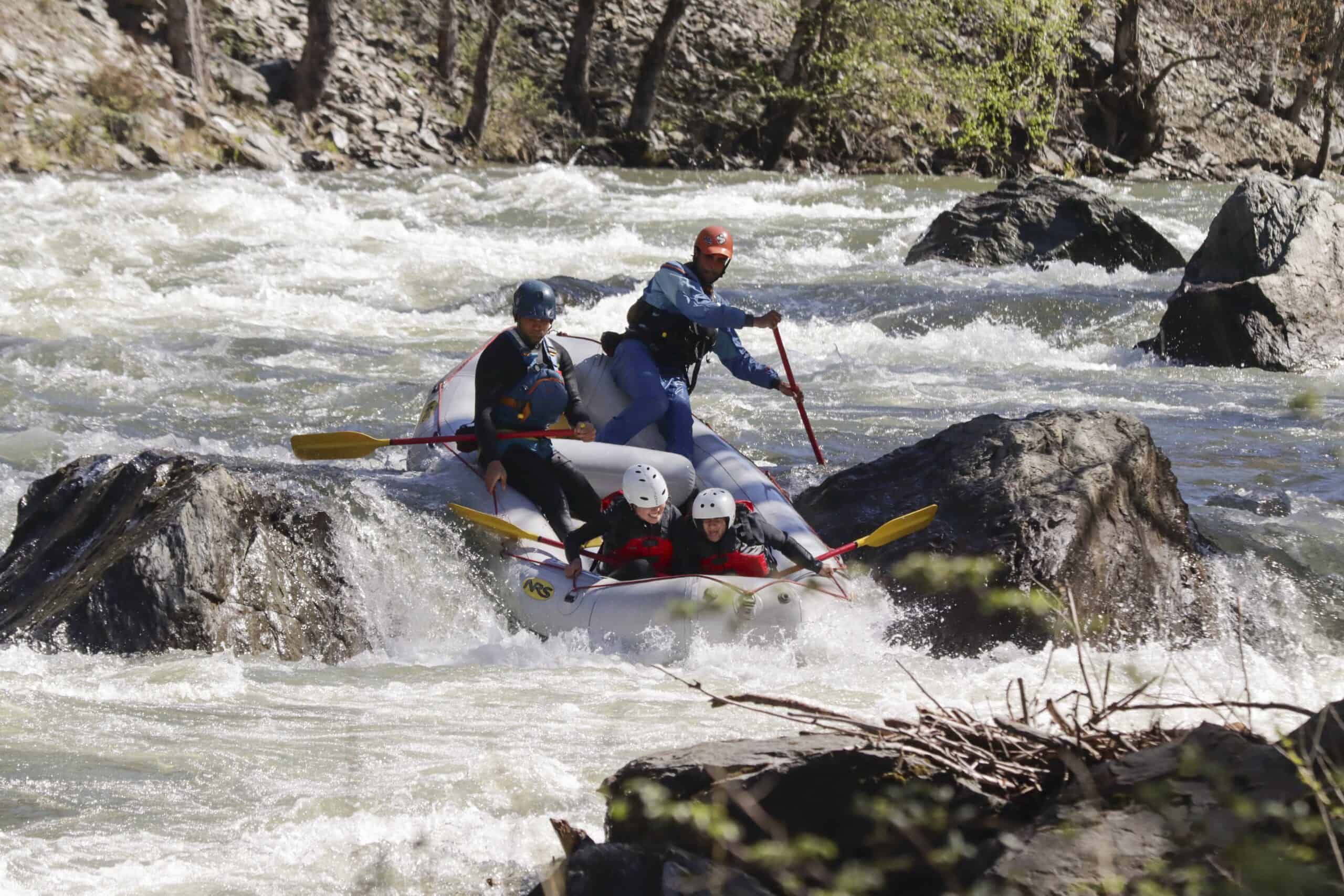
sort rafting
Rafting down the Noguera Pallaresa River in Sort.

A scenic train and bus ride away from the historic Spanish city of Lleida, the spectacular Noguera Pallaresa River once formed the ancient timber river trading route for mountain communities in the northern region of Spain. It offers a different sort of river adventure today.

We wore wet suits on a (luckily) sunny spring morning, boarded an inflated raft on the chilly river water, and slowly paddled downstream, surrounded by rugged mountains and dense forests. Then the rapids picked up, the river threw us into whirlpools, the cold water splashed over our faces and hair, and the thrill of the adventure soaked our souls!

My last memory of river rafting is as a teen on a school trip in Rishikesh, when the freezing water of the Ganga turned my lips blue. I wasn’t too excited at the idea of river rafting in the cold mountains again, but it turned out to be an experience to remember.

TIP: Stay at the heritage 17th century convent Parador de Lleida; have lunch at Teresa Carles, an incredible, women-owned, vegan-friendly restaurant!

Also read: A Slow ‘No Fly’ Journey from Switzerland to the Lofoten Islands, Norway!

Walk amid twisted rivers on a 7000-year-old shepherd trail
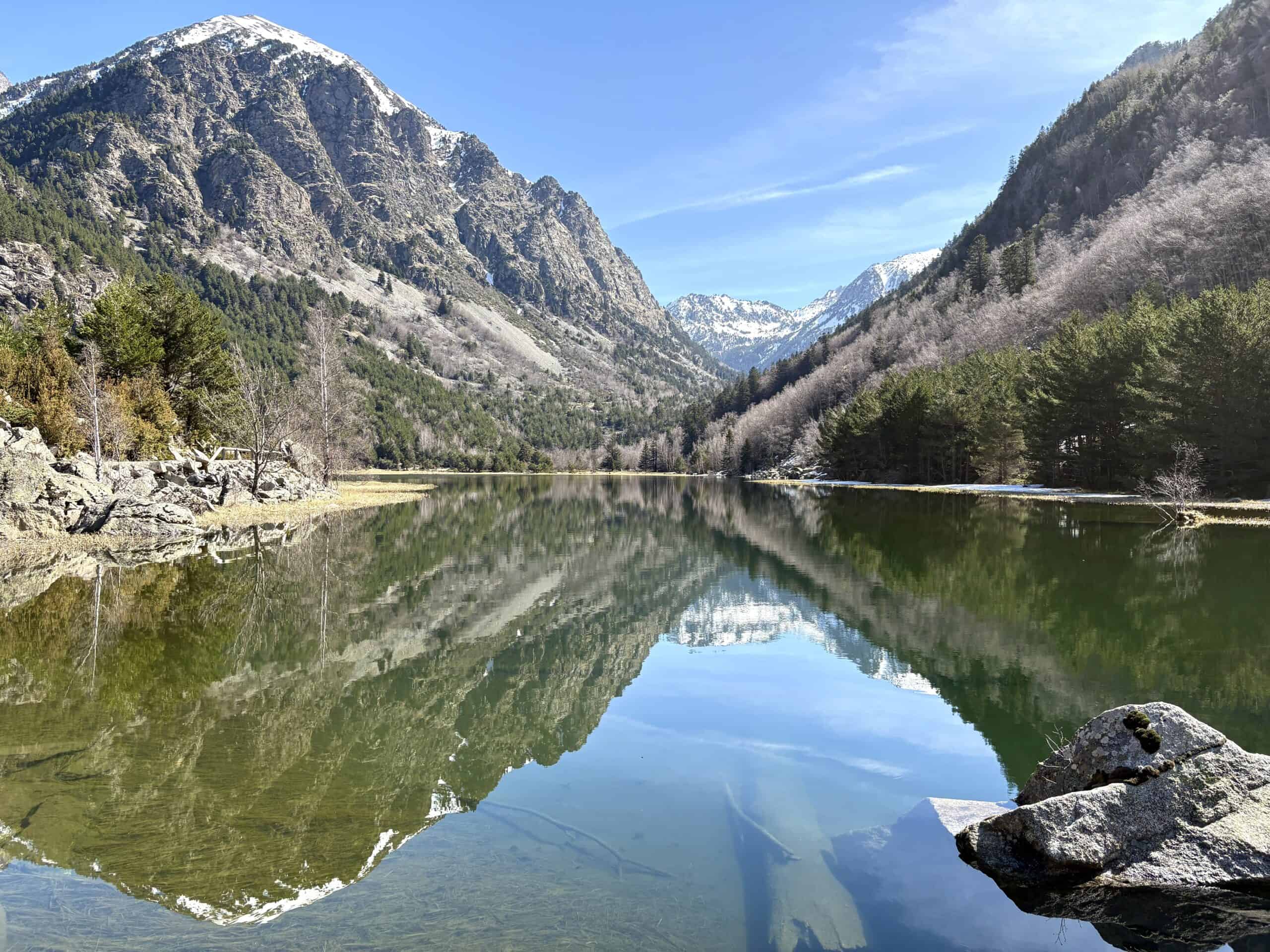
hiking Aigüestortes i Estany de Sant Maurici National Park
Where to go in northern Spain? Hike in Catalunya’s only national park.

In Aigüestortes i Estany de Sant Maurici National Park, we hiked up a gorgeous mountain trail that local shepherds have used for nearly seven centuries – along a meandering river, roaring waterfall, vultures circling above, the reflection of snow-capped peaks in the crystal lake waters below.

This is Catalunya’s only national park, home to 200+ glacial lakes and stunning 3000m mountain peaks, but perhaps what makes it most unique are its ‘twisted rivers.’ In the flat parts of this Alpine terrain, the rivers cut across pine and fir forests, creating surreal braids of streams aka twisted rivers. What I loved even more is that a circular boardwalk makes this spectacular natural wonder accessible to people of all abilities.

TIP: Cars are not allowed in the national park, but you can take a shared 4×4 taxi for 5.75€ per person per trip to get there.

Also read: Away From the Crowds: 11 Offbeat Places in Europe Waiting to be Explored

Conscious travel in Castilla y León

Walk one of the most stunning stretches of the Camino de Santiago

Camino de Santiago
Walking a short stretch of Camino de Santiago, near Cruz de Ferro.

I’ve been lucky enough to do some spectacular hikes in Europe and beyond, but the Camino de Santiago felt so different. I walked only a short stretch on the Camino Frances, but I quickly felt like it wasn’t just a solo hike. I crossed paths with people from different places – Andorra, Korea, Netherlands, Spain – each of us carrying our own physical and mental loads. I chatted with some and walked silently along some.

Even if you have just a day or two to spare, walk this pilgrim trail from Cruz de Ferro to El Acebo or Molinaseca. Over just a few kilometers, I experienced snow, mist, a light drizzle, a rainbow, wildflowers, snow-dusted mountains, frosted Alpine vegetation, stunning stone and wood villages, and kind-hearted locals and pilgrims.

I also learnt that many remote villages sustain their economies entirely because of pilgrims walking this trail, running rural BnBs and small cafes. This allows them to live close to nature in their ancestral homes, without having to migrate to the city to find a source of income.

TIP: Stay at Casa Rural Pajarapinta in Molinaseca, a welcoming family-run rural BnB.

Also read: Walking a 1000-year-old Pilgrim Trail Through the Italian Alps

Re-examine life at a living 10th century monastery

San isidro leon
Historic corridors of the San Isidro monastery in Leon.

I did a long train journey from Lleida, via Madrid, to León, and was surprised to arrive at Real Colegiata de San Isidoro at night. This is no regular hotel. It’s a living Christian monastery dating back to the 10th century – now part hotel, part museum and part living quarters of a small handful of monks!

I walked down its ancient corridors with monastery paraphernalia still adorning its walls, slept in what was once a cell for the monks, and started my mornings with breakfast in its historic cloister. Though now a luxurious abode, looking out my window over the ancient walls that were once the refuge of monks alone, made me contemplate the transient nature of life and the places we call home.

Also read: How I Used HomeExchange to Experience Europe Like a Local

Draw inspiration from Guadi’s world (and mind) at his earliest creations
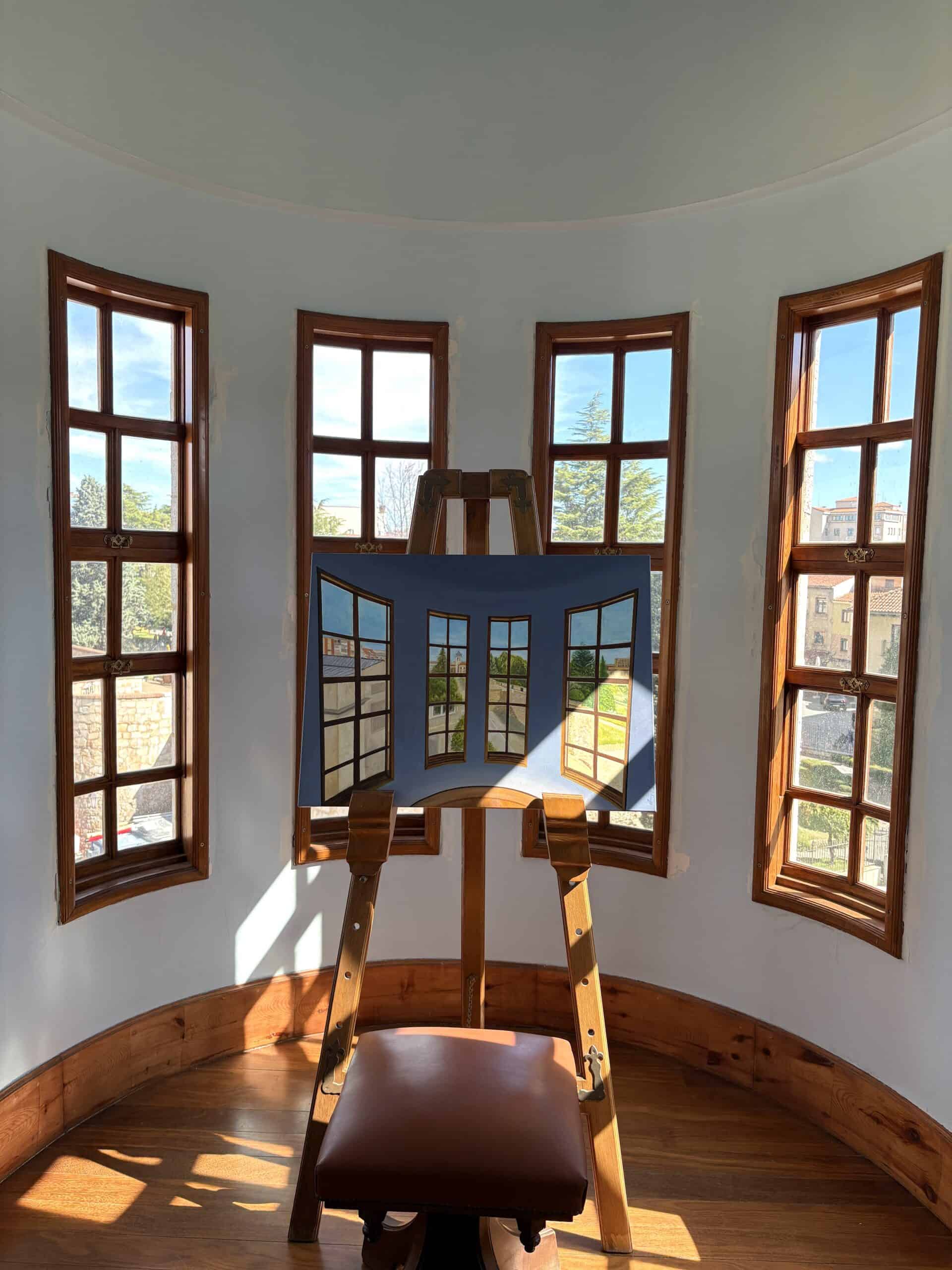
Casa botines Leon
Little touches in Guadi’s oldest works in León.

As someone interested in the evolution of creative people, I was really fascinated to visit some of Antoni Gaudi’s earliest creations – Casa Botines in León, and the Palace of Astorga in the nearby town of Astorga. Long before his rise to fame as the architect behind the grand Sagrada Familia, he designed a residential stone building in León, the ground floor of which was for a tailoring company. This heritage building resembles a castle in a fairytale and is said to have inspired Disneyland, but it was the little touches within that I fell in love with, like a wood and glass cove in every apartment for street watching and ‘to be seen.’

Whether or not you’re interested in architecture, stepping into Gaudi’s earliest creations is a reminder of how our creativity can challenge the status quo, no matter when or where we’re born!

TIP: Experience life in a different era at the restored 12th century convent, Parador de Leon.

Also read: What Indian Cities Can Learn About Green Tourism from Copenhagen

Hike in the spectacular Picos de Europa National Park
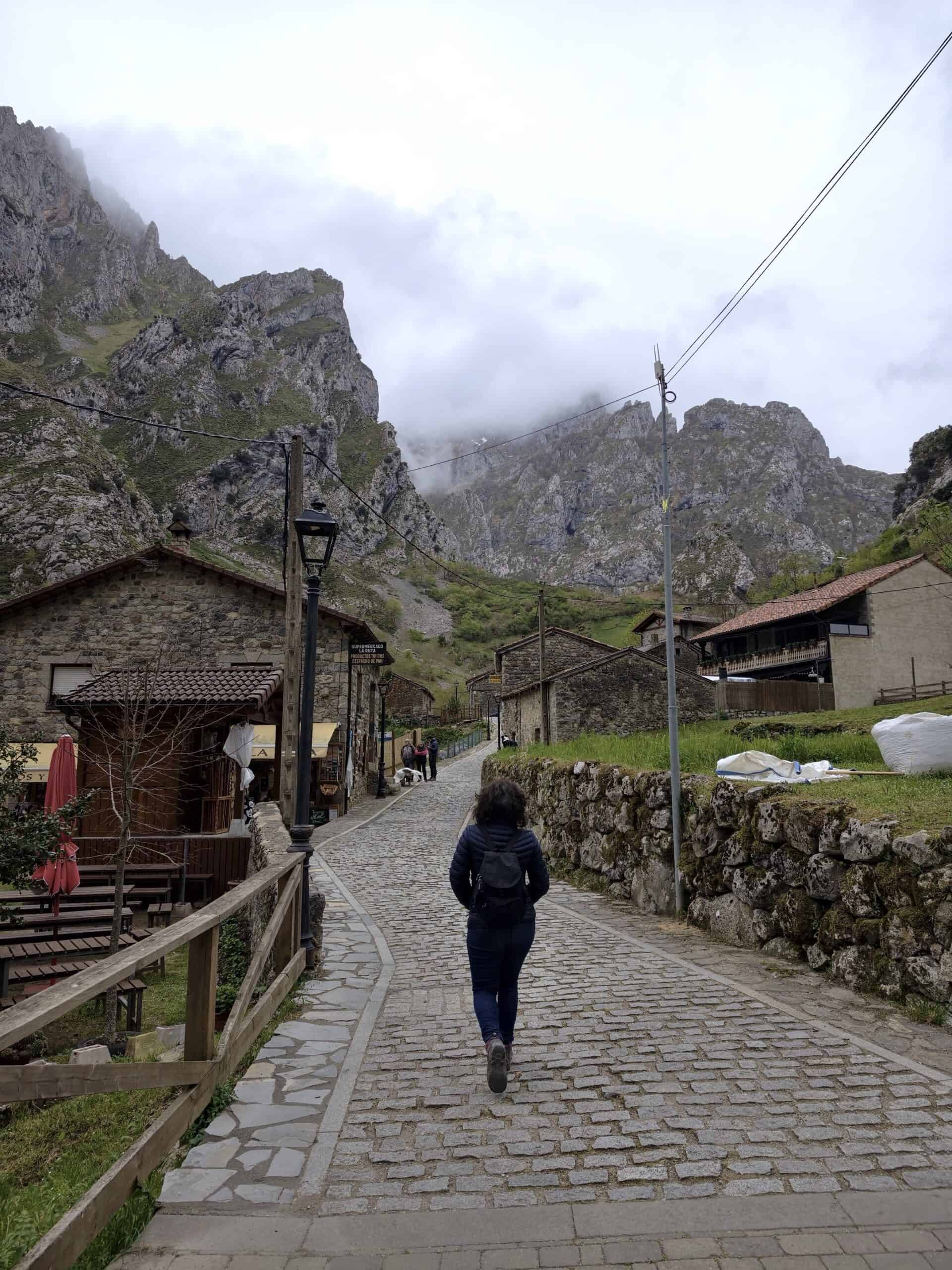
Picos de Europa national park
Timeless villages in the Pico de Europa National Park, one of many hidden gems in northern Spain.

I felt in awe as we drove out of León city into the Cantabrian mountains. Just an hour or so away, the landscape transformed into jagged limestone mountains, rolling meadows, river gorges and timeless stone villages. In the Picos de Europe National Park, I did short hikes along a glacial lake, into a forest with an abandoned chapel and to an old bridge straddling a gorge high above the river. We chanced upon a cryptic contraption once used by the local community to chase wolves away from livestock!

This was Spain’s first national park, and I can’t wait to return someday to do a circular hut-to-hut hike, wake up to a sea of clouds, and have that ‘end of the world’ feeling.

TIP: Experience some of the region’s most incredible natural wonders with WildWatching Spain.

Also read: The Swiss Alps on an E-bike: 385 Km, 7 Alpine Passes, 6 Days!

Soak in the magnificence of one of Europe’s largest stained-glass window collections in a 13th century cathedral
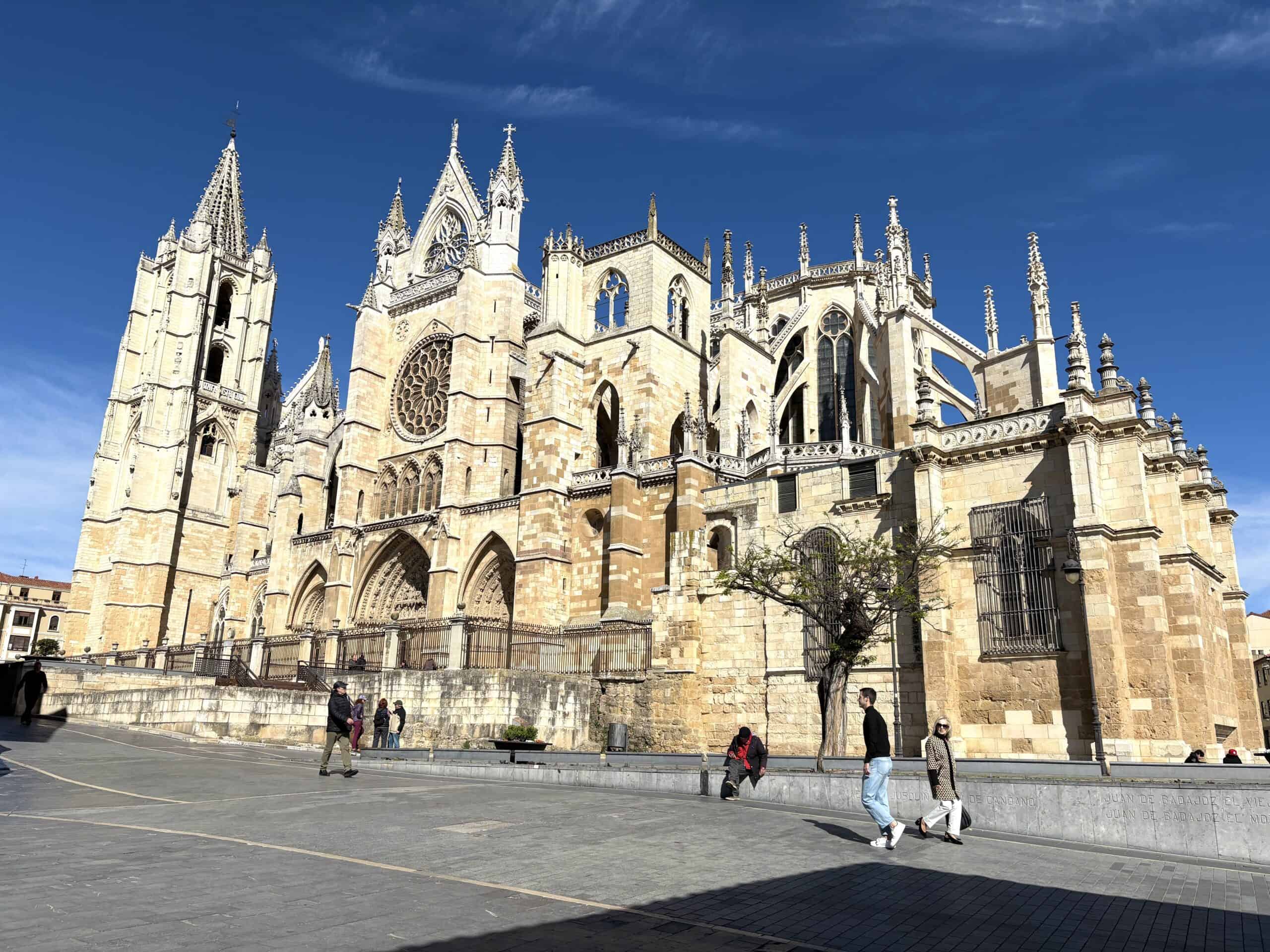
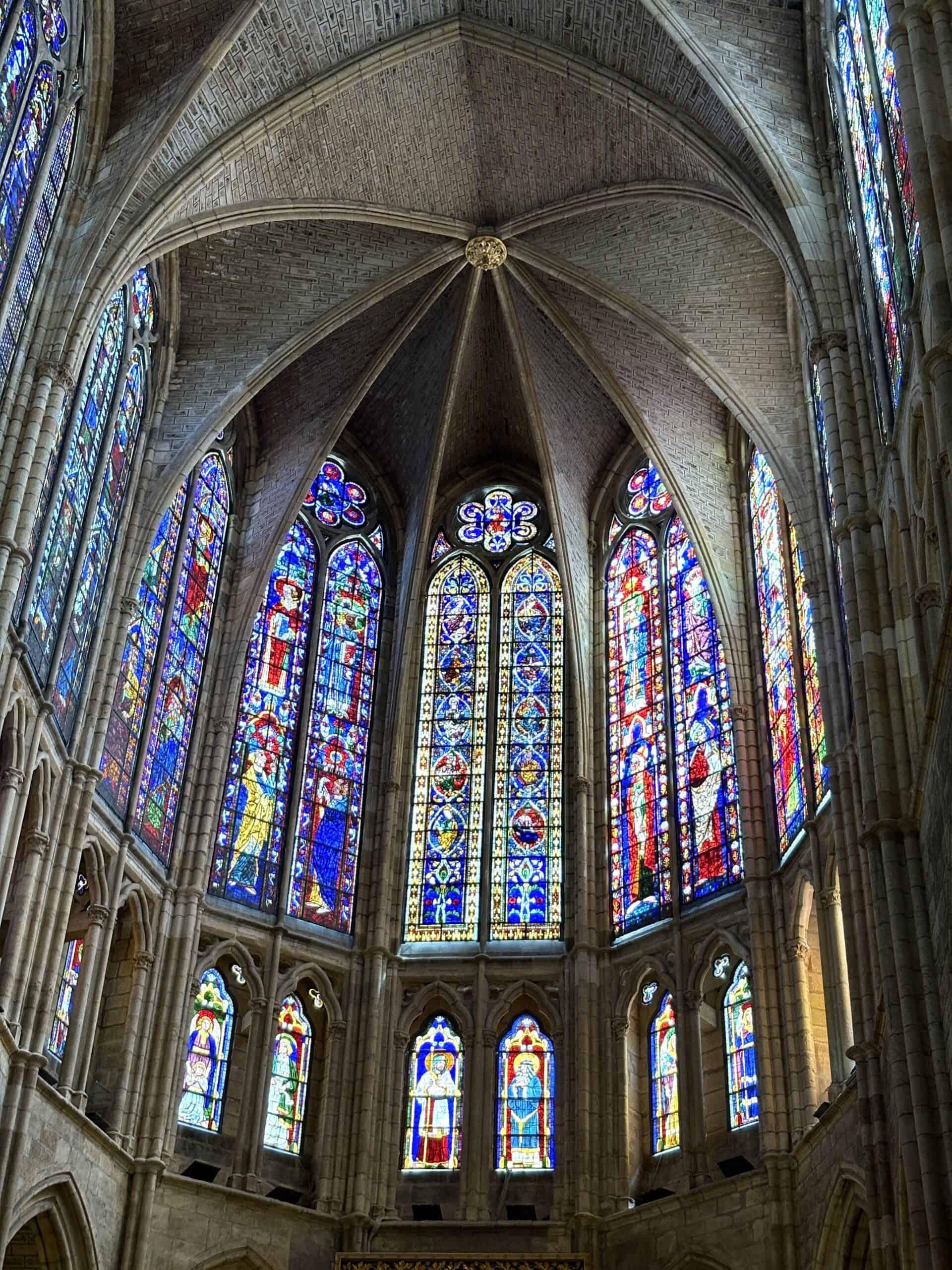
My first impression of the city of León is witnessing the incredible gothic León Cathedral at night. Its grand facade, lit up by night lights, is something else. But what is even more awe-inspiring is the spectacle that awaits within its walls. On a late morning, I found myself surrounded by warm sunlight lighting up the stained glass windows covering its high walls – such a magical feeling!

I learnt that the cathedral is currently in the midst of El Sueño de la Luz (the dream of light) – a long term restoration effort to clean the stained glass windows, replace their iron frames with non-rusting brass and add a protective layer for air circulation to make it adaptable to varying weather conditions. This costs 5000 Euro per square meter, paid for entirely by tourism; a reminder of how tourism can help protect our cultural heritage.

TIP: I highly recommend my local guide Blanca for all things León!

What would you most like to experience in Northern Spain?


Source link

Leave a Reply

Subscribe to Our Newsletter

Get our latest articles delivered straight to your inbox. No spam, we promise.

Recent Reviews


Paid campaigns can bring players fast. SEO builds a channel that keeps working after the campaign ends.

That matters in iGaming. The market is large, competitive, and tightly regulated. In the United States, brands also face a fragmented market: rules, licensing, product availability, payment options, and advertising limits can change by state. That makes SEO more than a traffic channel. It becomes a way to match the right player with the right market, page, and offer.

Players are already online, searching, comparing, and choosing. They look for bonuses, odds, casino reviews, payment methods, withdrawal speed, licensing, app quality, and game types. SEO helps brands meet that demand with useful pages. iGaming link building helps those pages earn authority and compete in search results where every serious operator wants visibility.

The goal is not a brief spike in traffic. The goal is long-term player acquisition: rankings that hold, pages that answer real questions, and links that build trust instead of noise.

a man wearing headphones sitting in front of a computer
Source: Unsplash+

Why iGaming Brands Need Organic Acquisition That Lasts

iGaming is not only a traffic market. It is a trust market. A player does not simply ask, “Where can I play?” The player also asks, “Is this site safe?” “How fast are withdrawals?” “What are the terms?” “Can I use this payment method?” “Is this brand allowed in my location?” Those questions create search demand before a registration ever happens.

SEO gives brands a way to capture that demand without paying for every visit. A paid campaign stops when the budget stops. A strong organic page can keep bringing qualified users as long as it stays useful, compliant, and competitive.

Paid advertising also has limits. Google requires certification for many gambling-related ads, and advertisers must meet country-specific licensing or authorization rules. Google also says uncertified gambling ads may be blocked until certification is granted.

Regulation adds another layer. Gambling ads must be socially responsible and follow advertising rules. Operators may also carry responsibility for marketing done by third parties, including affiliates.

SEO does not remove those duties. It helps teams build cleaner acquisition paths: clear pages, accurate claims, responsible language, and content that helps players make informed choices.

How SEO Captures Players Across the Full Journey

Search behavior in iGaming runs from curiosity to action. Players search before they choose a brand, while they compare offers, and after they return to learn more. They look for game rules, betting explanations, app details, payment options, withdrawal policies, licensing information, and comparisons. Each query shows intent. Good SEO turns that intent into a useful page.

At the top of the funnel, brands can answer educational searches such as how betting odds work, roulette rules, or safe online casino. These pages may not convert every visitor right away. Their job is to build trust and introduce the brand early.

In the middle of the funnel, comparison content matters. Players want to understand differences between bonuses, platforms, apps, payment methods, and game types. A useful comparison page explains criteria. It does not just push a sign-up button.

At the bottom of the funnel, SEO supports high-intent pages: geo landing pages, payment pages, app pages, bonus pages, and registration pages.

Google’s guidance favors content that is helpful, reliable, original, and made for people. It asks whether content offers original information, complete coverage, and meaningful value beyond copying or rewriting other sources. That standard fits iGaming well. Players need clarity before they act.

Technical SEO Gives iGaming Content a Foundation

Strong content needs a site that search engines can crawl, understand, and index. It also needs a site that players can use without friction. In iGaming, technical SEO is not background work. It affects trust, usability, and conversion.

The basics matter. Pages should load fast. The site should work well on mobile devices. Important pages should not be blocked by robots.txt or meta robots. Duplicate pages should use canonical tags where needed. The sitemap should help Google find the pages that matter. URLs should be clean, readable, and tied to the page topic.

Security matters too. A gambling site handles sensitive user actions. HTTPS is not optional. It helps protect users and supports trust before registration or deposit.

Structured data can also help search engines understand the site. Useful markup may include Organization, BreadcrumbList, FAQPage, and Article where appropriate. These elements do not replace good content, but they make the site easier to interpret. A licensing page, responsible gambling page, and clear company information also support the trust layer that iGaming brands need.

Core Web Vitals deserve steady attention. Slow loading, unstable layouts, and clumsy interaction hurt the user before the page has a chance to persuade. Technical SEO should therefore sit beside content and links, not behind them.

Useful SEO Assets for iGaming Acquisition

The best iGaming SEO programs build a library, not a pile of landing pages. A brand needs content for different questions and different levels of intent. Commercial pages matter, but they are stronger when supported by helpful, trust-building content.

Strong assets include:

  • Game guides that explain rules, odds, and player choices
  • Payment method pages that explain deposits, withdrawals, speed, and limits
  • Responsible gambling pages that show care and clarity
  • Licensing and safety pages that reduce doubt
  • Bonus explainers that clarify terms and conditions
  • Local or geo pages that match market-specific search intent
  • Sports data or event hubs tied to recurring demand

These assets also make internal linking more useful. A guide on how odds work can link naturally to sportsbook pages. A payment guide can support casino and app pages. A responsible gambling resource can strengthen trust across the site.

This structure matters because iGaming search results are highly commercial. Money pages alone often look thin or aggressive. Informational assets give the site more topical depth and create safer places to earn links. They also help users who are not ready to register but may return later.

Geo SEO Helps Brands Match the Right Player to the Right Market

iGaming is shaped by location. A page that works in one market may not work in another. Rules, language, currency, payment methods, licensing, bonus terms, and product availability can all change by region. A strong SEO strategy reflects that reality.

Geo pages should be useful, not copied templates with a city or country name swapped in. Each page should explain what players in that market need to know: whether the product is available, what terms apply, what payment methods are relevant, what age restrictions apply, and where trust information can be found.

For multilingual or multi-market sites, hreflang can help Google understand which version of a page belongs to which audience. It is not a compliance tool and does not restrict access. It simply helps search engines serve the right page to the right user.

Localization also affects links. A backlink from the right region, language, and topic often makes more sense than a stronger-looking link from an unrelated market. This is where iGaming link building becomes precise. The goal is not just authority. The goal is authority in the right market.

Good geo SEO reduces confusion. It also lowers the risk of sending players to pages that do not match their location, product access, or expectations.

Why Link Building Still Matters in iGaming SEO

Links help search engines discover pages and understand how pages relate to one another. Google says links help it find new pages. Google also says anchor text helps users and Google understand the linked page. Google’s Search guidance also says links or references from prominent websites can be one signal that information is trustworthy.

That matters in iGaming because the search results are crowded and commercial. Many brands target the same bonus, casino, sportsbook, payment, and app queries. A useful page still needs enough authority to compete.

Available SEO data supports the same direction. One analysis of 11.8 million Google results found that overall link authority correlated with higher rankings, and that the number one result had 3.8x more backlinks on average than positions two through ten. Another source reported that pages ranking number one had over 200 referring domains on average, while pages ranking number ten had fewer than 80.

These findings are correlations, not proof that links alone cause rankings. They still show a practical reality: competitive pages often have stronger backlink profiles. For iGaming brands, link building is not a side task. It is part of how useful content earns the authority to be seen.

What Makes an iGaming Backlink Valuable

A strong iGaming backlink needs more than a metric. It needs context. The link should come from a page that makes sense for the topic. A sportsbook page may fit within sports, betting education, entertainment, technology, or local media content. A casino payment guide may fit within content about online payments, finance, or digital services. The link should feel useful to the reader.

Three qualities matter most:

  1. Topical relevance
  2. The linking page should connect to gambling, sports, finance, entertainment, technology, payments, local markets, or another logical area.
  3. Trust
  4. The site should look real, maintained, and editorially coherent. It should not look built only to send outbound links.
  5. Risk control
  6. Anchor text, link velocity, and placement patterns should look natural. Repeating exact-match commercial anchors creates risk.

Serpzilla fits this workflow when teams need to filter opportunities by niche, geography, language, SEO metrics, placement type, relevance, region, and category. The platform’s own materials describe these filters and placement options, including guest posts, niche edits, contextual backlinks, rental backlinks, sitewide backlinks, guest posts, and link insertions.

The tool does not replace judgment. It helps teams narrow the field so the final choice can be deliberate.

The Right Way to Use Links for Long-Term Growth

A long-term link strategy should not point every link at bonus and sign-up pages. That pattern is narrow and too commercial. A stronger approach builds links into pages that deserve citations: guides, explainers, payment resources, responsible gambling pages, local information, and other useful assets. Those pages can then support commercial pages through internal links.

This structure looks more natural. It also helps users. A player reading a withdrawal guide may be closer to registration than a player reading a basic game guide. Both pages can support acquisition, but they do different jobs. One removes friction. The other builds familiarity and trust.

Anchor text needs the same care. Branded, URL, generic, and partial-match anchors should dominate. Exact-match commercial anchors can appear, but they should be used sparingly. A backlink profile full of phrases like “best online casino bonus” can look forced. A profile with branded anchors, page titles, plain URLs, and relevant partial matches looks closer to how the web normally works.

Google’s spam policies are clear. Buying or selling links for ranking purposes, excessive link exchanges, automated link creation, low-quality directory links, keyword-rich links in distributed content, and advertorial links that pass ranking credit can qualify as link spam. Google also says paid or sponsored links are not a violation when properly qualified with rel=”nofollow” or rel=”sponsored”.

Link Risk Control Should Be Built Into the Process

In iGaming, link building needs guardrails. The wrong links can create risk faster than they create growth. A clean process protects the site while still helping it compete.

Teams should avoid patterns that look manipulative. That includes hidden links, doorway pages, thin affiliate-style pages, aggressive link exchanges, irrelevant placements, repeated exact-match anchors, and sudden unnatural spikes in referring domains. These tactics may look efficient at first. They often create problems later.

A safer process starts with review. Before placing or approving a link, check the page topic, site quality, language, region, outbound link behavior, and anchor text. Then check whether the link target makes sense. A trust page, guide, or payment resource will often be a cleaner destination than a hard commercial page.

After links go live, teams should keep watching the profile. A regular backlink audit helps find suspicious domains, irrelevant placements, broken links, and anchor patterns that are becoming too narrow. If harmful links appear, the first step is to assess them carefully. Not every weak link needs action. But repeated, manipulative, or clearly irrelevant patterns should be handled before they affect performance.

Risk control is not separate from link building. It is part of doing the work well.

iGaming SEO Requires Compliance-Aware Content

iGaming content carries more risk than ordinary commercial copy. A weak product page is one problem. A careless gambling claim is another. SEO teams must write for search, but they also have to respect responsible marketing standards.

Content should not imply that gambling solves financial problems, improves status, or provides emotional escape. It should not exploit children, young people, or vulnerable people. It should not hide important terms behind polished language. Bonus pages need special care because players should understand what they are being offered before they act.

The same care applies to affiliates and partners. Gambling businesses may be responsible for breaches by affiliates in direct marketing and must manage risks involving self-excluded customers.

Practical checks should include:

  • Is the page aimed at a legal market?
  • Are age restrictions clear where needed?
  • Are bonus terms accurate and visible?
  • Are licensing claims correct?
  • Is responsible gambling messaging present?
  • Are affiliate or commercial relationships disclosed where required?
  • Does the page avoid claims that overpromise outcomes?

This is not legal decoration. It is part of trust. Players who understand the offer are more likely to view the brand as credible.

Trust Signals Turn SEO Traffic Into Player Confidence

Organic traffic has little value if players do not trust the page they land on. In iGaming, trust signals should be easy to find and easy to understand. Do not make players hunt for basic information.

A strong site should show licensing information clearly. It should make responsible gambling resources visible. It should explain bonus terms in plain language. It should give users access to privacy information, terms, contact details, age restrictions, and market availability. These details are not filler. They reduce doubt at the moment when a player is deciding whether to continue.

Trust also depends on design and UX. Registration forms should work on mobile. Buttons should be easy to tap. Text should be readable. Important details should not hide in small print or behind confusing navigation. If the page feels vague, slow, or evasive, the player has little reason to stay.

This is where SEO and conversion work meet. A page may rank because it covers a topic well. It converts because it gives the player enough confidence to act. In a regulated market, that confidence comes from clarity, not pressure.

A Practical SEO and Link Building Framework for iGaming Brands

A durable acquisition program starts with structure. The site should cover the full player journey, not just the final click. That means building pages for education, comparison, trust, conversion, and retention. Each page needs a clear job.

Stage Player question SEO asset Link strategy
Awareness “How does this work?” Game guides, odds explainers, safety content Build links to useful informational pages
Consideration “Which option is right for me?” Comparisons, payment guides, app pages Use relevant contextual links
Trust “Can I rely on this brand?” Licensing, withdrawal, responsible gambling pages Support trust pages with credible placements
Conversion “Should I sign up now?” Bonus, geo, registration, sportsbook, casino pages Use internal links from stronger support pages
Retention “What should I play or follow next?” Event hubs, strategy content, seasonal pages Build topical authority over time

This framework keeps the brand from leaning too hard on commercial pages. It also gives link builders more credible targets. A guide, report, or policy page is easier to place naturally than a thin bonus page.

The work should repeat in cycles: build or improve content, choose target pages, select relevant placements, keep anchors natural, strengthen internal links, and monitor rankings, traffic, and keyword visibility. Long-term acquisition comes from that steady rhythm.

Which SEO Work to Prioritize First

Not every task has the same role. Some work clears the path. Some builds authority. Some turns traffic into players. A practical roadmap should balance all three.

Area Why it matters Time horizon
Technical SEO Helps pages load, render, and index correctly Short to medium
Content clusters Builds topical depth and captures player intent Medium to long
Link building Strengthens authority and competitiveness Long
Geo SEO Matches content to local rules and search intent Short to medium
Conversion optimization Turns organic visits into registrations Short
Analytics Connects SEO work to acquisition value Ongoing

The first priority is usually risk removal. Fix indexing, speed, mobile UX, duplicate content, broken pages, missing trust signals, and unclear compliance language. Then build the content base. Then scale links to the pages that deserve support.

This order matters. Links can help a good page compete. They cannot save a weak page that loads slowly, says little, or fails to answer the player’s question.

What Success Looks Like

Success in iGaming SEO is not just more rankings. It is better acquisition quality. The right program brings in users who understand the offer, trust the site, and arrive with a clear reason to act.

Strong signs include:

  • More visibility for non-branded commercial keywords
  • Growth in informational rankings that feed internal links
  • Better rankings for geo, app, bonus, payment, and comparison pages
  • More referring domains to useful support assets
  • A cleaner, more natural anchor text profile
  • Lower dependence on paid traffic for every new player
  • Stronger trust pages that support conversion

But rankings are not enough. Teams should also track organic registrations, first deposits from organic traffic, conversion rates on SEO landing pages, branded search growth, player value, and acquisition cost. A page that brings traffic but no registrations may need a better offer, clearer terms, stronger trust signals, or tighter intent matching.

Reporting should also separate markets. A page may perform well in one country or language and fail in another. That difference matters in iGaming because markets do not behave the same way. Good reporting shows which pages bring players, which players bring value, and which markets deserve more investment.

Backlink campaigns can be measured through traffic, keyword visibility, referring domains, anchor text, and changes in rankings after links are added or removed.

The larger lesson is simple. Content, links, and technical structure work best together. A useful guide earns or attracts better links. Those links strengthen the guide. The guide supports a commercial page through internal links. The commercial page becomes easier to rank. Players find the brand through more searches. Each strong page makes the next one easier to support.

Analytics Connects SEO Work to Player Acquisition

SEO teams should not stop at traffic reports. In iGaming, the business question is sharper: which organic pages bring players who register, deposit, return, and create value?

That requires clean tracking. Teams should measure signups from organic traffic, first deposits, clicks on registration buttons, conversion rates for key landing pages, branded search growth, and performance by country or language. Where possible, analytics should connect with the wider player data stack so teams can compare acquisition cost and player value by channel.

This changes how SEO decisions are made. A high-traffic guide may be valuable if it feeds internal links and introduces the brand early. A lower-traffic payment page may be more valuable if it brings users close to registration. A geo page may deserve more support if it converts well in a regulated market.

Analytics also helps link builders make better choices. If a supported page gains rankings but does not produce registrations, the issue may be intent, trust, offer clarity, or conversion design. If rankings improve and player actions rise, the page has earned more investment.

Long-term acquisition depends on this feedback loop. Publish, measure, improve, and repeat.

Conclusion: SEO Turns iGaming Acquisition Into an Asset

iGaming brands compete in a market where players search before they commit. They compare offers. They check trust signals. They look for payment details, app quality, game rules, bonuses, and safety information. SEO helps brands meet those players with useful pages. Link building helps those pages compete.

The work must be careful. Gambling is regulated. Google has clear rules for helpful content and link spam. Paid advertising has certification limits. Marketing claims need restraint. Shortcuts can create risk instead of growth.

The better path is plain: build a fast and crawlable site, publish content that answers real player questions, localize pages for the right markets, build links to pages that deserve attention, keep anchor text natural, respect compliance, and measure success by player acquisition, not traffic alone.

That is how SEO stops being a traffic tactic and becomes a player acquisition asset.


People also read this: Behavioral Health Equity: Strategies for Reaching Vulnerable Patient Populations


Source link