Losing a loved one is one of the most profound experiences a person can face. In the midst of grief, families are often asked to make dozens of decisions in a very short period of time. What many people discover, however, is that thoughtful funeral planning does not deepen sorrow. When approached with care and intention, it can actually serve as a meaningful act of love, a way to honor a life well lived and to give family members a sense of purpose during an otherwise overwhelming time. Understanding the planning process, and the choices available within it, can transform a difficult obligation into something genuinely healing.
The Emotional Benefits of Taking an Active Role in Funeral Arrangements
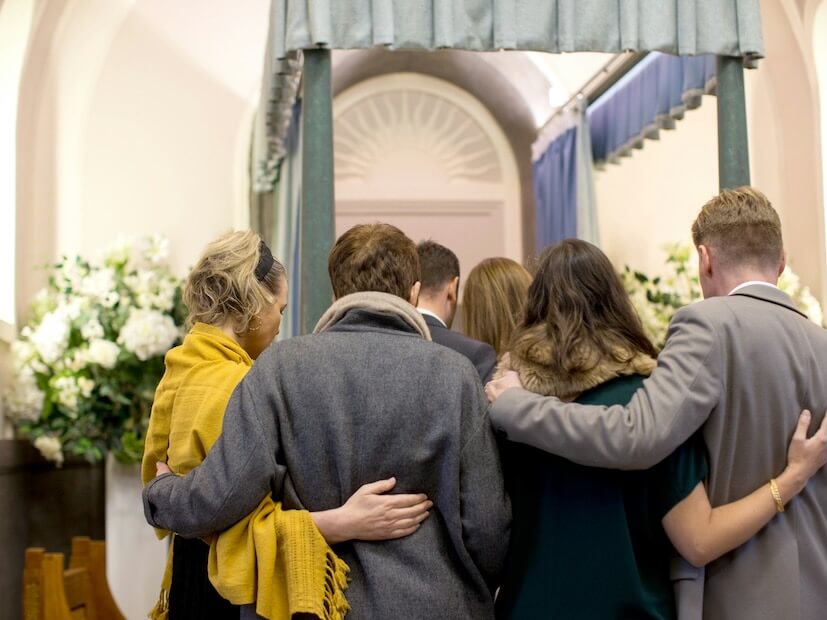
Grief counselors and bereavement specialists have long recognized that participation in funeral rituals plays an important role in the mourning process. When family members take an active role in planning, they often report feeling a greater sense of closure and connection to the person they have lost. Rather than feeling like passive bystanders, they become stewards of a final tribute. This engagement encourages storytelling, shared memory, and collaboration among family members who might otherwise be isolated in their individual grief. Choosing flowers, selecting readings, coordinating with a funeral home, and deciding on burial or cremation preferences are all acts that, taken together, create a ceremony that genuinely reflects the spirit of the deceased.
This is not simply anecdotal. Research from grief support organizations consistently points to the value of ritual in processing loss. The act of planning, even when emotionally taxing, gives the bereaved something constructive to focus on and a way to channel love into action.
Understanding Your Options for Burial and Cremation
One of the first major decisions families face is whether to choose burial or cremation, and both carry their own traditions, costs, and emotional significance. Burial remains a common choice for families who wish to have a dedicated physical place to visit and remember their loved one. Cremation, which has grown substantially in popularity over recent decades, offers flexibility in terms of memorial services and final resting places, from scattering ashes in a meaningful location to keeping them in an urn at home.
For families choosing burial, the selection of a casket is often a deeply personal decision. Far from being merely functional, a casket can reflect the personality, values, and life of the person being honored. Families today have access to a wide range of materials, styles, and price points. Exploring options for caskets in advance, rather than under the pressure of immediate need, allows families to make thoughtful choices that feel right for their situation without the stress of rushed decision-making.
The Growing Importance of Pre-Planning
Pre-planning a funeral is one of the most considerate gifts a person can give to their family. By documenting preferences for burial or cremation, selecting a funeral home, and even pre-purchasing arrangements, individuals spare their loved ones from having to make difficult choices during an emotionally fragile period. Pre-planning also allows people to communicate their wishes clearly, reducing the potential for family disagreements and ensuring that the final farewell reflects their own values and personality.
Financial planning is another compelling reason to consider pre-arrangement. Funeral costs have risen steadily over the years, and locking in prices in advance can protect families from future increases. According to the National Funeral Directors Association, consumer awareness around funeral planning and costs has grown significantly, reflecting a broader shift toward informed, empowered decision-making in end-of-life care. Pre-planning is no longer seen as a morbid exercise. It is increasingly recognized as a responsible and loving act.
Creating a Ceremony That Truly Reflects a Life
Modern funeral services have evolved far beyond the traditional template of a single format that fits all. Today, families have the freedom to design ceremonies that are as unique as the individuals they celebrate. A lifelong musician might be honored with a live performance of their favorite songs. An avid gardener could have their service held outdoors, surrounded by flowers they loved. A person with a sharp sense of humor might have their family share funny stories alongside more solemn reflections.
Personalization does not diminish the gravity of the occasion. In fact, it often deepens it. When a ceremony feels authentic to the person being remembered, attendees leave with a stronger sense of having truly said goodbye. Personalized eulogies, photo displays, video tributes, and symbolic gestures can all contribute to a service that feels less like a formality and more like a genuine celebration of a unique human life. Funeral directors are often experienced in helping families discover these personalization opportunities, and many welcome the conversation.
Supporting Grieving Family Members After the Service
The work of grief does not end when the funeral concludes. In the days and weeks that follow, family members may find themselves navigating a complex mix of emotions, from relief that the planning is over to a new and sometimes unexpected wave of loss. Building a support network in advance, whether through community organizations, religious institutions, or professional grief counselors, can make a significant difference in how families process their experience over time.
Children, in particular, benefit from age-appropriate conversations about death and from being included in rituals in ways that feel safe and manageable. Allowing young family members to participate, whether by placing flowers, writing a note, or simply attending the service, helps them understand that grief is a natural and shared human experience. Open communication within families, both before and after a loss, creates an environment where mourning can happen honestly and collectively.
Ultimately, funeral planning is not about logistics. It is about love. The care that families put into honoring a life well lived is itself a form of tribute, a final expression of everything that person meant to those they leave behind. By approaching the process with intention and openness, families can find not only comfort in the ceremony itself but also a deeper sense of connection to one another in the days and years that follow.
People also read this: Why Home Health Is One of the Most Resilient Career Paths Today