How Business Coaching Can Unlock Revenue – Top Entrepreneurs Podcast


Dr Bill Sodeman
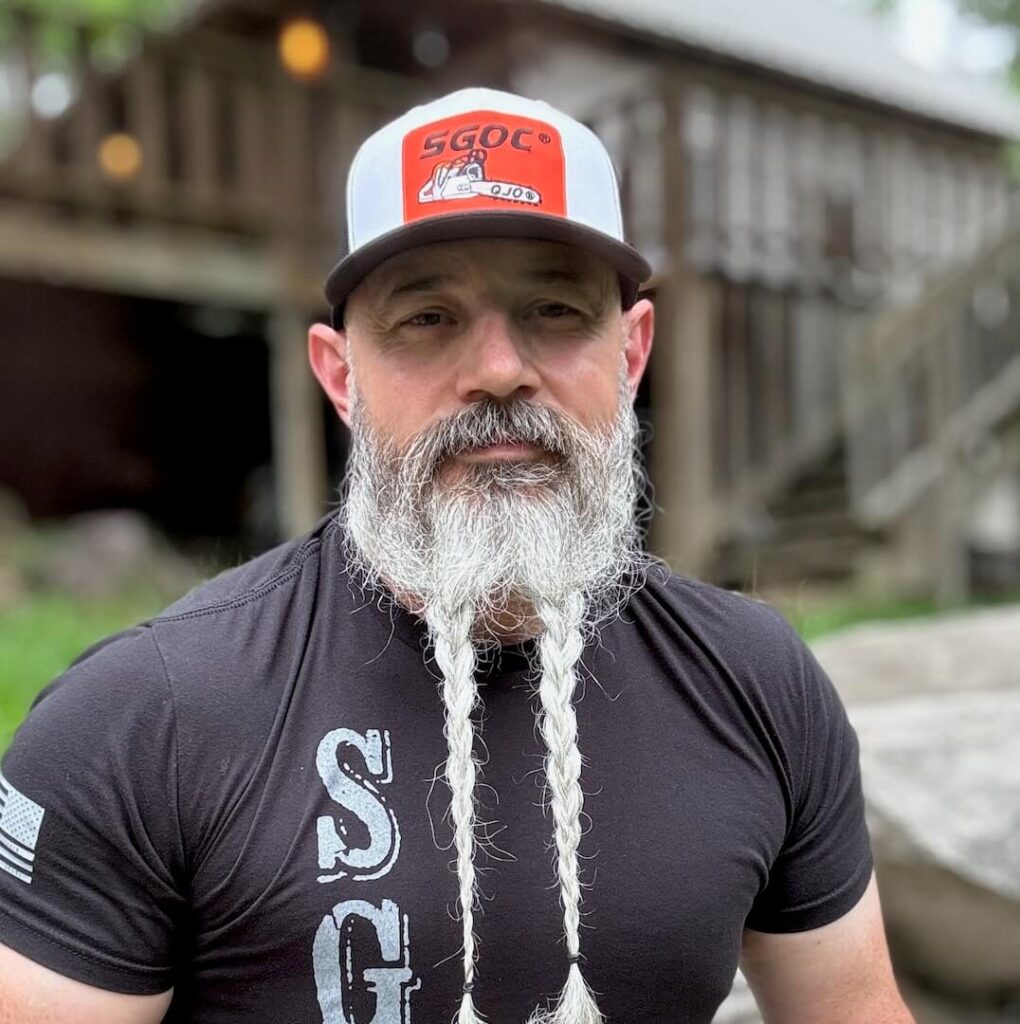
Dr. Bill Sodeman, the owner of n3ed.com and is a certified business and leadership coach joins Enterprise Radio.

This episode of Enterprise Radio is in association with the Coaching Channel.

Listen to host Eric Dye & guest Dr. Bill Sodeman discuss the following:

  1. What’s the difference between a mentor and a coach?
  2. Why do executives need a business coach?
  3. How can executives build effective practices that improve their value to the business?
  4. How long does a coaching engagement take to be effective?
  5. What’s the one thing that executives can do right now to improve their performance?

TIP: Many executives and managers spend too much time handling low-value work, from fighting fires to everyday tasks. Would pay your hourly rate for work that could be delegated? If not, that’s a clear sign you should spend less time in the technician or day-to-day employee role, dealing with past issues, and more time focusing on the present and future of your business.


With over three decades of dynamic leadership experience in startups, non-profits, and higher education, Bill has consistently demonstrated his ability to transform organizations. He has effectively led systems acquisition and implementation projects, orchestrated impactful leadership development programs, and designed extensive training initiatives that drive results and foster growth. Bill’s unwavering commitment to excellence makes him an invaluable asset to any organization seeking to thrive in today’s fast-paced environment.

Dr. Sodeman is a distinguished academic with a Ph.D. in Strategic Management and Information Systems from the University of Georgia, an MBA from Rollins College, and a BA in Studio Art from the College of William and Mary. With over 30 years of diverse experience in dotcoms, non-profits, and higher education, he has held significant leadership roles, including Chief Information Officer, Chief Learning Officer, and Faculty President. As a professor of management and information systems and a published author, Dr. Bill has critically examined contemporary issues such as the transformative impacts of artificial intelligence and big data on human resources management, the dynamics of corporate innovation, ESG investing, and the complex field of stadium naming rights agreements. His contributions to the field demonstrate a strong commitment to enhancing knowledge and practice in management and technology.

In early 2025, Bill took a bold step to achieve his lifelong dream by launching a Focal Point Business Coaching franchise in the Toledo, Ohio area. As a distinguished consultant and Focal Point Certified Business Coach, Bill not only advises business owners and executives but also empowers them to unlock their full potential and achieve exceptional results beyond their expectations. With a diverse skill set in leadership development, strategic planning and execution, continuous improvement, and emotional intelligence, he is uniquely positioned to transform your business. His expertise includes impactful coaching, mentoring, corporate training, and effective stakeholder management, making him the ideal partner in your journey to success.

Bill is not only a dedicated professional but also a passionate advocate for change, tirelessly working with pro bono clients at reputable non-profit organizations. As a board member of the International Veterinary Organization, he plays a vital role in fostering positive outcomes in the field. His commitment to health and fitness is evident through his daily exercise and active participation in running events, including ultramarathons and numerous marathons. Beyond his athletic pursuits, Bill embraces life with a spirit of adventure, traveling widely to broaden his experiences. His strong interest in urban architecture and photography reflects not only his artistic talent but also his desire to capture the beauty of diverse cultures and designs. With such a vibrant combination of professional dedication and personal passions, Bill embodies a unique blend of commitment and creativity that inspires those around him.

n3ed dot com LOGO

Website: https://n3ed.com

Social Media Links:
Linkedin: https://www.linkedin.com/in/billsodeman
Instagram: https://www.instagram.com/billsodeman


People also listened to this: First voice-powered AI assistant built for real estate contract execution


Source link

Leave a Reply

Subscribe to Our Newsletter

Get our latest articles delivered straight to your inbox. No spam, we promise.

Recent Reviews


Investing in a franchise using a ROBS rollover requires more than enthusiasm and ambition. You must possess a clear understanding of the franchise’s value before you commit your retirement funds. A proper valuation ensures you invest in a business that aligns with your financial goals and long-term success. When you take the time to evaluate a franchise correctly, you position yourself for smarter decisions and stronger returns.

At Pango Financial, we believe you should approach every investment with confidence and clarity. The DreamSpark® plan gives you the power to use your retirement funds without penalties or debt. However, you must evaluate your franchise opportunity carefully to maximize that advantage. Let’s break down exactly how to value a franchise for a ROBS rollover so that you can move forward with certainty.

Understand What Franchise Valuation Really Means

Franchise valuation measures the true worth of a business based on financial performance, brand strength, and future potential. You cannot rely on the franchise fee alone to determine value. A complete valuation considers revenue, expenses, assets, and market position. This approach gives you a realistic picture of what you gain from your investment.

You should also evaluate tangible and intangible factors. Equipment, inventory, and real estate represent tangible value. Brand recognition and operational systems represent intangible value. Together, these elements define the full worth of the franchise you’re inquiring about.

Analyze Financial Performance and Profitability

Financial performance is the foundation of any franchise valuation. You need to review income statements, balance sheets, and cash flow reports. These documents reveal how the business generates revenue and manages expenses. Strong, consistent profitability indicates a stable investment opportunity.

You should also examine financial trends over time. Look for steady growth rather than sudden spikes or declines. Predictable revenue streams reduce risk and improve confidence in your investment. A franchise with reliable financial performance offers a stronger foundation for your ROBS rollover.

Evaluate Initial Investment vs. Long-Term Return

Every franchise requires an upfront investment, but this cost does not tell the whole story. You must compare the initial investment to the expected return over time. This includes startup costs, ongoing fees, and operational expenses. A higher upfront cost may still deliver better long-term value if the returns justify it.

You should calculate your expected return on investment (ROI) based on realistic projections. Consider how long it will take to break even and generate profit. This analysis helps you determine whether the franchise aligns with your financial goals or if the risk is too significant. A smart investment balances cost with long-term growth potential.

A franchise building sits empty with no marketing or exterior signage at the end of a strip mall. It's gloomy outside.

Assess Brand Strength and Market Demand

Brand recognition plays a considerable role in franchise success. A well-established brand attracts customers more easily and reduces marketing challenges. You should research the franchise’s reputation, customer reviews, and industry standing. Strong brand equity often translates into higher revenue potential.

Market demand also influences value. You must evaluate whether the product or service meets a consistent need in your target area. A growing or stable market increases your chances of success. A franchise with strong demand and brand recognition offers a powerful advantage.

Review Franchise Disclosure Documents Carefully

The Franchise Disclosure Document (FDD) provides critical information about the business in question. You should review this document thoroughly before making any decisions. It includes details about fees, obligations, financial performance, and legal considerations. This information helps you understand the full scope of the investment.

Pay close attention to Item 19, which outlines financial performance representations. Not all franchises provide this data, but when available, it offers invaluable insight. You should also review franchisee turnover rates and litigation history. These factors reveal potential risks and long-term stability.

Compare Multiple Franchise Opportunities

You should never evaluate a single franchise in isolation. Comparing multiple opportunities helps you identify the best value for your investment. Look at differences in cost, support, brand strength, and profitability. This comparison gives you a broader perspective on what the market offers.

Moreover, you should also consider how each franchise aligns with your personal goals and experience. Some opportunities require more hands-on involvement, while others offer semi-absentee models. Choosing the right fit improves your chances of success. A well-informed comparison leads to better decision-making.

Factors That Influence Franchise Value

Several key factors determine how much a franchise is truly worth. Understanding these elements helps you evaluate opportunities more effectively. The following is a list of factors that can influence overall value:

  • Historical and projected revenue
  • Operating expenses and profit margins
  • Brand recognition and market presence
  • Initial investment and ongoing fees
  • Territory size and exclusivity
  • Training and support from the franchisor
  • Industry growth and competition

These factors work together to shape the overall value of a franchise. You should analyze each one carefully before making a commitment. A comprehensive evaluation reduces risk and increases confidence.

A pair of clear frame glasses sits on a blue folder that says "franchise agreement." There is a silver ink pen nearby.

The Role of ROBS in Franchise Funding

A ROBS rollover allows you to use retirement funds to invest in your business without penalties or early withdrawal fees. This strategy gives you access to capital without taking on debt or harming your credit. However, you must confirm your investment meets compliance requirements. Proper valuation plays a critical role in this process.

You should work with experienced professionals to structure your ROBS plan correctly. Not all ROBS 401(k) providers offer the same level of expertise or support. Choosing the right partner ensures your funding process runs smoothly and remains compliant. This step protects your investment and your financial future.

Take Action With Confidence Using the DreamSpark® Plan

You have the opportunity to take control of your financial future through business ownership. A ROBS rollover gives you the flexibility to invest in a franchise without unnecessary debt. However, you must act strategically and evaluate your options carefully. A strong valuation ensures you invest in a business with real potential.

Pango Financial is ready to help you move forward with confidence. Our DreamSpark® plan offers a cost-effective way to unlock your retirement funds and invest in your future. You can avoid interest payments, protect your credit, and position your business for success. Start your journey today by exploring our ROBS Compatibility Checker and take the first step toward owning your own franchise.


Source link