Maple Grove News Station

Subscribe to Our Newsletter

Get our latest articles delivered straight to your inbox. No spam, we promise.


Aaron Chapman
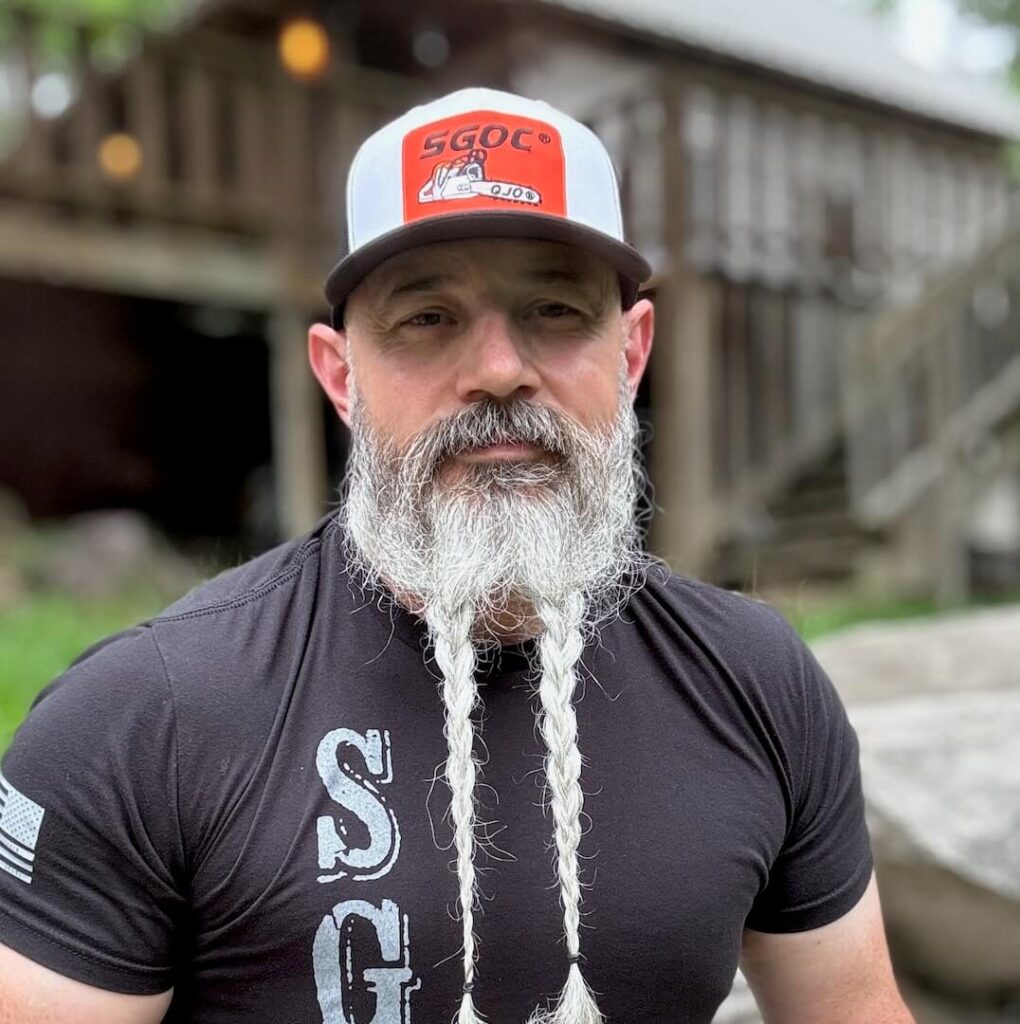
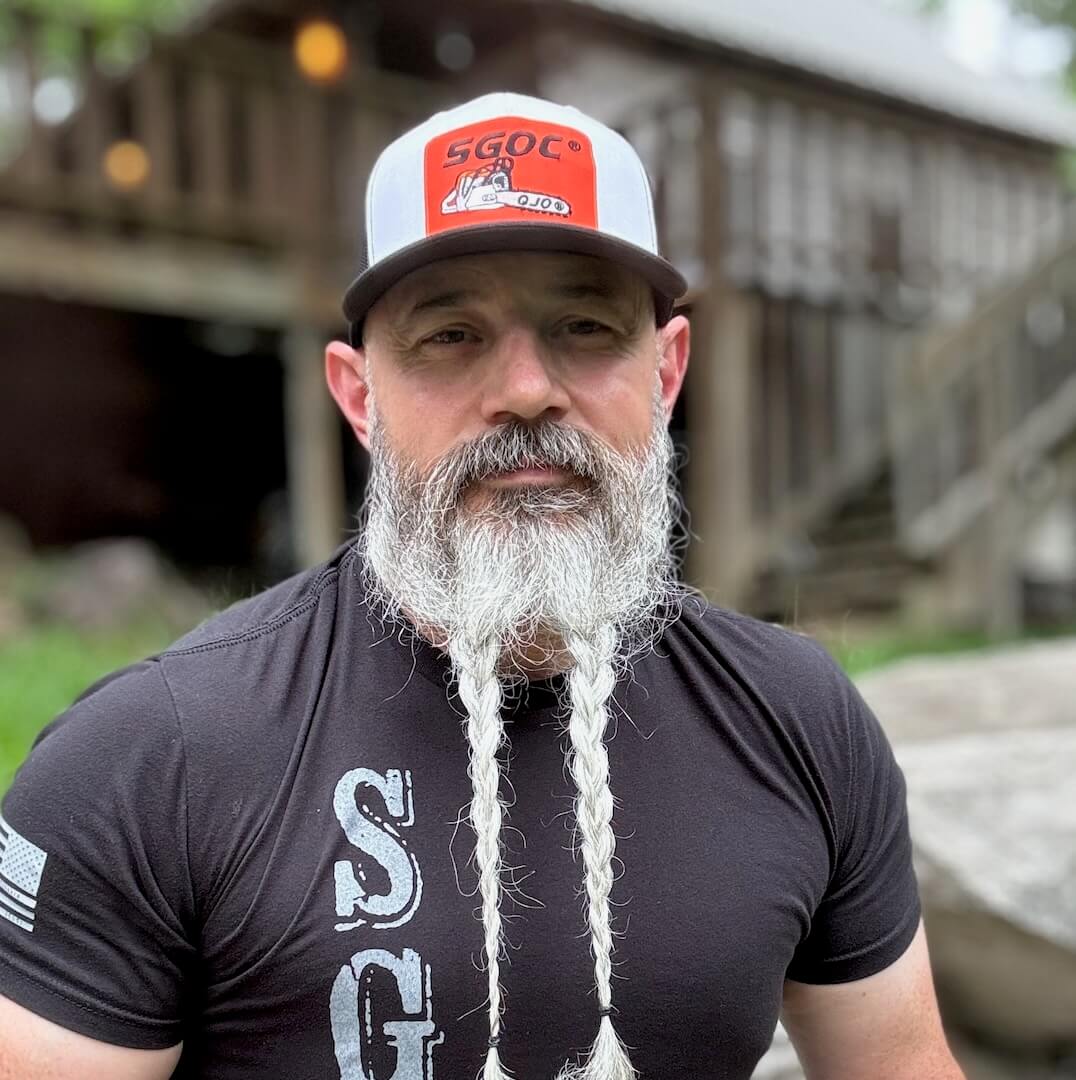
Aaron Chapman, an investment property finance leader whose team underwrites a huge percentage of all investor real estate mortgages in the United States, and author of the new book Redneckonomics: Unconventional Success by Takin’ the Beatin’ Path joins Enterprise Radio.

This episode of Enterprise Radio is in association with the Author Channel.

Listen to host Eric Dye & guest Aaron Chapman discuss the following:

  1. Your path into finance is one of the most unlikely origin stories in the industry — cattle ranching, oil fields, mining, long-haul trucking. Take us back to the beginning. How did a guy with that background end up becoming one of the most respected names in investment property lending?
  2. There’s a moment in the book where someone tells you that if you want to make it in this business, you need to wear the “corporate uniform.” You refused. Walk us through that decision — what was going through your head, and what happened to your business after that?
  3. You structured the entire book around the idea of taking beatings. Without sugarcoating it, what’s the single hardest beating you’ve taken in your career or your life, and what did it teach you that you couldn’t have learned any other way?
  4. You write that you struggle with the phrase “you deserve it” — that nothing is deserved, everything is earned. With that philosophy in mind, what are you most proud of? Not what looks most impressive on paper, but what cost you the most to build?
  5. You push back hard on how the world defines success — the social media version, the money version, the “must be nice” version. So how does Aaron Chapman define it? What does success actually feel like to you?
  6. The last chapter is called “When I Go to the Grave, I Am Comin’ in Hot.” When that day comes, what do you want to be able to say you accomplished — not just in business, but as a father, a husband, and a man of faith?

Aaron Chapman is a mortgage finance leader, entrepreneur, and sought-after speaker who went from working oil fields and driving long-haul trucks to becoming one of the most respected figures in investment property lending in the United States. A huge percentage of all investor real estate mortgages in the country are underwritten by him and his team. He has shared the stage with industry greats across the country, helping audiences rethink what it takes to build a business and a life through grit, authenticity, and relentless action. His new book is Redneckonomics: Unconventional Success by Takin’ the Beatin’ Path.
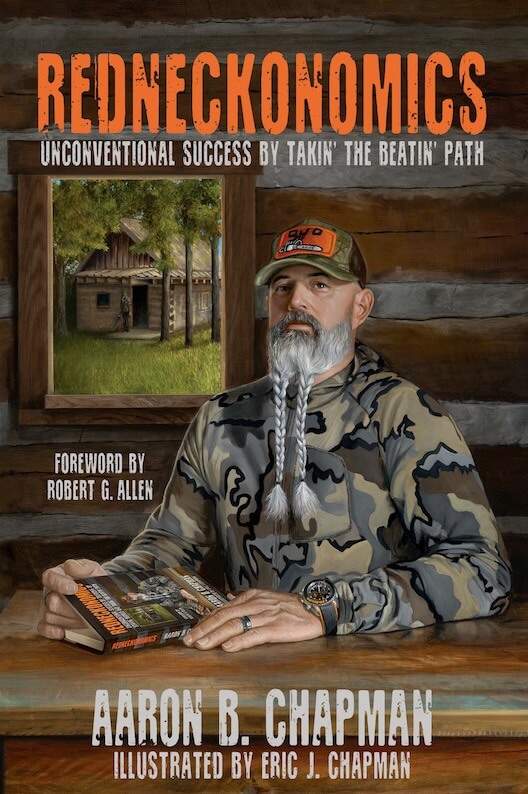
Redneckonomics Book Cover

Website: https://aaronchapman.com

Social Media Links:
Instagram: https://www.instagram.com/sgoc_aaron
Linkedin: https://www.linkedin.com/in/aaronbchapman

The views, ideas, thoughts, beliefs and opinions expressed within this article are that of the author’s and do not necessarily reflect the views, beliefs and or opinions of The Enterprise Podcast Network – EPN.


People also listened to this: How Victra Became Verizon’s Largest Retail Partner and a $3B Busines


Source link


Hair loss is often thought of as a cosmetic or medical issue, but for many women, it can also be closely tied to mental health, stress, and behavioral conditions. On a platform like The Treatment Specialist website, it’s important to recognize that physical symptoms—like hair thinning—can sometimes reflect deeper emotional or psychological struggles.

While losing 50–100 strands per day is normal, noticeable thinning or shedding can signal underlying concerns that go beyond hair health alone.

The Connection Between Stress, Addiction, and Hair Loss

Chronic stress is one of the most overlooked contributors to hair loss. Women dealing with:

may experience a condition called telogen effluvium, where stress disrupts the hair growth cycle and causes excessive shedding.

Substance use can also impact the body’s ability to absorb nutrients, further weakening hair follicles and slowing regrowth.

How to address it:

  • Treat underlying mental health or addiction concerns
  • Prioritize stress management (therapy, mindfulness, support groups)
  • Restore physical health through proper nutrition and sleep

Addressing the root cause—not just the symptom—is key.

Trichotillomania and Compulsive Behaviors

Hair loss can also stem from behavioral health conditions such as trichotillomania (compulsive hair-pulling disorder). This condition is often linked to:

  • Anxiety
  • OCD-related disorders
  • Emotional regulation challenges

Women struggling with trichotillomania may pull hair from the scalp, eyebrows, or other areas as a coping mechanism.

Treatment approach:

  • Cognitive Behavioral Therapy (CBT)
  • Habit reversal training
  • Addressing co-occurring mental health conditions

This is an important reminder that some forms of hair loss require psychological—not just medical—treatment.

Hormonal Imbalances and Recovery

Hormonal changes—especially during recovery from substance use—can also contribute to hair thinning. The body undergoes significant adjustment when substances are removed, which may temporarily affect:

  • Hair growth cycles
  • Nutrient absorption
  • Overall physical balance

Some women explore supportive options such as The Hairy Pill women’s hair loss treatment, which targets nutritional and hormonal factors associated with thinning hair. However, these approaches should be considered alongside a broader recovery and wellness plan.

Free Confidential Assessment

Nutritional Deficiencies in Recovery

Many women entering recovery experience deficiencies in:

  • Iron
  • Vitamin D
  • Zinc
  • Protein

These deficiencies can directly impact hair strength and growth.

How to support recovery:

  • Rebuild nutrition through balanced meals
  • Work with professionals to address deficiencies
  • Support overall physical healing

Improving internal health often leads to visible improvements externally—including hair.

Why a Whole-Person Approach Matters

Hair loss can be frustrating, but in many cases, it’s a signal—not the root issue.

For women navigating:

  • Addiction recovery
  • Mental health challenges
  • High stress environments

hair loss may be part of a larger picture.

That’s why treatment should focus on:

  • Mental health support
  • Physical recovery
  • Behavioral therapy when needed

When to Seek Help

You should consider professional support if you notice:

  • Sudden or excessive hair shedding
  • Bald patches or thinning areas
  • Compulsive hair-pulling behaviors
  • Hair loss alongside stress, anxiety, or substance use

Addressing both the emotional and physical aspects can lead to more sustainable healing.

Final Thoughts

Hair loss in women is not always just a cosmetic issue—it can be deeply connected to mental health, stress, and addiction. By identifying the underlying causes and taking a comprehensive approach to recovery, women can begin to restore not only their hair, but their overall well-being.


Source link

Recent Reviews